From restless.co.uk/health
If you or someone you know has recently been diagnosed with osteoporosis, it’s normal to have lots of questions. You might worry about how you can reduce your risk of breaking a bone, or feel unsure about what treatment option is right for you.
Being diagnosed with any long-term health condition can be daunting. But the good news is that, with the right approach, it’s entirely possible to live well with osteoporosis and limit its impact on your daily life.
1. Take time to understand your diagnosis
Being diagnosed with osteoporosis can be overwhelming. But taking time to understand your diagnosis and ask the right questions can ease your mind and help you manage the condition.
So firstly, what is osteoporosis and how is it diagnosed?
Osteoporosis is a condition where bones become weaker and break more easily. Many people don’t know they have osteoporosis until they break a bone (also known as a fracture) after a bump or fall.
If you’ve been diagnosed with osteoporosis, you’ll probably have had your bone density levels measured via a DXA scan (or DEXA scan). DXA scan results are usually combined with other information, including a fracture risk assessment, to determine how advanced your osteoporosis is.
The results of a DXA scan are reported as a ‘T-score’, which compares your bone density to the normal range found in healthy young adults.
- Normal (+1 to -1) – healthy bone density range for a young adult.
- Low bone density (-1 to -2.5) – bone density is slightly lower than the normal range of young adults and is classed as osteopenia. This score is expected in older adults.
- Osteoporosis (-2.5 and below) – bone density is much lower than the normal range for young adults and is classed as osteoporosis.
T-scores help to guide whether you’d benefit from medicine to help strengthen bones. That said, DXA scan results are unable to provide a complete picture of bone strength, which is why a full fracture risk assessment is important. The ROS has more information on DXA scans on their website.
2. Prepare for your next appointment
If you’ve been diagnosed with osteoporosis, you may have lots of questions. To make sure you get all the answers you’re looking for, it can be helpful to jot down questions as they come to mind and take them to your doctor. Otherwise, it can be easy to leave your appointment without asking everything you wanted to.
While there’s a lot of helpful information on the internet, the sheer amount can be overwhelming. In contrast, your doctor knows you, your history, and your current condition, so they’ll be able to make suggestions that are most beneficial for you.
The ROS has some recommendations about talking to your GP and telephone appointments on their website.
3. Explore treatment options
Osteoporosis treatments help to strengthen bones and reduce your risk of breaking a bone.
If you have osteoporosis and your risk of breaking a bone is significantly higher than normal, you may be recommended medicine to strengthen your bones. The ROS has more information about drug treatments for osteoporosis on their website, including how they work, potential side effects, and what options are available.
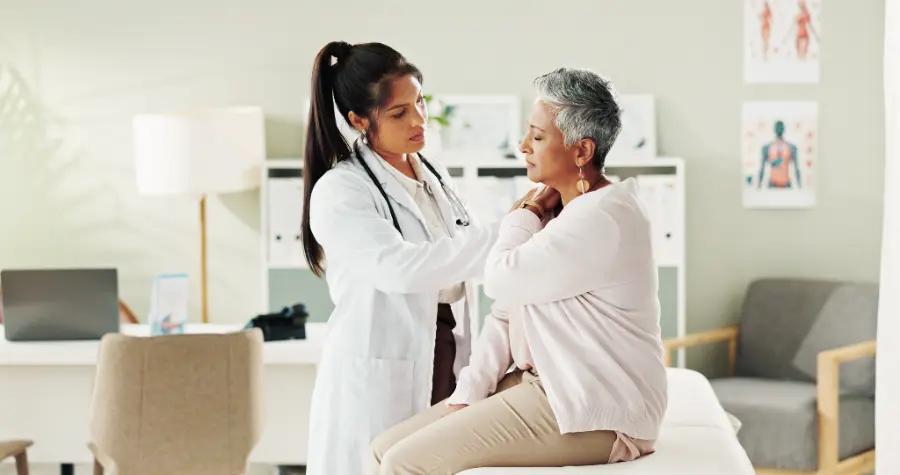
4. Seek medication support and guidance
According to the ROS, it’s common for people with osteoporosis to have questions and concerns about their medicines – including feeling confused over how medicines work and practical problems with taking them.
It was with this in mind that the ROS launched a new free online service, BoneMed Online. The service is designed to give people with osteoporosis information about their medicine when they need it most. Among other things, BoneMed Online provides information and guidance tailored to your medicine including…
- How to take your medicine
- Why you’ve been prescribed an osteoporosis medicine
- How to fit your medicine into your routine
- Possible side effects.
By completing a short survey, you’ll receive tailored information about your osteoporosis medicine, plus a series of supportive emails over the course of a year.
To learn more about BoneMed Online, including whether it’s right for you, head over to the ROS website.
5. Eat for bone health
Lifestyle changes can help manage the impact of osteoporosis and support your bone health. Health experts generally recommend eating a balanced diet rich in whole foods.
There are also certain vitamins, minerals, and food groups which research shows are particularly helpful for supporting healthy bone function, including calcium and vitamin D.
The ROS has more information about how to eat for bone health on their website.
6. Add strength and weight-bearing exercises to your routine
Bones are made of living tissue, which means they get stronger the more we use them.
When it comes to staying active with osteoporosis, the ROS recommends certain forms of exercise, such as strength training and weight-bearing exercises. However, it’s important to talk to your GP before starting any new activity to find out what exercises – and at what level of difficulty – are right for you.
Weight-bearing exercise is anything that involves being on your feet and adding extra force or a controlled jolt through your bones. This can be low, moderate, or high impact – from stair climbing and jogging to star jumps.
Meanwhile, strength training involves moving muscles against a resistance to make them stronger. For example, using weights, a resistance band, or your bodyweight.
To learn more, have a read of our article: Staying active with osteoporosis – 6 simple exercises to strengthen bones.
7. Maintain a healthy weight
Maintaining a healthy weight through a balanced diet and regular exercise is important for bone health.
On the one hand, being overweight or obese places excess pressure on bones, increasing their susceptibility to fractures, while studies have noted that being underweight is a risk factor for reduced bone density in postmenopausal women.
For more information, you might find our article, 7 ways to live well with osteoporosis, useful.
8. Take steps to reduce your risk of falls
Osteoporosis weakens bones, making them more susceptible to breaks from falls and bumps. According to NICE, osteoporosis leads to around 180,000 bone fractures a year in England and Wales.
So, one of the most important things you can do after being diagnosed with osteoporosis is to reduce your fall risk. Building bone and muscle strength through diet and exercise is important, but there are several other things you can do.
The ROS says simple things, like tweaking everyday movements to make them safer and adapting your surroundings, can make all the difference. For example, getting out of bed slowly, avoiding standing chairs to reach into cupboards, and keeping walkways free of clutter.
Footwear choices can play a role in reducing the risk of falls, too. Generally speaking, it’s best to avoid loose, backless, high-heeled shoes, instead choosing those with good support and a patterned tread for better grip.
If you’re unsteady on your feet and worried about falling, you might like to consider investing in hip protector pants. These are designed to cushion the impact if you do fall.
9. Reach out for support
Beyond physical changes, being diagnosed with a long-term health condition like osteoporosis can have an emotional impact. So, building a support network and being able to rely on others to listen to you, help you stick to lifestyle changes, and recognise signs that you’re struggling, can be key.
Examples of support networks include family, friends, and peer support groups. Many people find particular value in connecting with others who have shared experiences.
Final thoughts…
Being diagnosed with osteoporosis can be daunting. It’s normal to feel overwhelmed or worried about what the future might look like, but the good news is that, with the right approach, treatment, and support, it’s entirely possible to live well with osteoporosis.

No comments:
Post a Comment