From arthritis.org
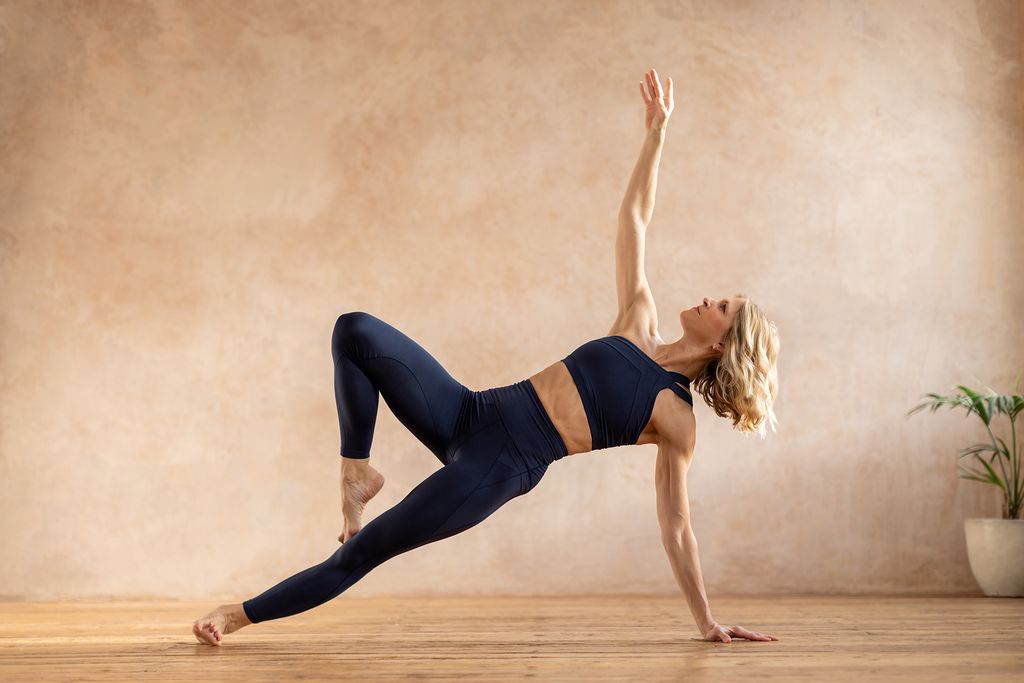
When it’s too cold or hot outside or you’re just too achy and tired to get out of the house, it’s still important to get moving for your joints and your well-being. After all, the more you move, the better you’ll feel physically and mentally. In this podcast, we’ll explore ways to get motivated to keep moving when you’re homebound — or just not up to getting out for your usual routine — whether it’s tuning into a virtual class or just putting on some music and dancing in your PJs.
Show Notes
Ugh. It’s one of those days when you just don’t feel like getting out of bed — much less going out for your walk. But your brain — and your body — are insisting that you’ll feel much better physically and mentally if you do. And you know they’re right.
That’s OK. You can stay home — in your PJs if you want — and still get your body moving enough to loosen up your joints, ease the pain and reset your state of mind. Learn how from a pro in this episode.
PODCAST OPEN: Thank you for tuning in to the Live Yes! With Arthritis podcast, produced as a public service by the Arthritis Foundation. You may have arthritis, but arthritis doesn’t have you. Here, you’ll get information, insights and tips you can trust — featuring volunteer hosts and guest experts who live with arthritis every day and have experience with the challenges it can bring. Their unique perspectives may help you — wherever you are in your arthritis journey. The Arthritis Foundation is committed to helping you live your best life through our wide-ranging programs, resources and services. Our podcast is made possible in part by the generous financial contributions of people like you. Now let’s listen in. (MUSIC BRIDGE)
Julie Eller Olson: Welcome back to the Live Yes With Arthritis podcast. Today, we're talking about one of my favourite subjects, that motion is lotion when it comes to arthritis. But of course, we all have times when we just can't or don't want to leave home. So, maybe you're tired or achy, maybe you're sick, maybe the weather is just awful. And that's what we're here to talk about: how to stay active on those days when you just don't have the juice to get out of your house, but you do want to keep your body moving.
My name is Julie Eller Olson. I am so glad to be back with the Live Yes With Arthritis podcast and the Arthritis Foundation. I grew up with juvenile idiopathic arthritis and have been living with arthritis for the better part of three decades now. And I had the pleasure of working at the Arthritis Foundation for six years, hosting this podcast just as we got kicked off. So, so, so glad to be back as a guest host today with one of my very favourite volunteers at the Arthritis Foundation. Cindy Senk is joining us. And Cindy, I would love if you could give an introduction to yourself and share a little bit about your experience.
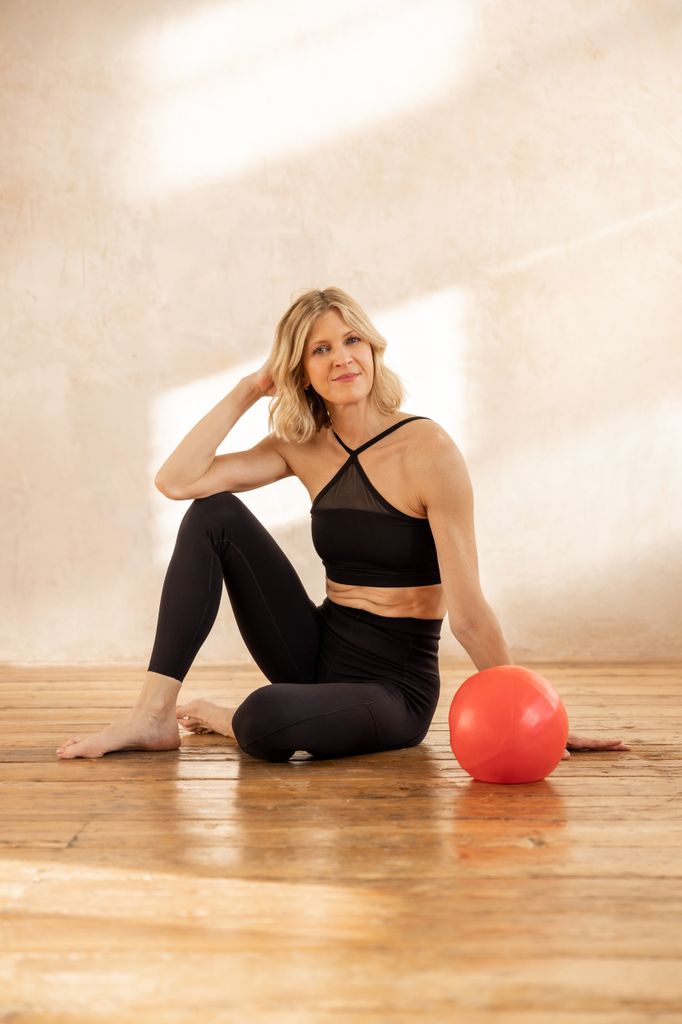
Cindy Senk: Sure. Well, it's so great to see you again, Julie. Always so nice to get to say hi and to talk about one of my passions, which is my work in fitness and wellness. So, my name is Cindy Senk. I'm a 72-year-old granny. I've been working in the fitness and wellness field for over 40 years. I'm a small business owner, college professor in exercise science, and, as Julie said, a 25-year volunteer with the Arthritis Foundation. So, I've been connected for many years as well. And continue to be a volunteer through the Walks and through all the different events, as well as teaching the Arthritis Foundation classes in the pool, as well as on land-based. So, yeah.
Julie Eller Olson: I absolutely loved getting to meet Cindy for the first time. I remember I was not feeling very well. I was flaring at the time and feeling very unmotivated. And we sat and just chatted at a conference. You shared with me some videos of chair yoga and different, kind of virtual opportunities that you have put together and put out into the world. I'm so grateful to have an opportunity to help promote so much of the work that you do, to make it easy for folks to get moving wherever they are. I think it's such an important passion. And it sounds like you've always kind of had this passion.
Cindy Senk: Well, I think it was kind of in my DNA because (laughs) my dad was a semi-professional athlete, so we were always busy and moving. But my brother Bobby, who passed away in 2010, had cerebral palsy. I grew up with Bobby, who was a fabulous person and learned kind of, as a young child, how to help him navigate, you know, get around the neighbourhood in wagons and all these things that we would do. And so, he was always part of the group. He wasn't ever excluded, you know? And I think that kind of set the tone. And also my mom was very much of an advocate for him as well, and we just figured out ways to include him. Then my mom got sick at a young age. She passed when she was young, and she had a lot of health issues with blood pressure and all. I grew up in an environment of wanting to do things with people but also learning about accommodations, options, choices — you know, not in a judgmental way, but in an inclusive way. And then when I was 18 or 19 — that was a while ago, Julie (laughter) — they diagnosed me with… There was scoliosis. And then about five, six years after that was the first arthritis, osteoarthritis, in my back primarily.
As I started in dealing with that, I really started getting into that at Springfield College, but then also getting certified as a Group X instructor, water fitness, personal training, all of that. So, I was lucky. I think I really feel like I was on this path, really, since I was a young child. And still at 72, doing what I do and love it. I have a lot of my friends are like, "You should take a break. You should relax." I'm like, "No, I have things to do." (laughter) I have things to say. So yeah, I'm just very fortunate to be in this position I'm in, to be of service, is really what I feel my intention is.
Julie Eller Olson: Oh, Cindy, that's so beautiful. And I think it's so hard to take some of the milestones that you have talked through, having a brother with cerebral palsy, a mom who gets sick too young, and even an early diagnosis of osteoarthritis for yourself, to hear you say at the end of the day that you feel fortunate and service-oriented and have found a way to drive it with purpose and motion… That just is a really inspiring sentiment. For folks who are just meeting you for the first time today on our podcast, maybe they're struggling to get started with a fitness regimen and they're dealing with chronic pain, they're dealing with fatigue: What advice do you have for folks who are just thinking about it, but not quite sure how to get started?
Cindy Senk: Maybe you're having a day that you're not feeling great. That happens a lot, as we know, with arthritis. So, maybe instead of taking a walk or doing something that's more vigorous, maybe some simple breathing, maybe some simple stretches. To start out, I always say it's better to do too little than to overdo, and the next day or later in the day you just don't feel as well. I think the energy and the power of the person to make those choices for themselves is paramount. Personally, I find, and a lot of my clients that I work with find, some simple, just gentle movement, gentle breathing, and listen to your own instincts as to how you feel, right?
Sometimes, when you're breathing and you start to do some gentle movement, you're like, yeah, I start to feel better, because your energy rises, right? It's going to give you the energy. You're going to feel better, right? You're your best teacher. I always say that to people. It's a matter of making those choices and seeing how you feel and all of that. I just want to start with that, Julie, because I think sometimes people think, well, the doctor knows best, or the teacher knows best. No, I don't believe that. I really believe the person is the one who, yes, given that knowledge and absorbing what's going to help them, I think that empowerment is key.
Julie Eller Olson: I think that's so important… is to really think through how you are the expert in your body. And when you're trying to get started with movement, listening to your instincts is really important. It can be really hard, I know for me at least. I live in Massachusetts. I am almost eight months pregnant. I am cold and I don't want to go outside in the winter weather. And sometimes you feel a little bit afraid to get started with motion. How do you elevate from that gentle movement and breathwork to maybe something a little bit more?
Cindy Senk: I think the second main point I want to talk about is finding teachers or professionals, like personal trainers or teachers that speak to you, that you relate to. Somebody that you trust. Or an organization like the Arthritis Foundation putting out videos or options for classes or whatever. You know those people are vetted, you know that they have knowledge and information. Starting, again, with your own connection to the teacher, that's really important. But I also think a big piece of that is also their credentials, their experience with people with arthritis. What are their certifications? What are their degrees in? Do they have other certifications or credentials, like yoga for arthritis or the arthritis exercise program or whatever it is.
There are different certifying organizations that will have like directories of people's names, right? I'll use Yoga Alliance for an example. And there are a lot of fitness organizations that do that personal training, like American College of Sports Medicine. And I also just want to mention that I think it's really important if, before you jump into someone's class or train with them, to have some kind of consultation time, whether it's on Zoom, whether it's in person, and, in my opinion, it shouldn't be charged. I think a consultation should be free, because it's a get-to-know-you. Anybody who's really wanting to be of service and help people, they're going to take the time to speak with you.
Julie Eller Olson: And I think, Cindy, we live in such an information-rich time, with so many people that you can find on Instagram, on social media, on whatever. It can be really easy to get equal parts bogged down by all of the people that you're seeing move so much more freely than you are on the internet. To have some meaningful guidance on, OK, look for organizations I trust. Use them as the conduit, as a referral. Talk to friends, especially friends online, and maybe even have a consultation where you're talking with the person about your goals, which also gives you an opportunity to think about what those might be before you hop on the phone with them. So that you can move with intention. It just sounds really helpful to think through. It also sounds like maybe that's something, you know: I'm thinking about a consultation, whether that's in person or online.
Cindy Senk: Yeah.
PROMO: Arthritis Foundation Connect Groups provide a safe space for people to share their experiences with different forms of arthritis. These virtual and in-person support groups foster connections based on shared interests — allowing participants to support one another in the challenges they face while enhancing their sense of community and understanding. Find your group at connectgroups.arthritis.org.
Julie Eller Olson: Our focus today is really how we do this well at home. I wonder if you can talk about some of the benefits to doing workouts at home, some of the drawbacks and how we can navigate those things, especially in these cold months as we try to get moving.
Cindy Senk: I'm in Massachusetts, too, so I get the cold. Believe me, I definitely get that. Yes, I think to have a space that you can work from, right? Whether it's a little area in your home or something, so the dogs and the kids aren't jumping on you when you're trying to maybe work out. I mean, I'm fortunate here that I have this room that I teach from but finding a little space. I would think about what types of movement speak to you. A lack of equipment can be a challenge, but you don't need a lot of it. So, that's the first thing I always say to people is: You don't have to go buy all this stuff. You don't know what's going to work for you.
I also think that there are some nice things about working online or working at home… is that it's your space. It's your time. But the other piece of working from home or doing classes, for example, virtually, can be… Sometimes, it can be a little lonely, right? But if you're in a group that you start to get to know people, so they're not feeling isolated in their home.
Julie Eller Olson: And it gives you an opportunity to get the best of both worlds if you're doing a live stream class of… oh, I'm joining this workout class, there are people, I see the community and maybe get the opportunity to meet others, but also can do so from the privacy of my home, the ease of my routine. When we first started talking, I really hadn't thought about live streams as a modality for at-home workouts. More so, I think about pre-recorded stuff that I throw on YouTube and I do simultaneously. My husband loves the Peloton. Like there are little things like that that I think of. Can you talk a little bit about maybe the drawback is fewer aspects of community to those recorded videos, but what are some of the pros?
Cindy Senk: Yeah, again, I think they can be really helpful because people can pick and choose when they want to do them, right? If they're available. The more choices people have, the better options there are, the more you're going to be apt to do something, right? Because you have a toolbox, right? A toolbox of things.
Julie Eller Olson: Yeah. Even just the ability to pause for a moment in the middle of a class and catch your breath, and say, "OK, well, maybe I couldn't do a full 30, but I could do 15." I know we talked about different equipment that you might need or all the stuff as you're getting started. I just lately myself have a resistance band that I keep near my desk. When I have an opportunity, if I'm getting up to fill my water bottle, oh, there's my resistance band. Maybe I'll do 10 squats while I fill up the jug or whatever it might be. But it's not a class, and it doesn't have an instructor. It's just that kind of thing that says let's maybe move a little bit more than I was before.
Cindy Senk: Yeah. My friend Diana has an alarm on her watch. It'll go off every hour. She's more sedentary now that she says she's retired, and it'll go, “Stand up or something…” And she's like… I was with her the other day, and all of a sudden the thing went off, and she was automatically… It made me laugh, but it was good, you know?
Julie Eller Olson: I love that.
Cindy Senk: We need those reminders. So, you're right. Absolutely right, Julie. Squats, you know, movement, just some stretches like we talked about earlier, different things that people can do throughout the day. I do the arthritis hand exercises all the time because I find my thumbs are hurting quite a bit now more than they used to. And I do those a lot. I'm a big squat person. I'll do gentle twists in the chair or standing, some yoga-based kind of things. Before I get up in the morning, I have my own little bed yoga routine that I put together. I do have a YouTube channel that's free.
Julie Eller Olson: I think that's awesome, Cindy. Yeah. And I think we can consider this for some of our listeners, their virtual consultation with you for now. Go check out Cindy's YouTube channel. I liked when you talked about your friend who has the watch that helps hold them accountable. Can you talk about some of the things that we can do when we're setting a goal for ourselves to get moving. Like, what does it look like to hold yourself accountable, to find friends who can help you hold yourself accountable? How does that work?
Cindy Senk: Yeah. So, that can be right there, a simple hearing something that reminds her to get up, I think, is really helpful. But accountability overall, trying to think about maybe if you don't have the watch or whatever, like every hour or whatever it may be, like you said, you get your water bottle, you do whatever, just moving around, maybe walking around your house a little bit. Things like that can be really beneficial because, as we started talking about, motion is lotion, and the more we move, the better off we're going to feel, the more energy we're going to have. So, those kind of things. Also, friends can be really helpful, as we talked about, our community of people that either online or friends you can call or even text.
I think that accountability is really important to get, just to check in. And again, not in a judgmental way. Last year, I had extreme pain from herniated and bulging discs in my neck. I really understood why people kind of go down the rabbit hole of pain, you know, like even me who, I'm always about movement and all that. I had to force myself to get up, to do some gentle yoga, to move, to breathe, you know. To find things gently that I could do starting again, little, little, and then it adds up more and more. I had to go back to, OK, what can you do? Take a breath, do what you can, and then back up to almost 90% here, movement with no pain at all. And that was a year ago, where I couldn't even move my head. I think again, it goes to that permission, that the idea of, yeah, you need to take a beat, you need to figure something else out and be accountable to yourself.
Julie Eller Olson: Well, I think that's really important to hear, Cindy. I'm so sorry that you had that experience again, but I think it's helpful to hear, especially when exercise instructors who it can feel like have every tool in their toolkit, who know what they're doing, have a great mentality. When you've been to the other side of that and know what it feels like when it's really difficult to even think about getting through your regular old day. What does it look like to get from morning to night without being in a state of excruciating pain.
Cindy Senk: Yes.
Julie Eller Olson: I often feel like beat down by the fact that my body isn't cooperating with my mind already, and why would I push myself harder when it's already hard enough to make breakfast and go to work and be kind to the people around me, which can be difficult when you are in pain. So, to think about really coming to the other side of it and deciding to give yourself credit for the things you can do, even if it is just a little turn of your head and not the full rotation.
Cindy Senk: Yeah.
PROMO: The Arthritis Foundation’s Ease of Use program evaluates products and packaging to ensure they’re accessible for individuals with arthritis. This helps consumers identify tools and items that are easier to handle, promoting greater independence and quality of life. By advocating for user-friendly designs, the program benefits not only those with arthritis but also just about anyone. See what we’ve certified at arthritis.org/easeofuse.
Julie Eller Olson: In preparation for today's podcast, the Arthritis Foundation put out a question to followers on social media: What was their go-to way to stay active at home with arthritis? And so, we're just going to read a few of their responses and get your thoughts and feedback. We heard from Christine Campbell that she loves walking, and she tries to aim for an extra 4,000 steps a day. She says it's not always possible if her pain is challenging, but she knows that movement is key. And it's just short bursts throughout the day that every step counts.
Cindy Senk: Yes. When you look at the guidelines for fitness, you think, “Thirty minutes, five days a week, I can’t do that.” But you could maybe do five minutes at a time, right? Chunk it up, little bits at a time, like we talked about, that's perfect. And then all of a sudden, you have 30 minutes, that's great. I love that. That's perfect.
Julie Eller Olson: I do, too. And I know we talked a little bit about wearable technology earlier, but also almost every smartphone has a pedometer on it. We also heard from a few others. From Jorgensen Law, we heard that mini movement breaks throughout the day. They also ended with, “Every little step counts.”
Cindy Senk: There you go.
Julie Eller Olson: And this is good, too. Pamela Shutt says getting up and walking around and stretching during commercial breaks is one way that they get their movement in. “Doing chores, in between movies. I actually get more done by pacing myself, and then I reach my step goal, instead of trying to get it all done at once. And I’m not in pain or overtired at the end of the day when I pace myself throughout,” which, it goes directly to the point that you were making before, Cindy.
Cindy Senk: Good, these people are very good. (laughs)
Julie Eller Olson: We've got some movers, yeah. Dar True says that they use the rowing machine, they like to walk and garden. And they like to dance at their garden, which I think is great. I think the more joyful your movement can be, the more likely you are to keep going. And they say that on the days when they are truly feeling bad, they do bed or chair stretches as exercise. They just try to keep moving. And I know you said that a few times, some bed yoga before you get up in the morning. How do you get started with something like that, Cindy?
Cindy Senk: There is a quick, about an eight-minute video, it's on my list of things that… people were asking me about that, like, "What do you do?" But when I wake up, I'm always… My back’s stiff, my shoulder, whatever. So, I do a little bit of, you know, bed yoga, and that helps me to feel less stiff. I'm glad someone mentioned music because that can be really beneficial. I have a good friend who has a chronic condition, and it's very challenging for her to walk some days. But she'll sit in her chair, and she'll like conduct her sides or move around and do all these things, and it helps her energy elevate. She starts to feel better. She warms up the body.
Julie Eller Olson: I love it, too. I think that's excellent. I think the more we can do to fuel our bodies, the more we do to fuel our brains and to that point about music, it's really… that can be the differentiator from being down in the dumps and really just feeling silly and goofy and ready for life, which I think is great.
Cindy Senk: Yes. Yeah. Changes your brain, right?
Julie Eller Olson: Yeah. It's a glimmer of hope and light. When you're thinking about when you're really in a dark place, taking that control and finding some ways to move and be happy in your body. Or one with your body, especially when your body is misbehaving, as I like to call it, when my body is flaring. (laughs)
Cindy Senk: Yes.
PROMO: When you volunteer for the Arthritis Foundation, you’re making a meaningful impact on the lives of those affected by arthritis. Volunteering provides opportunities to connect with a passionate community, gain valuable experience and develop new skills. Volunteers contribute to raising awareness, supporting events and enhancing resources for patients and families. Find what’s right for you at arthritis.org/volunteer.
Julie Eller Olson: Cindy, it's been so wonderful to talk with you today, and I know that our audience is so thankful for all of your wisdom. As we think about closing out, I just wanted to get your top takeaways from today's discussion, the things you really want to make sure listeners go home with and think about.
Cindy Senk: OK. So, the first thing I want to say is, again, step into your power, right? Acknowledge that you know your body best, right? You know how you feel and make the choices from there. So, I think that's number one. The second thing again is: Any movement is better than no movement, right? Like we said, little bits of things all can add up, and there's not a certain end result, right? You do what you can each day and breathing and moving and all of that. You might think it's a little thing, but it's not. It's a big thing, you know? And then the third thing is the positivity, not only empowering yourself, but staying as positive as you can. Negative self-talk I think can be really challenging and it can get you down that rabbit hole a bit.
But if you can say, "Yeah, my neck is bothering me today, but I'm going to move a little bit at a time. I'm going to loosen it up." That's going to kind of build up more energy and positivity. So, those are kind of the three things I want people to hopefully find some of it helpful for them.
Julie Eller Olson: Definitely. I think those are excellent take-homes, and they're very similar to what I've been thinking about throughout our conversation. And the ones that come to mind for me are pacing yourself and giving yourself credit for that pacing throughout the day. I think in a previous episode of this podcast, we talked about those being exercise snacks. Like you don't need the full meal. You can just get a snack and have your 10 squats while you're filling up your water bottle. Some gentle walking around your kitchen while the commercials are playing, but those things really can make a difference in the totality of your movement for the day. You deserve credit for unloading that dishwasher or flipping your laundry and so on.
Another part I think is: I just have been so grateful to have the opportunity to talk to you, especially about the different forms. Like you don't have to be doing this on your own. You can find community, even if you're at home when you're doing your movement. Check out those live-streaming classes in particular, and that the resources that are available to you through your fitness instructor should be ones that you've really chosen and consented to. Your instructor should be a reflection of your goals and someone who understands where you're at. I loved hearing your perspective on how to find someone who's a good fit for you.
And my last key takeaway is just… I just am so impressed every time I talk with you, Cindy, about your service-oriented heart and how much that has informed how you have moved through your life and how you've stayed well throughout your life. I think that's a really special way to approach the world. And so, thank you for being you. I'm sure you've inspired a few folks today. So, thanks so much for joining us.
Cindy Senk: I try. (laughs)
Julie Eller Olson: It's been so great to catch up.
Cindy Senk: Yes, thank you so much.
Julie Eller Olson: If this conversation inspired you, and you're interested in getting moving, the Arthritis Foundation has some amazing resources available on their website. And one resource is the Movement Matters Connect Group, which is a virtual Connect Group that meets on a monthly basis and has different modalities of exercise and is led by Cindy and others in the industry to provide arthritis-friendly exercises built for people moving from home, and which has a really strong community of individuals just like you who are getting started and really understand this journey. So, check out arthritis.org for more information, and we hope to see you there sometime. Thanks for joining us on this episode of the Live Yes With Arthritis podcast, everybody. Have a great day.
PODCAST CLOSE: Thank you for listening to the Live Yes! With Arthritis podcast, produced as a public service by the Arthritis Foundation. Get show notes and other episode details at arthritis.org/podcast. Review, rate and recommend us wherever you get your podcasts, on Apple, Spotify and other platforms. This podcast and other life-changing Arthritis Foundation programs, resources and services are made possible in part by generous donors like you. Consider making a gift to support our work at arthritis.org/donate. We appreciate you listening. And please join us again!
https://www.arthritis.org/liveyes/podcast/episodes/easy-home-joint-movement-147