Showing posts with label osteoporosis. Show all posts

Monday, 13 April 2026

Staying active with osteoporosis – 6 simple exercises to strengthen bones

From restless.co.uk

According to NICE, osteoporosis is responsible for around 180,000 bone fractures every year in England and Wales. So, if you’ve been diagnosed, it’s natural to feel worried about exercising.

However, research shows that staying active and doing the right types of exercise is key to living well with osteoporosis and, if done correctly, may reduce your risk of falls and fractures.

Why is exercise important for bone health?
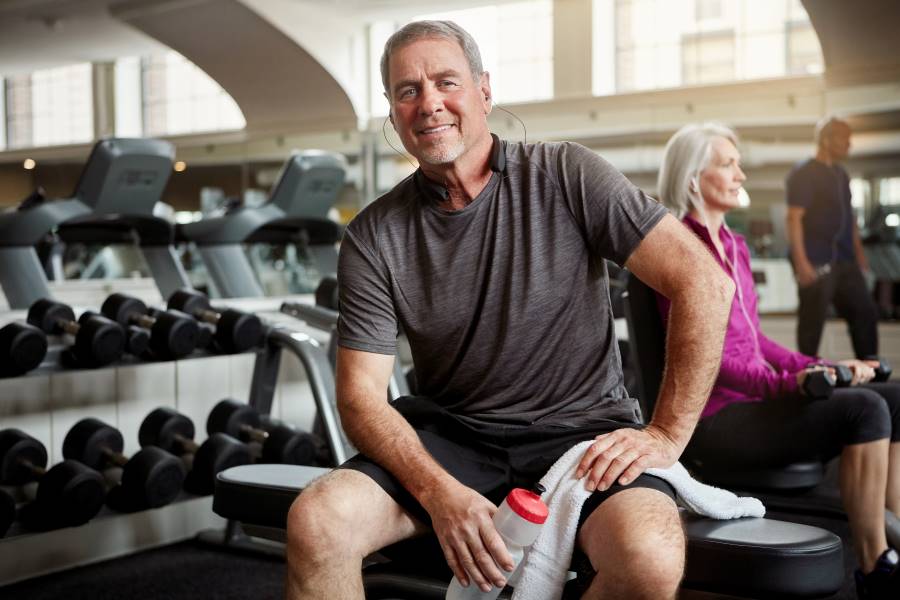
Why is exercise important for bone health?

Bones are made of living tissue, so they get stronger the more we use them. Staying active helps keep our muscles and bones strong as we age, which can reduce our risk of fractures.

Meanwhile, staying active has been shown to strengthen bones and slow the rate of bone loss. Plus, since most bone fractures are caused by falls, taking time to improve your balance and build muscle strength can make all the difference.

What type of exercise is best for bone health?

The NHS advises adults to do 150 minutes of moderate-intensity exercise every week. This can include anything from dancing and power walking to gentle cycling and water aerobics.

However, when staying active with osteoporosis, certain forms of exercise have been found to be particularly beneficial. Specifically, the ROS says the best way to keep bones strong is to include a combination of strength training and weight-bearing exercises in your routine. We’ll explore these below.

Weight-bearing exercise for osteoporosis

Weight-bearing exercise is any type of exercise that involves being on your feet and adding an extra force or controlled jolt through your bones. Weight-bearing exercise can generally be categorised by three levels of impact – low, moderate, and high.

Examples of low-impact activities include walking and stair climbing. Jogging and running are considered moderate-impact. And star jumps, basketball, and track events are high-impact.

According to the ROS, higher-impact exercise is better for your bones. Moderate impact is considered sufficient for bone health and generally for those with osteoporosis, though there are a few exceptions. For example, if you’ve previously suffered from spinal fractures, broken several bones, or have a medical condition like painful arthritis in the knees, lower-impact exercise may be more suitable.

Some people find they’re able to build up to moderate-impact exercise over time. It’s a good idea to talk to your healthcare team before starting a new exercise programme, to ensure it’s right for you.

The ROS has further information on doing impact exercise with osteoporosis on their website, including how often you should do it.

Strength training for osteoporosis

Strength training involves moving your muscles against resistance to make them stronger. You can add resistance using a resistance band, weights, or your bodyweight.

Strength training is beneficial for bone health because it stimulates the production of bone-forming cells. When your muscles pull on your bones during exercise, the bones respond by renewing themselves, which maintains or improves their strength. As your muscles get stronger, they’ll pull on your bones harder, causing them to become stronger, too.

According to the ROS, four main groups of muscle-strengthening exercises are beneficial for bone strength: hinge, push, pull, and squat. They recommend focusing on one exercise from each group. We’ll cover some examples of these in greater detail below.

For best results, it’s important to progressively increase the amount of resistance – for example, by lifting heavier weights or increasing the number of exercise repetitions. However, these exercises must be performed correctly to avoid risking spinal fracture and other injuries, so be sure to take advice from a qualified exercise professional when getting started.

You can find more information about strength training for osteoporosis on the ROS website, including how often you should do it.

6 simple exercises to strengthen bones

6 simple exercises to strengthen bones

Now we know the role of exercise in bone health, how can you apply this to your everyday life? Here, we’ll explore seven simple strength training and weight-bearing exercises you can add to your routine.

1. Jogging

Jogging is a moderate-impact exercise which research suggests may be beneficial for improving bone health.

Take this study, which found that distance running as a long-term habit was associated with healthier bones, especially among older runners. According to the ROS, short bursts of activity are particularly beneficial for bones – for example, running then jogging, or jogging then walking.

Check out our beginner’s guide to running if you’d like to get started.

2. Rowing

While not a weight-bearing exercise in the traditional sense, research has found that rowing provides a sufficient load to promote bone strength.

For example, some studies have linked rowing with increased bone strength in certain areas of the body, particularly the spine, which is a common area affected by osteoporosis.

Rowing is also a full-body workout that can help build muscle strength in both the lower and upper body. And, as a joint-friendly exercise, it can be suitable for those with osteoporosis.

When it comes to strength training, the ROS highlights row movements, such as single-arm dumbbell rows, as an effective exercise for building bone strength. Head over to their website for information on how to progress rowing movements.

3. Gardening

Exercising for bone health doesn’t always need to be traditional workouts. In fact, research has found that certain hobbies, like gardening, are great for strengthening bones.

One study even highlighted gardening as one of the best forms of exercise for maintaining bone health. It found that women over 50 who gardened at least once a week had higher bone density measurements than those who regularly did other forms of exercise.

The ROS has more information about gardening if you’ve previously had a fracture in their living with osteoporosis: out and about after fractures sheet. For inspiration, you can also find everything from gardening in small spaces to seasonal planting guides in our gardening section.

Note: It’s important to stretch before and after gardening, particularly your back, because gardening involves lots of bending over.

4. Dancing

The ROS says that exercise involving a variety of movements, in mixed directions and at different speeds, is beneficial for bone health. Dancing is a fantastic example of this, particularly those that include moderate-impact exercises like jumps and hops.

This study found that female dancers had significantly higher bone density compared to control groups, especially in the lower limbs and spine. Another study found that a 24-week aerobic dance programme improved bone density and muscle strength in postmenopausal women.

Back in 2008, the ROS teamed up with Strictly Come Dancing’s Craig Revel Horwood to launch their Boogie for your Bones campaign to highlight how great dancing is for your bones. Craig Revel Horwood says, “Dancing is a fantastic way to keep your bones strong. It’s invigorating, a great weight-bearing exercise and, above all else, is really fun.”

You can also find more information about dancing for bone health on the ROS website.

5. Wall push-ups

The ROS recommends strength training press exercises, such as wall and overhead press, and push-ups.

If you’re new to strength training, wall push-ups are a great place to start because they’re less strenuous than traditional floor push-ups and overhead press. You can always progress to more challenging variations once you’ve developed more strength.

Wall push-ups mainly work the muscles in your chest, arms, and shoulders and require you to support your body against gravity, which places force on your bones.

6. Squats

Squats strengthen various muscles, particularly in the lower body and have been found to improve bone health, reducing the risk of falls and fractures.

Studies show that progressive squat training, even at lower intensities, can improve bone health and potentially reduce the risk of fractures. And this study highlighted squat exercises as an effective intervention for people with low bone mass. Specifically, it found that when postmenopausal women with low bone density performed squat exercises three times a week for 12 weeks, their bone mass increased.

If you’re new to strength training, it’s best to start with lower-intensity squat variations and gradually move to higher-intensity ones as your strength improves. The ROS has guidance on how to progress squat exercises on their website.

Final thoughts…

If you’ve been diagnosed with osteoporosis, it’s natural to feel daunted by the thought of exercising. You may feel worried about placing too much stress on your body or that you’ll fall and fracture a bone.

However, research shows that staying active is a great way to start, and the good news is that specific types of exercise, like those listed above, may promote bone strength and reduce your risk of falls and broken bones.

https://restless.co.uk/health/healthy-body/staying-active-with-osteoporosis-simple-exercises-to-strengthen-bones/?utm_source=trigger&utm_medium=email&utm_campaign=eml_trig_healthy_body_retarget_v2&utm_content=eml_trig_eng_healthy_body_retarget_commercial_order_25-09-16_test 

Tuesday, 27 January 2026

How to Lower Your Osteoporosis Risk When You Have Rheumatoid Arthritis

From everydayhealth.com

Rheumatoid arthritis (RA) is an autoimmune disease that causes swelling, pain, and stiffness in the joints. It can also increase your risk of osteoporosis, making bones fragile and prone to fractures. Some research shows that RA is associated with double the risk of osteoporosis. When you’re diagnosed and being treated for RA, it’s important to make lifestyle and treatment decisions to protect your bones. “I always talk to rheumatoid arthritis patients about the importance of bone health,” says Nilanjana Bose, MD, a rheumatologist who practices in Houston.

How RA Raises the Risk of Osteoporosis

There are several ways in which RA increases the risk of bone loss and osteoporosis. 

Chronic Joint Inflammation

RA causes the release of cytokines, proteins involved in inflammation — which leads to joint damage. But the cytokines also activate osteoclasts, bone cells that break down damaged bone tissue. Typically, the breakdown and build-up of bone is a normal process that keeps bones healthy, but if there are too many osteoclasts, it can lead to bone loss over time.

Use of Steroids to Control Pain and Inflammation

Corticosteroids, like prednisone, are often given to people with osteoarthritis during flares to reduce inflammation, pain, and swelling in joints. But long-term steroid use is a known risk factor in osteoporosis. Steroids increase the breakdown of bone and inhibit the formation of new bone tissue. The risk increases the longer you take steroids and at higher doses.

Lack of Physical Activity Due to Fatigue and Pain

It can be difficult to exercise with painful joints, and sometimes it’s better to rest during a flare to avoid making it worse. But not getting regular physical activity, especially weight-bearing movement, is a known risk factor for osteoporosis.

How to Lower Your Osteoporosis Risk

When you’re diagnosed with RA, it’s important to think about bone health, no matter your age. If you make changes to your lifestyle and choose medications with your bones in mind, it can help lower your risk of osteoporosis. 

Optimize Your RA Treatment to Reduce Inflammation

“Reducing inflammation is the crux of treatment of rheumatoid arthritis for many reasons,” says Dr. Bose. Not only does inflammation contribute to joint pain, stiffness, and damage, it can promote bone loss and other problems. “Systematic inflammation can lead to serious consequences, including heart issues and stroke,” says Bose. Reducing joint inflammation as quickly and effectively as possible can reduce all these risks, she adds. 
Research shows that treatments such as disease-modifying anti-rheumatic drugs (DMARDs) and biologics lower the risk of bone loss in people with RA. “The stronger the medicine, the better it is at reducing downstream effects,” says Bose.

Talk to Your Doctor About Alternatives to Steroids if You Take Them Regularly


Sometimes you may have to take corticosteroids for short periods of time. “We use steroids at the outset when someone presents with active disease to get it under better control faster when we’re starting them on disease-modifying drugs,” says Bose. 

Treatments like DMARDs can take several months to be effective, so steroids provide relief until they kick in. Steroids may also be used during an RA flare. But it’s important to limit your exposure to steroids as much as possible to reduce your risk of bone loss. Taking more than 5 mg a day for more than three months increases the risk. And risk is cumulative, meaning that taking steroids multiple times, even for shorter stretches, adds up.
Talk to your doctor about using corticosteroid injections rather than taking steroids orally. This may limit the effect on bones.

Talk to Your Doctor About Calcium and Vitamin D Supplements

Bones need a healthy dose of calcium and vitamin D to continue to rebuild and maintain their density. Ask your doctor to recommend that daily dose of calcium that’s right for you.

It’s not always easy to get enough calcium through diet so you may need to take a calcium supplement.

Recommended doses of vitamin D vary and levels can be checked with simple blood work, so ask your healthcare provider what dose you need. A vitamin D supplement may help.

Get Regular Weight-Bearing and Muscle-Building Exercise

Weight bearing exercise puts stress on your bones, which triggers bone-building. Exercise is also important for keeping joints flexible. But with joint pain and fatigue, it can be the last thing you want to do. 

Walking is a low-impact activity that’s easy on the joints. Yoga can also be weight bearing, and involves stretching, which can help improve the range of motion in your joints. 

Strength training and weight-bearing exercise is an effective way to build muscle and bone. It may be helpful to work with a personal trainer or physical therapist to make sure you’re not overstressing your joints and to develop a strength-training program that works for you.

Consider Bisphosphonates if You’re at High Risk

When women are diagnosed with osteoporosis, they often take medications like bisphosphonates, which help preserve existing bone and build new bone. Sometimes people with RA, who are at high risk for osteoporosis, are offered these drugs. This may include people taking moderate to high doses of steroids or who are on them for extended periods of time, says Bose. Studies show that bisphosphonates can protect against fractures in people with RA. But bisphosphonates have potential side effects, so be sure to review with your provider if this is an option to protect your bones. 

Should You Be Screened for Osteoporosis?

You may need to be screened for osteoporosis, depending on your age, and if you’ve taken glucocorticoids. 

If you are taking or have taken glucocorticoids, your doctor may recommend a bone density test. The American College of Rheumatology recommends that if you’ve taken glucocorticoids at 2.5 mg or more a day for more than 3 months, and never had a fracture risk assessment, you should be screened. A clinical fracture risk assessment can be performed by your medical provider. If testing is recommended, your provider may recommend bone mineral density testing as soon as possible after starting steroids for adults and every one to two years thereafter if you’re staying on steroids.
The U.S. Preventive Services Task Force (USPSTF) currently recommends that women at average risk for osteoporosis have their first screening at age 65, and that women who are not yet 65 but have risk factors for osteoporosis be screened. Screening for men is not recommended unless they have risk factors. Risk factors include family history of osteoporosis or fracture, frequent falling, vitamin D deficiency, smoking, excessive alcohol intake, and some medications, such as prednisone. Your clinical provider can do a risk assessment; your doctor may recommend screening earlier, depending on the severity of your disease if the inflammation was not well treated for a period of time.

Suggested Screening Tests for Osteoporosis

A couple of tests may be used to screen for osteoporosis.

DEXA Scan A DEXA (dual X-ray absorptiometry) scan measures bone density (thickness and strength of bones) using low-level radiation. A typical screening measures three bones, your ulna (your forearm), your hip, and your spine.

FRAX Calculator This calculates your 10-year risk of having a fracture based on several questions about your health and on your DEXA results. Two of the health questions include having rheumatoid arthritis and taking glucocorticoids.

The Takeaway

  • Rheumatoid arthritis (RA) raises your risk of developing osteoporosis due to factors like chronic joint inflammation and the use of corticosteroids. 
  • If you have RA, it’s important to pay attention to bone health and talk with your healthcare provider about RA treatments that simultaneously address inflammation and prioritize bone health to lower osteoporosis risk. Newer therapies have shown promise in preventing bone loss, but more research is ongoing.
  • If you are currently taking or have taken steroids like prednisone, discuss bone density tests with your doctor, as long-term use is a significant risk factor for osteoporosis.
  • Engaging in weight-bearing exercises and considering supplements like calcium and vitamin D can help strengthen bones. But before starting any supplements or new exercise regimens, check in with your doctor.

Monday, 29 September 2025

Osteoporosis – symptoms, treatment, and prevention

From restless.co.uk

As we age, our bones tend to become thinner and lose density. This can increase the risk of developing osteoporosis and suffering from bone fractures or breaks.

Over three and a half million people in the UK are living with osteoporosis but, because it develops slowly, many people aren’t aware they have it until a fall or impact causes a fracture. For this reason, osteoporosis is often known as the ‘silent disease’.

So, what are the symptoms of osteoporosis, and how can you prevent it? And, if you already have osteoporosis, how can you improve symptoms and protect your bones? 

What is osteoporosis?

what is osteoporosis?

Osteoporosis is a condition where bones become porous or spongy and lose strength and density. This causes them to break more easily, even after a minor bump or fall. The name ‘osteoporosis’ comes from the Latin for ‘porous bones’.

Bones are living tissues made up of different minerals (mainly calcium salts) that are joined together by collagen fibres. Each bone is encased in a hard shell, and this is what we see on X-rays. However, the inside of our bones resembles a honeycomb, with lots of small holes throughout.

These honeycomb-like holes are perfectly healthy. But, when you have osteoporosis, the holes become bigger and bone density reduces – which is why broken bones become more likely. Osteoporosis also causes the outside of our bones to become thinner and more fragile.

The pain of osteoporosis doesn’t come from bones being porous and weak, but from the fractures the condition can cause. You can fracture any bone in the body, but it most commonly occurs in the wrists, hips, and spine. Spinal fractures* can also cause height loss and a curved spine.

Who’s at risk of osteoporosis?

Who's at risk of osteoporosis?

Anyone can get osteoporosis and, unfortunately, there are no early warning signs. However, being aware of factors that increase the risk of osteoporosis can help you make suitable lifestyle changes to protect your bones.

Some risk factors for osteoporosis that are out of our control include…

  • Gender. Women are more likely than men to develop osteoporosis. This is because the process of bone loss is accelerated by menopause. Men also tend to have bigger bones, which have been found to reduce the risk of breaks.

  • Age. From our late 30s, our bone tissue naturally starts to decrease – though the rate at which this happens can vary from person to person. Bone tissue also loses strength with age, so, regardless of its density, our bones can still become more prone to breaks.

  • Family history. Having a parent or sibling with osteoporosis means you’re more likely to develop it yourself – especially if either parent fractured a hip.

  • A history of broken bones. According to research*, you’re three times more likely to break a bone if you’ve broken one before.

Other factors that can increase the chances of developing osteoporosis include…

  • Low vitamin D and calcium levels. Vitamin D, an essential mineral for maintaining strong bones, helps your body absorb calcium. So, low levels of these nutrients can increase your risk of osteoporosis and broken bones.

  • Low body weight. Being underweight weakens bones.

  • Gastrointestinal surgery. Stomach or intestine surgery can make it more difficult for the body to absorb essential nutrients like calcium.

  • Steroids and other medications. Long-term use of corticosteroid medications can affect the bone-rebuilding process. Osteoporosis is also linked with medication that treats seizures, gastric reflux, and cancer.

  • Medical conditions. People who suffer from conditions including coeliac disease, kidney or liver disease, inflammatory bowel syndrome, cancer, or rheumatoid arthritis may be more at risk.

  • Sedentary lifestyle. Being inactive may increase the risk of osteoporosis. Exercises like weightlifting, running, walking, and jumping are especially beneficial for maintaining bone health.
     
  • Drinking alcohol. Regularly drinking more than 14 units a week (a 125ml glass of wine is 1.5 units) affects the cells that build and break down bone. It can also make you unsteady on your feet and increase the risk of falling and breaking a bone.

  • Smoking. Smoking slows down the cells that build bone mass in your body and, for women, can also increase the chances of early menopause. Postmenopausal women have an increased risk of osteoporosis and breaking a bone.

To find out more about your risk of developing osteoporosis, you can get a personalised report on your bone health in under five minutes using the ROS risk checker below.

Get started* 


What are the warning signs of osteoporosis?

What are the warning signs of osteoporosis?

The stage before osteoporosis is known as osteopenia. According to the ROS*, this is when bone density scans reveal you have lower bone density than average, but not low enough to be classed as osteoporosis. Osteopenia doesn’t typically cause symptoms, which is why most people remain unaware of the condition until it develops into osteoporosis and they experience a fall. 

It’s important to be aware that osteopenia doesn’t always lead to osteoporosis – and if you have osteopenia, there are steps you can take to maintain your bone health and reduce the risk of developing osteoporosis.

You can find out more about osteopenia on the ROS website*.

How can you prevent or reduce your risk of osteoporosis?

How can you prevent or reduce your risk of osteoporosis?

While many risk factors for osteoporosis, like gender, age, and family history, are out of our control, there are things we can do to help decrease our risk.

We’ll cover some of these below…

Eat for bone health

Because bone is continually broken down and replaced by new cells, it’s important to consume enough calcium each day to protect your bone strength.

According to the ROS, most adults need 700mg of calcium per day*. Though if you’re taking osteoporosis medication, you might benefit from increasing your daily calcium intake to around 1,000mg.

Many people can get all the calcium they need from a healthy, balanced diet.

Good sources of calcium include…

  • Dark green leafy vegetables
  • Low-fat dairy products
  • Sardines with bones
  • Soya products like tofu or soya milk
  • Calcium-fortified cereals and orange juice

If you’re concerned about your calcium intake, you might like to consider taking a calcium supplement. However, it’s important to speak to your GP first as supplements aren’t right for everyone and taking high doses can be harmful.

To find out more about calcium-rich foods and calcium supplements, check out our article: Everything you need to know about calcium.

Lead an active lifestyle

Our bones are living tissues that get stronger when we use them, which is why staying active can help reduce the risk of osteoporosis. Certain exercises are more effective at keeping our bones strong than others; specifically, those that combine muscle strengthening and weight-bearing with ‘impact’.

Muscle strengthening exercises create resistance for your muscles to make them work harder – for example, using dumbbells or your body weight during a press-up. When your muscles work this way, they pull on your bones, which respond by renewing themselves and maintaining/improving their strength.

Meanwhile, weight-bearing exercise with ‘impact’ means being on your feet and having an additional force go through your skeleton. This could include anything from walking and star jumps to yoga and Tai Chi. Exercises that combine various movements, directions, and speeds – such as dancing or interval training – are also good for bones.

Remember that it’s never too late to improve your health through exercise. One of the best forms of moderate exercise (as well as the most accessible) is walking, and this is a great place to start.

You can read more about exercise and physical activity for osteoporosis and bone health* on the ROS website.

Make sure you’re getting enough vitamin D

Because it helps our bodies absorb and store calcium, vitamin D is another essential nutrient for bone health.

We can get some of our vitamin D between March and September by exposing our skin to sunlight for around 10 minutes once or twice a day. But, in the UK, the sun isn’t strong enough to provide enough vitamin D all year round.

There’s also a small amount of vitamin D in foods like oily fish, eggs, some pork products, lamb liver, fortified bread and yoghurts, and specially processed mushrooms. However, it’s difficult to get enough vitamin D from food alone.

As a result, the ROS advises* that we should consider taking a daily supplement of vitamin D between September and April. Again, you should always speak to your GP before taking any supplements – vitamin D is a fat-soluble vitamin that can build up to dangerous levels in the body if taken in too high doses.

For more information, check out our article: What is vitamin D and why do we need it to stay healthy?

Maintain a healthy weight

Being under or overweight can increase your risk of developing osteoporosis, so it’s important to try to keep your weight in a range that’s healthy for you.

If you’re not sure whether your weight is in a healthy range, you can easily calculate your BMI using this advice from the NHS.

Avoid smoking

Smoking can slow down the cells that build bone in your body – meaning it could reduce bone strength and increase your risk of breaking a bone. Stopping smoking isn’t just good for protecting your bones, it’s also one of the best lifestyle changes you can make for your overall health.

It’s never too late to give up smoking and doing so will reduce your risk of breaking a bone. Head over to the NHS stop smoking services if you’d like some support.

Reduce your alcohol intake

Because drinking too much alcohol can impact bone density, cutting down can be a good way to protect yourself against osteoporosis.

You don’t have to give up alcohol entirely, but you should aim to have several alcohol-free days each week. The NHS advises that men and women shouldn’t drink more than 14 units of alcohol a week.

To find out more about alcohol consumption and to calculate your units each week, have a read of this advice from the NHS.

Work on your balance and coordination

While working on your balance and coordination may not necessarily prevent osteoporosis, it can help to reduce the risk of slips, trips, and falls.

To find out more, check out our article: The importance of building strength and balance in your 50s and 60s.

Note: If you’d like to start taking greater control of your bone health, it’s important to remember that it’s never too early or too late. To help you on your way, you might like to use this handy bone health checklist* from the ROS.

How is osteoporosis treated?

While there’s no cure for osteoporosis, treatment is available that can help protect and strengthen your bones.

If you’re diagnosed with osteoporosis* after fracturing a bone, the first step will be to treat the fracture itself. But, after that, you can look at reducing the risk of further fractures.

There are steps you can take yourself, like exercising, eating well, and making lifestyle changes. But several treatment options are available that can help slow the breakdown of bone in your body, and even encourage the growth of new bone.

We’ll take a look at these below.

Medications used to treat osteoporosis

The most common drugs used to treat osteoporosis are called bisphosphonates, which can help prevent the loss of bone mass and make them stronger.

Bisphosphonates include…

  • Alendronate – a weekly tablet, soluble tablet, or liquid that you drink
  • Ibandronate – a monthly tablet or injection every three months
  • Risedronate – a daily or weekly tablet
  • Zoledronic acid – an IV or ‘drip’ infusion once a year

Other medications used to treat osteoporosis include…

  • Denosumab. An injected drug that might be offered after a person has tried other, more common drug treatments, or if other treatments aren’t suitable for you.

  • Hormone replacement therapy (HRT). For women, oestrogen therapy can help stop bone density loss. However, oestrogen therapy has also been linked to an increased risk of blood clots, heart disease, and cancer.

  • Raloxifene. This medication can provide the benefits of oestrogen without many of the risks. However, there’s still an increased risk of blood clots.

  • Romosozumab. This is a new treatment, so it may not be available everywhere and is only licensed for use by women in the UK – usually women who have been through menopause and have a high risk of breaking a bone. It involves giving yourself two injections once a month for a year.

  • Strontium ranelate. A drug that’s available as a daily oral solution and may be offered to men and postmenopausal women.

  • Teriparatide. Another injected drug that can help to strengthen bones and is available as a daily injection, which you do yourself for up to two years. It’s also often prescribed for men and postmenopausal women.

When your doctor is deciding on a suitable treatment, they’ll look at a range of factors, including your risk of breaking a bone, your blood test results, and your wider medical history.

The length of time you have treatment can vary depending on the type you’re having and how long it takes to wear off. But, again, your doctor will be best placed to advise you on this based on your circumstances.

Avoiding slips, trips, and falls

There are also steps you can take at home to prevent falls and reduce the risk of fractures. Aside from working on balance and coordination, you can do things like…

  • Wear non-slip shoes and use non-slip mats under rugs
  • Keep walkways free
  • Mop up spills immediately
  • Give yourself time to do things to avoid rushing
  • Ask for help changing light bulbs and cleaning windows, rather than standing on chairs

For more tips on avoiding slips, trips, and falls, have a read of this information* from the ROS.

Dealing with the emotional impact of osteoporosis

If you feel worried about living with osteoporosis, it’s important to speak to your GP or a health practitioner. They’ll be able to answer any questions you have and help alleviate some concerns.

You might also want to try speaking to a counsellor, psychologist, or others who are living with osteoporosis. To find out if there are any local support groups near you, head over to the ROS website*. It’s also worth reading Henrietta’s story, where she discusses her experience living with osteoporosis.

By becoming a member* of the ROS, you’ll join the ROS family and have everything you need to help you build strong, healthy bones for life – including support from ROS bone health specialists and opportunities to connect with others through events and volunteer groups.

Final thoughts…

While osteoporosis can lead to broken bones and other painful complications, the good news is that there are things we can do to prevent it from developing in the first place. Plus, these lifestyle changes can also have many other powerful health benefits.

If you’ve been diagnosed with osteoporosis, there are different treatments available that can prevent further bone loss and encourage new bone growth.

If you think you’re at risk of developing osteoporosis, you should speak to your doctor about how you can improve your bone health.

https://restless.co.uk/health/healthy-body/osteoporosis-symptoms-treatment-and-prevention/?contact_id=cbd16474-a901-4a2c-af60-6ed395abcfb9&utm_source=blueshift&utm_medium=email&utm_campaign=eml_solus_brand_ros_25-07-04&utm_content=eml_solus_brand_ros_rsd_non-openers_25-07-04_versiona