Showing posts with label young. Show all posts

Sunday, 6 September 2026

Canada: Calgary boy’s arthritis diagnosis highlights a disease many still associate only with old age

From ctvnews.ca

September is Arthritis Awareness Month in Canada, shining a spotlight on a disease that can affect far more than joints — and far more than older adults.

For Calgary’s Riley Ostrowski, the diagnosis came when he was just seven years old, after a frightening and confusing stretch of hospital visits, painful symptoms and months without answers.

He woke early one morning crying and unable to move his neck, prompting his family to take him to hospital.

“I feel like it just stopped all of my physical movement,” said Riley.

“I felt it in my ankles, my shoulders and my wrist and I wasn’t even able to walk up or down the stairs.”

Riley Ostrowski

What followed was a 12-day stay at Alberta Children’s Hospital, along with months of appointments, testing and uncertainty before Riley was eventually diagnosed with systemic juvenile idiopathic arthritis, or systemic JIA.

Riley’s mother, Jennifer Schultz, says that at its worst, the disease affected as many as 14 of her son’s joints.

“He experienced high fevers, rashes, fatigue, and pain and until this happened, we had no clue kids could get arthritis,” she said.

“It took about four months to get the diagnosis, but the fact that we were able to get treated right away was a Godsend because some families have spent more than a year or two years before they got an answer.”
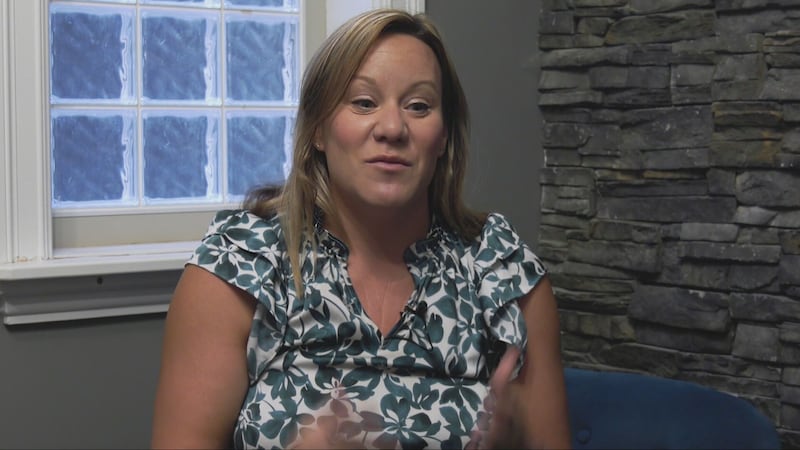
Riley’s mother, Jennifer Schultz, says that at its worst, the disease affected as many as 14 of her son’s joints

Riley was initially treated with anti-inflammatory medication and steroids before moving to biologic therapy.

His family says the medication made a dramatic difference.

“The treatments have been amazing and work very fast,” Schultz said.

Riley initially received treatment intravenously at Alberta Children’s Hospital every few weeks, but has since transitioned to injections at home.

His condition is now largely in remission, and he has returned to many of the activities he enjoys, including playing baseball.

“I sometimes feel like a normal kid. I was freaked out when I first started having to inject these needles, but I feel a lot stronger,” Riley said.

“I love playing baseball, writing comics, and playing video games. So if there are any other kids out there with juvenile arthritis, it’s the love of your family that makes you strong.”

What is juvenile idiopathic arthritis?

Dr. Marinka Twilt, a paediatric rheumatologist at Alberta Children’s Hospital and professor of paediatrics at the University of Calgary, says juvenile idiopathic arthritis is an autoimmune disease in which the immune system mistakenly attacks the body’s own tissues.

The exact cause is not known and is likely influenced by a combination of genetic and environmental factors.

“It’s nothing that a patient or parent has done wrong, and nothing that they could have prevented from it to happen,” Twilt said.

Juvenile arthritis affects an estimated one in 1,000 children.

Twilt says symptoms in children can sometimes be difficult to recognize because younger patients may adapt to pain rather than complain about it.

“They’ll just find another way to still do what they want to do,” she said.

Some children may stop using an affected joint, become unusually tired or lose the ability or willingness to do activities they previously enjoyed. Younger children may suddenly want to be carried more often or stop running and playing.

“If you see that there’s regression in what they could do before, that would be really a sign to go and see a health-care provider,” Twilt said.

Twilt says treatment options for juvenile arthritis have improved significantly, but awareness remains important because earlier diagnosis can help children access effective treatment sooner.

“Awareness is good for the patient that they’re earlier diagnosed, but then when they’re diagnosed, we have to have access to treatment,” she said.

Building support for families

Cassie + Friends, a Canadian charity supporting children with juvenile arthritis and other rheumatic diseases, says roughly 25,000 children across the country are living with those conditions.

“We really want people to understand that kids get arthritis too,” said David Porte, chair and one of the organization’s founders.

Porte helped establish Cassie + Friends after his own daughter, Cassie, was diagnosed with juvenile arthritis at 20 months old.

The organization now provides families with education, financial and emotional support while also connecting children with others facing similar diagnoses.

Cassie + Friends, a Canadian charity supporting children with juvenile arthritis and other rheumatic diseases, says roughly 25,000 children across the country are living with those conditions

Cassie + Friends is holding a Calgary run and walk at Fish Creek Park on Oct. 3, bringing families, doctors and supporters together to raise awareness and funds.

“The medication is great; that’s what treats a disease. But it’s really building this community around it is what lets the families really thrive together,” Porte said.

“We really want people to understand that kids get arthritis too. We really want people to understand what those symptoms are, what they should be looking for if their child has sore joints in the morning, if they’re complaining about pain, that not to overlook it.”

Porte adds that the community events his team runs across Canada are also a chance to build awareness.

One of the challenges is access to treatment.

“The access is not consistent across the country. The access is not consistent for all kids and families, so that is one of the other things that we’re really working on.”

Growing economic burden in Alberta

Arthritis Society Canada is also using Arthritis Awareness Month to highlight the broader impact of the disease.

According to the organization, arthritis carries an estimated $5.1-billion annual economic cost in Alberta through expenses such as medication and hospital care, as well as lost productivity.

Trish Barbato, president and CEO of Arthritis Society Canada, said the report shows another $10 billion is also attributed to social value loss.

“The social impact cost is a new number. It is related to what do people lose because they’re in pain all the time, because they don’t have mobility.”

The cost of pain, reduced mobility, lost independence and the activities people can no longer take part in means arthritis is now the leading cause of disability across Canada.

Barbato adds that the Alberta figures also show the consequences for both individuals and the health-care system.

“It’s a failing of the system. It’s not a failing of individuals who choose to find another path,” Barbato said when discussing the challenges faced by people trying to access arthritis care.

She says improving access to community-based therapy and education could also help people manage the disease and, in some cases, reduce pressure on the health-care system.

“And so when you think about someone who says, ‘I have a bad knee,’ I always joke, ‘You do not have a bad knee. You have end stage arthritis.’”

“If you’re not mobile, if you can’t walk, that is going to impact your job and your ability to be productive.”

The report projects the overall economic and social burden of arthritis in Canada will rise from $142.4 billion annually today to $222.3 billion by 2055, as the number of people living with the disease is expected to grow from more than six million to at least 10 million.

Primary Care Alberta says arthritis can significantly affect a person’s health, independence and quality of life, and that provincial guidance is available to help health-care providers assess and manage the condition.

It says Albertans can also access supports including arthritis education, physiotherapy, self-management workshops and exercise programs.

https://www.ctvnews.ca/calgary/article/calgary-boys-arthritis-diagnosis-highlights-a-disease-many-still-associate-only-with-old-age/ 

Tuesday, 25 August 2026

Next-gen ankle implants to help young arthritis sufferers regain mobility

From sheffield.ac.uk

By Sean Barton

The next generation of ankle replacements that could restore mobility in young people suffering from a debilitating but overlooked condition, are being developed by a global team of researchers.


  • University of Sheffield researchers are leading a global effort to develop new ankle replacements for young people with ankle osteoarthritis - known as OA
  • OA hits a uniquely young, active demographic - often starting in a person’s 20s or 30s following a severe injury through exercise, sports or accidents
  • The disease is difficult to treat and can leave young people with a devastating compromise: undergo an operation that permanently locks the foot solid (fusion) or accept an artificial joint that may fail in a decade
  • Sheffield is leading a global team of scientists and engineers to develop the next generation of ankle implants that will restore mobility, remove pain and last a lifetime, in what is the EPSRC’s biggest-ever funding award to healthcare technology research

The next generation of ankle replacements that could restore mobility in young people suffering from a debilitating but overlooked condition, are being developed by a global team of researchers. 

Led by Professor Claire Brockett from University of Sheffield’s Insigneo Institute, the research is set to revolutionise treatment for ankle osteoarthritis - a degenerative joint disease that can leave young people facing decades of agonising, progressive mobility loss during their most active years of life.

Unlike knee or hip osteoarthritis, which often develop naturally with age, ankle OA is overwhelmingly post-traumatic - triggered by severe fractures or sprains. This means the majority of people with ankle OA are diagnosed at a much younger age than those who typically need a joint replacement, after sustaining injuries from exercise, sports or accidents.

Current treatments for ankle OA are limited. They range from early management of the disease through physiotherapy, specialised footwear and steroid injections to surgery when the condition worsens. However, as the ankle is a complex joint with a number of small bones and tendons surrounding it, this makes successful surgical intervention difficult to achieve. 

A lack of investment in current treatments means that even when surgeries are successful, patients are often left with chronic pain or limited movement. Consequently, both patients and surgeons tend to postpone the procedure, viewing surgery only as a last resort. 

Previous studies have found that the daily physical and mental toll of living with advanced ankle OA is so severe that it is statistically comparable to suffering from end-stage kidney failure or congestive heart failure, according to patients in the SF-36 survey that measures health-related quality of life. 

Now, an international team of scientists and engineers led by the University of Sheffield has been awarded £12 million - the biggest-ever grant awarded by the Engineering and Physical Sciences Research Council (EPSRC) for healthcare technology research - to develop next generation ankle implants that will restore mobility, reduce pain and last a lifetime. 

Professor Claire Brockett, Professor of Biomechanics at the University of Sheffield, said: “Ankle osteoarthritis leaves patients facing a painful condition and a difficult ultimatum: an ankle fusion, which eliminates pain but permanently locks the bones together and limits movement, or a traditional replacement that preserves some mobility but is typically reserved for older, lighter, or less active patients, and one in 10 will fail within 10 years.

“Our research is looking to give all patients, but particularly younger and more active people, a better option for treatment, so they can continue being active at such an important stage in their lives. We are looking to develop new implants that will last much longer and restore mobility closer to that of the natural ankle.”

The project, called Engineering Advanced Solutions for End-stage Ankle Osteoarthritis (EASE-Ankle OA), is a five year project to tackle Total Ankle Replacement (TAR). It brings together engineers, scientists and clinicians from the University of Sheffield together with researchers from the universities of Birmingham, Warwick, Leeds, Cardiff, Dartmouth College, USA and KU Leuven, Belgium.

Professor Sue Hartley, Vice-President for Research and Innovation at the University of Sheffield, said: “This is an exciting opportunity to work on a significant health problem that has been overlooked in the past. By bringing together diverse expertise, the research will have a profound impact on people's lives, not just in the UK, but globally.

“As the first large grant funded by EPSRC that focuses on the ankle, this project sets a new benchmark for the field - combining a world-leading systematic approach with a commitment to developing the next generation of research leaders to deliver life changing impacts for Total Ankle Replacements patients.”

https://sheffield.ac.uk/news/next-gen-ankle-implants-help-young-arthritis-sufferers-regain-mobility 

Monday, 3 August 2026

Think Arthritis Is Only for Seniors? Obesity Is Changing the Rules

From timesnownews.com

Authored by: Ashima Sharda Mahindra

Obesity increases joint stress and inflammation, raising the risk of early-onset arthritis. Losing weight can reduce pain and improve mobility

For decades, arthritis was considered a condition that mainly affected older adults. However, doctors are now seeing a worrying trend - more people in their 30s and 40s are developing early-onset arthritis, with obesity emerging as one of the biggest risk factors. While genetics, injuries, and aging still play important roles, carrying excess weight can significantly accelerate joint damage and increase the risk of chronic pain much earlier in life.

Why does obesity increase the risk of arthritis?

According to Dr. Rajesh Chandra, Consultant – Gastroenterology, Manipal Hospitals, Vijayawada, obesity affects joints in two major ways: through mechanical stress and chronic inflammation.

“Every extra kilogram of body weight increases the pressure placed on weight-bearing joints such as the knees, hips, ankles, and lower back. During everyday activities like climbing stairs or standing up from a chair, the force on the knees can be several times a person's body weight,” said Dr. Chandra. Over time, this repeated stress wears down cartilage—the smooth tissue that cushions joints and allows pain-free movement.

As cartilage deteriorates, bones begin rubbing against each other, leading to pain, stiffness, swelling, and reduced mobility.

Obesity triggers inflammation too

The damage isn't caused by excess weight alone.

Body fat is metabolically active and releases inflammatory proteins known as cytokines. These chemicals contribute to long-term inflammation throughout the body, increasing joint damage and worsening arthritis symptoms. This inflammatory effect also explains why obesity-related arthritis may affect joints that do not carry body weight, including the hands.

                                                         Obesity May Be the Hidden Reason Arthritis Strikes Earlier

Younger adults are increasingly at risk

Doctors are becoming increasingly concerned about rising obesity rates among children, teenagers, and young adults.

When excess weight begins in adolescence, joints remain under continuous stress during their developmental years. As a result, some individuals experience chronic knee pain and arthritis years - even decades - earlier than previous generations.

Orthopaedic clinics are reporting a growing number of patients under 40 seeking treatment for joint pain that was once considered a disease of older age. “Someone who has carried excess weight since adolescence may begin experiencing knee pain or early arthritis decades before it was once considered typical. That shift is becoming harder to ignore in everyday practice,” said Dr. Chandra.

How arthritis affects daily life

Early-onset arthritis is more than occasional joint discomfort.

Persistent pain often discourages physical activity, creating a vicious cycle. Reduced movement weakens muscles that support the joints, leading to further instability and pain. Many people begin avoiding walking, climbing stairs, exercising, or even household chores. Over time, arthritis may reduce work productivity, disturb sleep, and negatively affect mental health due to limited mobility and chronic discomfort.

Can weight loss help?

The encouraging news is that obesity is one of the few arthritis risk factors people can change. Research shows that losing just 5 to 10 per cent of body weight can significantly reduce knee pain, improve joint function, and decrease pressure on weight-bearing joints. “Even modest weight loss reduces the force placed on knees with every step, providing meaningful long-term benefits,” Dr. Chandra added.

Best exercises for painful joints

Many people fear exercise will worsen arthritis, but complete rest usually makes symptoms worse. Doctors recommend low-impact activities that strengthen muscles without overloading joints, including:

  • Walking at a comfortable pace
  • Swimming
  • Cycling
  • Water aerobics
  • Physiotherapist-guided strengthening exercises
These activities improve flexibility, muscle strength, and overall joint function while minimizing additional stress.

When should you see a doctor?

Don't ignore persistent joint pain simply because you're young. Seek medical advice if you experience knee pain lasting several weeks, morning stiffness, swollen joints, difficulty climbing stairs, and reduced range of motion.

Early diagnosis and treatment can slow arthritis progression, relieve symptoms, and help preserve mobility.

https://www.timesnownews.com/health/think-arthritis-is-only-for-seniors-obesity-is-changing-the-rules-article-155227899

Wednesday, 11 March 2026

Bay Area chiropractor says he is seeing "text neck," pre-arthritis symptoms in younger people

From cbsnews.com

A Bay Area chiropractor is sounding the alarm as he says he has been seeing more younger clients experiencing symptoms from "text neck." 

"You would start to feel tightness in the cervical spine here, it's going to come down and tight pulling sensation," Dr. Paul Dancy of Joint Chiropractic in San Leandro, told CBS News Bay Area. 

"Children are now starting to come in with text neck. And some children are starting to come up with pre-arthritis before they're 21. That's never been heard of," he added. 

He advises people to lie down, extend their arms, and hold the phones above their heads, or people should hold their phone at eye level, rather than looking down.

"Bring the phone all the way up, all the texting you need to do, respond to emails. Hold it neck up," Dr. Dancy said. 

Angel McTiller has been seeing Dr. Dancy for the past seven years, and said she's been having neck pains. 

"Because it's like constant, yeah, and so now, I just have relief," she told CBS News Bay Area. 

She added that she is concerned about this alarming trend of text neck in the younger generation. 

"It's creating more health issues for these children and it's not giving them the quality of life that they need, especially growing up in their formative years, and it's taking away from that," McTiller said. 

Bianca Ennix is an attorney and said she spends hours in front of a screen every day. She said that she is taking measures to help prevent worse symptoms. 

"Lift my computer up so that my screen is straight ahead instead of me looking down, which is great," she said. "He's suggested different cushions I could put in the back of my chair so it could help support my lower back."

Dr. Dancy is passionate about his work and said he hopes to continue serving and educating families in the Bay Area. 

"Do good work in the community, serve the community, and that's what allowed me to be here for 27 years," he said. 

https://www.cbsnews.com/sanfrancisco/news/bay-area-chiropractors-text-neck-pre-arthritis-symptoms-younger-people/?ftag=CNM-00-10aag7e 

Wednesday, 28 January 2026

World-renowned health economist builds “pathway to impact” for children with arthritis and their families

From cihr-irsc.gc.ca

“Most people don’t know that kids get arthritis,” says Dr. Deborah Marshall. “And they don’t understand the serious and wide-ranging effects of arthritis on child patients, their families, and communities.”

Dr. Marshall, Svare Chair, Health Economics, Value and Impact at the University of Calgary, studies the social and economic burden of juvenile arthritis and gathers data and evidence to influence health decision-making.

“In our research program, we are focused on standardizing measurements of care, measuring treatment preferences, and modelling the cost-effectiveness of personalized treatment strategies,” says Dr. Marshall. “Overall, we’re building a pathway to impact for better health and well-being for children and families.”

                                                                                               Dr. Deborah Marshall

Arthritis is one of the most common inflammatory diseases in childhood. It affects around 25,000 children in Canada. In juvenile arthritis, the immune system attacks the joints, causing pain, swelling, inflammation, and in many cases irreversible damage and long-term disability. The disease can have debilitating effects in all areas of a child‘s life.

The good news is that in the last decade a variety of treatment options have become available for children with arthritis. The gap is knowing which treatment will work optimally in each case.

Dr. Marshall with Cassie + Friends, a juvenile arthritis charity. (Photo credit : Cassie + Friends)

Dr. Marshall is the health economics lead for the successful national and international Understanding Childhood Arthritis Network (UCAN) collaboration. Through this collaboration, Dr. Marshall and her colleagues and partners are advancing science, generating knowledge, and have created a highly effective data collection and sharing ecosystem.

“It doesn’t sound very sexy, but we need to measure things,” says Dr. Marshall. “We need to be able to measure the outcomes and socioeconomic burden for patients—and we need data to tell our impact story and drive actionable change.”

Children with arthritis have a variety of treatment options. In Canada, treatments usually start with steroids, then move to a class of drugs named disease-modifying anti-rheumatic drugs, or DMARDS, and finally to biologics, which are expensive and may not be accessible, depending on where you live in the country. It can take a couple of years of trying different drugs before finding one that works best for the patient.

“It’s difficult to believe, that in the 21st century, we still use trial and error to arrive at the right drug,” says Dr. Rae Yeung, a paediatric rheumatologist, leader of the UCAN research program, and Scientific Director of the CIHR Institute of Musculoskeletal Health and Arthritis.

“With UCAN’s comprehensive data strategy, we can answer questions using data from multiple domains, including demographic, clinical, biologic, socioeconomic and patient reported outcomes. This wholistic approach allows us to develop personalized treatment plans for patients and may lead to cost savings for the health system and families.”

Most studies on juvenile arthritis have focused on medical costs. But what is often hidden are the significant social and economic costs for patients and their families. They include missing school and social activities, having to reduce work hours, and paying out-of-pocket for medications, physical therapy, and travel to see arthritis specialists in other cities.

Dr. Marshall and her team

“It’s heartbreaking to listen to patients and parents talk about the effect of arthritis on their lives,” says Dr. Marshall.

Listening to patients motivated Dr. Marshall and her team to develop research training opportunities and empower patients and their families.

Dr. Marshall is one of the founders of the Patient and Community Engagement Research (PaCER) program at the University of Calgary where participants learn how to design and implement qualitative research studies. A group of youth with arthritis who took the PaCER program conducted a study that filled an evidence gap on the experience of youth with arthritis in the transition from paediatric to adult care in Canada.

An international project led by Canada called PAVE (Producing an Arthritis Value-Framework with Economic Evidence) will develop an evidence-informed, patient and parent co-created framework that will fully capture all the ways that childhood arthritis affects families. Dr. Marshall is collaborating on PAVE with Cassie and Friends, a juvenile arthritis charity, which is the lead patient organization for the consortium.

The strong leadership of Dr. Marshall and her outstanding contributions to programs such as UCAN, PaCER, PAVE, and others helped secure the funding for One Child Every Child, a Canada-first research and translation initiative, which is supported by a major grant from the Canada First Research Excellence Fund.

Dr. Marshall also leads the value, impact and knowledge mobilization accelerator of One Child Every Child, which embeds value and impact measures into research activities to achieve maximum impact by design. With their destination clearly in mind, the team is well on the road to creating a healthier future for children in Canada and globally.

https://cihr-irsc.gc.ca/e/54595.html