Showing posts with label older. Show all posts

Sunday, 2 August 2026

No, arthritis isn’t just an old person’s problem: Five common myths busted

From stuff.co.nz

More than 850,000 New Zealanders live with arthritis, but despite how common it is, plenty of myths and misconceptions remain.

We asked Arthritis New Zealand Mateponapona Aotearoa to bust five of the most common myths it hears every day.


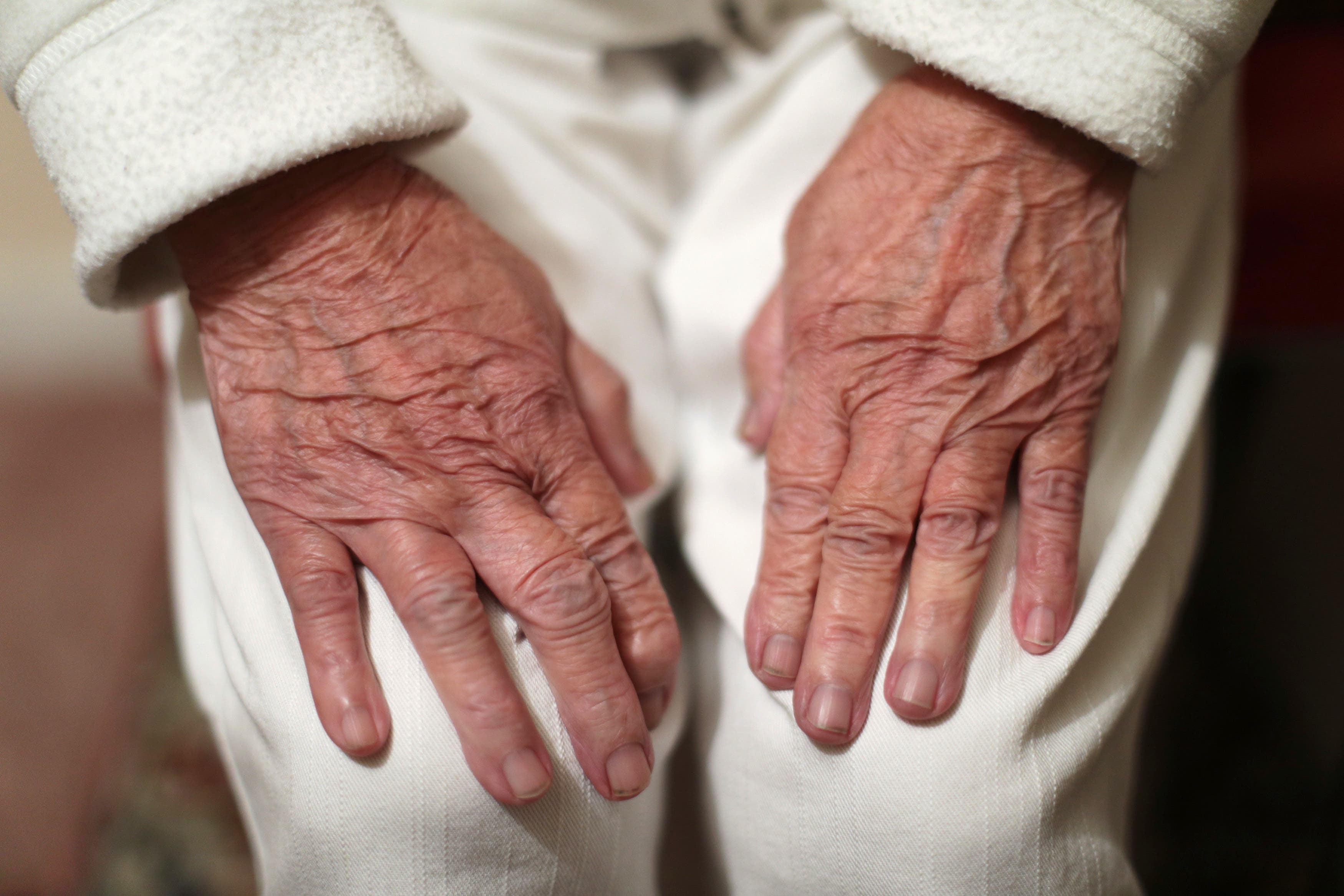
                                                                                                                     Photo: 123rf

Myth 1: Arthritis is just part of getting older

False.

‘Oh, arthritis? That’s just something only old people get’ – right? Wrong, and I should know. In my early 40s (shut up, that’s not old), I got a severe form of reactive arthritis from a food bug. You can read about my ‘fun’ journey here.

Sure, osteoarthritis becomes more common as we age, but there are more than 140 types of arthritis, including mine. Arthritis affects people of all ages, including children, teenagers and young adults.

Bottom line: Arthritis can affect anyone, regardless of age.

Myth 2: If my X-ray shows arthritis, that's why I'm in pain

Not necessarily.

An X-ray gives you a snapshot of what the bones in your joints look like, but it doesn’t necessarily show the whole picture.

Arthritis NZ says that in some cases, people can have significant changes on an X-ray but experience very little pain, while in others, there may be severe pain despite only minor changes showing up on an X-ray.

X-rays are a piece of the puzzle, but healthcare professionals look at the person and their symptoms as a whole, rather than relying on an X-ray alone.

Bottom line: Treat the person, not just the X-ray.

Myth 3: Gout is caused by eating rich food and drinking too much alcohol

False.

Not everyone will know that gout is a form of arthritis. It develops when too much uric acid builds up in the blood and forms crystals in the joints, often because the kidneys aren't removing enough uric acid from the body. Genetics also play a major role.

While certain foods and alcohol can trigger attacks – such as beer, sugary food and drinks, liver, some meats and seafood – they aren't usually the underlying cause.

Thankfully, gout, although painful, is also highly treatable. Urate-lowering medication can help prevent attacks and protect the joints.

Bottom line: Gout can be effectively managed.


Myth 4: Exercise wears out your joints if you have arthritis

False.

A particularly bad bout of reactive arthritis for me came during Christmas one year. I could hardly walk without screaming in pain, but my partner, later husband, decided to buy me a Fitbit. The irony was dripping as I put it on my wrist.

But he was actually right – appropriate exercise can reduce pain, strengthen muscles and help maintain joint function.

Don’t push through pain, but find movement that works for you. Long-term inactivity won't help – it can lead to weaker muscles, stiffer joints and potentially more pain.

Bottom line: Movement can be one of the best ways to manage arthritis.

Myth 5: Osteoarthritis is just 'wear and tear'

Not anymore.

In the past, osteoarthritis was described as joints simply wearing out with age and use. Not now – we know it’s more complex than that.

Arthritis NZ describes it as a “whole-joint condition involving cartilage, bone, muscles and inflammation”.

“While age and previous injury can increase the risk, staying active, strengthening muscles and managing symptoms early can help people continue living well with osteoarthritis.”

Bottom line: Osteoarthritis is more complicated than simply "worn-out" joints.

Bonus: Cracking your knuckles gives you arthritis

False.

The cracking sound comes from changes involving gas within the fluid that lubricates your joints. There's no evidence that regularly cracking your knuckles causes arthritis.


https://www.stuff.co.nz/health/361010099/no-arthritis-isnt-just-old-persons-problem-five-common-myths-busted 

Tuesday, 28 July 2026

Suffering From Arthritis? Here Are Seven Things You Need To Know

 From dailyvoice.com

Many newly diagnosed arthritis patients find themselves filled with questions and misconceptions about the painful condition. In honour of Arthritis Awareness Month, and to help set the record straight, Dr. Oliver Kurucz, chief of rheumatology at Montefiore Nyack Hospital, discussed the most common questions he hears from newly-diagnosed patients

Q: What is arthritis?

A: The word “arthritis” means joint inflammation. In fact, there are more than 100 kinds of arthritis and related diseases, osteoarthritis being the most common. Symptoms include achy joints after physical work or exercise as well as joint swelling and bony enlargement of the joints.

Rheumatoid arthritis is an autoimmune disease, meaning the body’s immune system mistakenly attacks the joints, causing swelling and pain in and around the joints. It most often affects the joints of the hands, feet, wrists, elbows, knees and ankles.

An arthritis diagnosis is often mistakenly filled with misinformation and fear, says Dr. Oliver Kurucz.

Photo Credit: Montefiore Nyack Hospital

Q: Is arthritis more likely to develop as a person ages? Are women more likely to develop it?

A: It depends on the type of arthritis. About 80 percent of people over age 50 have some form of osteoarthritis, and it is equally common in men and women. Rheumatoid arthritis is most common in people between the ages of 30 and 50 and occurs more often in women.

Q: Can arthritis be treated through diet?

A: Eating a so-called “anti-inflammatory” diet, also known as a Mediterranean diet, can help reduce inflammation associated with both osteoarthritis and rheumatoid arthritis. This diet includes fish, nuts and seeds, fruits and vegetables, whole grains and beans. Other anti-inflammatory foods include avocado and dark chocolate. 

Q: Will exercise make my arthritis worse?

A: No -- exercise can improve arthritis symptoms. Strengthening exercises help support muscles around affected joints, easing the burden on those joints and reducing pain.

Q: Should I take glucosamine/chondroitin for my arthritis?

A: Glucosamine and chondroitin are popular supplements used to treat the pain and loss of function associated with osteoarthritis. My recommendation to patients who ask about these supplements is to try them for three months and see if it helps. If you don’t notice a benefit in that time, it’s probably not worth your money.

Q: Are there any medications that can cure arthritis?

A: There are currently no treatments that can cure osteoarthritis. Treatment generally starts with diet, exercise, physical therapy and weight loss, and then moves to pain relievers if non-drug treatments are not effective. 

Rheumatoid arthritis treatment includes nonsteroidal anti-inflammatory drugs such as aspirin, ibuprofen, naproxen and naproxen sodium to relieve pain and inflammation, and disease-modifying antirheumatic drugs or biologic agents to slow or stop the progression of the disease and damage to the joints.

Q: Does my arthritis need to be treated by a rheumatologist, or can I be treated by my internist?

A: Many people with osteoarthritis can be successfully treated by their internist. If you have an inflammatory type of arthritis, such as rheumatoid arthritis or psoriatic arthritis, I would recommend treatment by a rheumatologist.

https://dailyvoice.com/article/suffering-from-arthritis-here-are-seven-things-you-need-to-know/ 

Wednesday, 25 February 2026

Clinical trials reveal the best shoes to manage osteoarthritis pain

From independent.co.uk 

Kade Paterson The Conversation & Rana Hinman

  • New research challenges the common belief that stable, supportive shoes are always the best option for people with osteoarthritis.
  • A recent clinical trial found that for hip osteoarthritis, flat flexible shoes were no more effective than stable supportive shoes in reducing pain.
  • People with hip and knee osteoarthritis are advised to wear “appropriate footwear” to minimise their pain.

    Does that mean heels are out? Does it matter if you wear runners or something a little stiffer? How about using insoles?

    Our research, including our latest clinical trial published today in Annals of Internal Medicine, provides some answers.

  • We show that stable, more supportive shoes aren’t necessarily the best option, despite what you might have heard.

    What is osteoarthritis?

    Osteoarthritis is a condition that affects the tissues in and around a joint, including bone, cartilage, ligaments and muscles. It is more common in older people, and people with excess body weight. It causes joint pain and stiffness, and can lead to disability.

  • About 2.35 million Australians have osteoarthritis and this number is predicted to increase as the population ages and obesity rates rise.

    Osteoarthritis is a condition that affects the tissues in and around a joint
    Osteoarthritis is a condition that affects the tissues in and around a joint (PA)

    Osteoarthritis commonly affects the hip and knee joints, making it difficult to walk. There is no cure, so self-management is important.

    That includes wearing the right type of shoes.

    How can shoes affect symptoms?

    There are many causes of osteoarthritis, but excessive force inside the joint when someone is walking is thought to play a role. Excessive joint forces can also increase the chance of osteoarthritis worsening over time.

  • Shoes are our connection to the ground and can influence how forces are transmitted up the leg during every step. Some shoe features are particularly important.

    Shoes with higher heels increase joint forces. For example, shoes with six-centimetre heels increase knee forces by an average 23% compared to walking barefoot.

  • Some shoes come with supportive features, such as insoles that support the arches. Other supportive features include being made with a stiffer material in the sole or heel.

    Many people, and clinicians, think these stable and supportive shoe features are best for people with osteoarthritis.

    But biomechanical research shows shoes with these supportive features actually increase knee force by up to 15% compared to shoes without them. Arch-supporting insoles also increase knee force by up to 6% when added to shoes.

    So, are flatter, flexible shoes without stable supportive features – such as ballet flats – better for knee and hip osteoarthritis?

    Not necessarily. We also need to look at people’s pain.

    What we found

    Our biomechanical research from 2017 in people with knee osteoarthritis showed flat flexible shoes reduced knee forces by an average 9% compared to stable supportive shoe styles.

    This suggests flat flexible shoes could be better for osteoarthritis. To find out, we conducted two clinical trials to look at people’s pain levels.

    Our new clinical trial involved 120 people with hip osteoarthritis.

    They were randomised to wear different types of flat flexible shoes, such as flexible ballet flats, or different types of stable supportive shoes, such as supportive runners. People were asked to wear their shoes for at least six hours a day. After six months we measured the change in hip pain when they walked.

  • We found that flat flexible shoes were no better than stable supportive shoes for reducing hip pain.

    These findings differ to those from our 2021 clinical trial in 164 people with knee osteoarthritis. In that trial, we found wearing stable supportive shoes for six months reduced knee pain when walking by an average 63% more than wearing flat flexible shoes.

    It’s unclear why findings differed between the knee and hip. But it might be because joint forces are higher in knee compared to hip osteoarthritis, and so there may be greater potential for stable supportive shoes to reduce knee forces, and therefore knee pain.

    In both trials, more complications, such as foot pain, were reported by people who wore flat flexible shoes. This might be because these shoe styles provide less protection for the feet.

    So which shoes should I wear?

    For people with knee osteoarthritis, stable, supportive shoes are likely to be more beneficial than flat, flexible ones.

    For people with hip osteoarthritis, neither shoe type is better than the other for improving hip pain.

    But for all older people – including those with hip and knee osteoarthritis – it is sensible to avoid ill-fitting shoes, as well as shoes with high or narrow heels, due to an increased risk of falls.

    For younger people with knee or hip osteoarthritis but who are not at risk of falls, it may still be advisable to avoid high heels given their potential to increase joint forces.

  • Who should you talk to?

    If you are concerned about your hip or knee osteoarthritis, talk to your GP or other health-care provider, such as a podiatrist or physiotherapist.

    Other non-surgical treatments, such as exercise, weight management, nutrition and some pain medicines can help.

  • https://www.independent.co.uk/life-style/arthritis-best-shoes-knee-osteoarthritis-b2926484.html

Wednesday, 19 November 2025

Common signs of arthritis in over 60s and when to seek help

From independent.co.uk

Worsening levels of pain may indicate a more serious issue 

Arthritis is a widespread condition in the UK, especially among those aged 60 and over.

While some level of discomfort can be a natural part of ageing, ongoing or worsening symptoms may indicate a more serious issue that shouldn’t be ignored.

To learn more, Justine Musiime, a chartered physiotherapist with a special interest in rehabilitation for older adults, revealed three of the most common types of arthritis in later life.

She also shared some key insights about when to seek professional advice for symptoms and why early intervention is so important.

Osteoarthritis

The most common type of arthritis in older people is osteoarthritis.

“Osteoarthritis is mainly the degeneration or wear and tear of the joint,” explains Musiime. “It mainly affect the knees and the hips, but can also affect other joints in the hands and the spine.”

In osteoarthritis, the protective cartilage on the ends of your bones breaks down and bony growths can develop, according to the NHS website.

It is estimated that around 8.75 million people in the UK have seen a doctor about osteoarthritis, according to Versus Arthritis’ website, and pain and tenderness are common symptoms.

“The pain is usually worse in the morning,” says Musiime. “So, after someone has been asleep, when they wake up they often feel terrible pain when they try to move. There can also be swelling as well.

“Sometimes people will also hear a crunching noise when they try to move the affected joint.”

However, the severity of osteoarthritis symptoms can vary greatly from person to person, and between different affected joints.

The exact cause is not known, but several things are thought to increase your risk of developing osteoarthritis such as joint injury, age, family history and obesity, according to the NHS website.

Osteoarthritis is also more common in women than men.

                                                     I think if people are displaying symptoms, they should seek help as soon as possible (Alamy/PA)

Rheumatoid arthritis

“Rheumatoid arthritis is an autoimmune disease where the body’s immune system starts attacking the joints by mistake, causing inflammation,” explains Musiime.

Symptoms of rheumatoid arthritis can include swollen and tender joints, swelling and stiffness in joints in the morning that lasts for longer than half an hour, severe tiredness and a general feeling of being unwell, according to Versus Arthritis.

Over time this inflammation can damage the joints, cartilage and nearby bone.

According to the NHS website, the condition usually affects the hands, feet and wrists and there may be periods where symptoms become worse, known as flare-ups or flares.

The NHS website also states that a flare can be difficult to predict, but with treatment it’s possible to decrease the number of flares and minimise or prevent long-term damage to the joints.

While rheumatoid arthritis can affect adults of any age, it’s most commonly starts among people between the ages of 40 and 60, according to Versus Arthritis.

Gout

“Gout is caused by an accumulation of uric acid in the body,” explains Musiime. This can lead to crystals forming around your joints, which causes pain, according to the NHS website.

“This mainly affects the big toe, causing it to be swollen, painful and sometimes red,” notes Musiime. “Sometimes you might also see skin peeling off.”

Things that can trigger a gout attack include an illness that causes a high temperature, too much alcohol or a very large meal, dehydration, a joint injury or certain medicine, according to the NHS website.

When should people seek help about their symptoms – and why is it important?

“I think if people are displaying symptoms, they should seek help as soon as possible. With the different kinds of arthritis there are different ways of managing the symptoms,” says Musiime. “Arthritis can affect people’s everyday life, even doing basic things like cooking, cleaning and dressing. I have met patients with arthritis who are unable to wash themselves.

“Arthritis isn’t curable, but seeking professional advice can help manage the symptoms and might be able to help slow the progression down too.”

Medication is a common pain management strategy for arthritis.

“I always tell my patients that they need to take the pain medication they have been prescribed because it can help take the edge off the pain,” says Musiime. “It also means that the medication will be in their system for when they start or try to get up and walk.

“Patients with arthritis are often prescribed non-steroidal anti-inflammatory drugs (NSAIDs) such as ibuprofen, but it’s best to talk to your GP to figure out the best medication for you.”

It’s also very important to stay active.

“Swimming is good because being in water means there is less pressure and pain on the joints and walking is also really good,” says Musiime. “But, any exercise that you enjoy engaging in is good, as long as it does not make the pain excruciating to the extent that you are not able to function. Any movement of the joints and strengthening the muscles around those joints is very important.”

https://www.independent.co.uk/health-and-wellbeing/arthritis-symptoms-treatment-doctor-b2866454.html

Saturday, 18 October 2025

Here's What Rheumatoid Arthritis Looks Like in Your 60s

From healthcentral.com

RA columnist Lene Andersen shares the ways aging with a chronic condition has changed her—sometimes for the better 

There is no part of my life that rheumatoid arthritis (RA) hasn’t touched, so it’s no surprise that the changes that have occurred as I’ve gotten older are also tinted by having this lifelong chronic illness. Maturing with RA has come with not just physical shifts in my body, but also with mental and emotional changes, too. And it might surprise you to know that these shifts have not all been in a downhill direction.

When I was young, my mother told me that when women turn 40, they come into their own. For many women, this is the first “older” birthday, the one that transitions you from youth to the beginning of middle-age, and I was surrounded by friends who dreaded the big 4-0. I wasn’t one of them. Thanks to my mother’s prediction, I couldn’t wait to become stronger, more independent, and self-assured. This anticipation of a new level of empowerment grew even more intense for me when I neared my 60th birthday. I am not yet as wise as I hope to become, but it is true that the simple act of me living through events and spending some time thinking about what did or didn’t work has nurtured a level of insight that I didn’t have several decades ago. And that insight has created some significant changes in the way I now live my life and accommodate my RA, as well as my age.

Aging means I am now managing additional chronic conditions on top of my RA. As we grow older, we have a higher risk of medical conditions that can affect the way we function. If you already have a chronic illness such as RA, this process may have started much earlier, meaning you may face these physical challenges sooner than your peers. So it has been for me, most obviously in becoming a wheelchair user in my teens, but as I got closer to my 60s, I started noticing physical changes that I hadn’t expected to hit quite yet. Throughout my life, RA has meant it takes me longer to heal after an illness or injury and now that I’m in my early 60s, that time is extended even further, often challenging my patience (the level of which has not increased with the years).

                                                                                          GettyImages/Deagreez

In the RA community, we joke that this condition likes to bring its friends along for company—that is, other chronic conditions—and it turns out that so does age. Over the past several decades, I have slowly added a few conditions to my life, including asthma and fibromyalgia, but now that collection is growing faster, adding gastroparesis, more intense GERD, and a few others. I try to stay ahead of this by paying more attention to how I feel, prioritizing pacing myself, and ongoing conversations with my family doctor about how we can together support my health.

Growing older has sharpened my perspective—in a good way. The knowledge that I have fewer years ahead of me than I have behind me might sound as if it would make me want to move faster so I can do everything possible in the time remaining, but the opposite has happened. I now have an awareness of time being more precious; that focusing on things other than my most deeply held dreams and aspirations risks me not getting to them at all. And so, I am more focused on how I want to live my life, what I want to accomplish, and being more ruthless about the boundaries necessary to create the conditions that enable me to do this.

The person I am now owes much to the work I’ve done in the last few decades, investing time and effort in figuring out how to live well with chronic illness and disability. I have come closer to dismantling the idea that my worth is tied to my productivity, to understanding that pushing through pain only hurts me in the long run, and learning (often the hard way) that being kind to my body and respecting its needs made for a better way to live with RA. In fact, by slowing down and doing less I create the conditions that allow me to hone my focus and, if you will, live the rest of my life authentically.

Currently, this looks like writing a novel. It’s not my first attempt (or even my first book), but it’s the one I intend to finish, investing the time and effort to nurture the story that won’t leave my mind. For a few years, I tried to honour both this dream and my commitment to freelance and advocacy work, but at this time in my life, the effects of RA (and age) meant such scattered effort halted my progress and eroded my health. Ten years ago, I prioritized differently, but my new-found awareness of a realistic limit in available time clarified my view and there was only one decision to make: To put the book—and most importantly, myself—first.

Maturity has brought me to a place where I now prioritize my own needs. In our culture, women are taught to meet the needs of others before ourselves, and the challenges of living with a chronic illness can enhance that, making it seem more important to keep showing up for others even if it causes RA flares. But turning 60 changed that for me. My family and friends are essential to my happiness, but I am old enough, and perhaps wise enough, to realize all the way into my oft-aching bones this truth: If I don’t meet my own needs first, I do not bring my best self to my relationships with others.

Turning 60 has, in a way, applied the Serenity Prayer to my life with RA. At long last, I have (mostly) learned to accept the things I cannot change, such as the effects of RA on how I live my life and rolling with whatever unpredictable changes occur on a day-to-day. This has given me the courage to change the things I can and do so now, putting my needs first, be they a nap or writing a novel. And lastly, I feel the beginnings of the wisdom to know the difference between what deserves the work involved in change and that which is a wasted effort.

RA affecting how I age was to be expected. But what has been a surprise is that so far, this has felt much less like the stain our youth-obsessed culture dreads and more a gentle wash. In my experience so far, aging is an enhancement like the colours of the sunrise on a new morning’s clouds: Transformative, beautiful, and altogether a stunning bonus to another stage of life.

Lene Andersen, MSW, Patient Advocate:  Lene Andersen is an author, health and disability advocate, and photographer living in Toronto. Lene (pronounced Lena) has lived with rheumatoid arthritis since she was four years old and uses her experience to help others with chronic illness.

https://www.healthcentral.com/condition/rheumatoid-arthritis/what-i-wish-people-knew-about-having-ra-in-your-60s

Friday, 1 August 2025

The 3 common types of arthritis in over 60s, the symptoms and when to seek help

From the-independent.com

Some level of discomfort can be down to ageing, but worsening symptoms may indicate a more serious issue 

Arthritis is a widespread condition in the UK, especially among those aged 60 and over.

While some level of discomfort can be a natural part of ageing, ongoing or worsening symptoms may indicate a more serious issue that shouldn’t be ignored.

To learn more, Justine Musiime, a chartered physiotherapist with a special interest in rehabilitation for older adults, revealed three of the most common types of arthritis in later life.

She also shared some key insights about when to seek professional advice for symptoms and why early intervention is so important.

                                                             Arthritis is common in people aged 60 and over (Alamy/PA)

Osteoarthritis

The most common type of arthritis in older people is osteoarthritis.

“Osteoarthritis is mainly the degeneration or wear and tear of the joint,” explains Musiime. “It mainly affect the knees and the hips, but can also affect other joints in the hands and the spine.”

In osteoarthritis, the protective cartilage on the ends of your bones breaks down and bony growths can develop, according to the NHS website.

It is estimated that around 8.75 million people in the UK have seen a doctor about osteoarthritis, according to Versus Arthritis’ website, and pain and tenderness are common symptoms.

“The pain is usually worse in the morning,” says Musiime. “So, after someone has been asleep, when they wake up they often feel terrible pain when they try to move. There can also be swelling as well.

“Sometimes people will also hear a crunching noise when they try to move the affected joint.”

However, the severity of osteoarthritis symptoms can vary greatly from person to person, and between different affected joints.

The exact cause is not known, but several things are thought to increase your risk of developing osteoarthritis such as joint injury, age, family history and obesity, according to the NHS website.

Osteoarthritis is also more common in women than men.

Rheumatoid arthritis

“Rheumatoid arthritis is an autoimmune disease where the body’s immune system starts attacking the joints by mistake, causing inflammation,” explains Musiime.

Symptoms of rheumatoid arthritis can include swollen and tender joints, swelling and stiffness in joints in the morning that lasts for longer than half an hour, severe tiredness and a general feeling of being unwell, according to Versus Arthritis.

Over time this inflammation can damage the joints, cartilage and nearby bone.

According to the NHS website, the condition usually affects the hands, feet and wrists and there may be periods where symptoms become worse, known as flare-ups or flares.

The NHS website also states that a flare can be difficult to predict, but with treatment it’s possible to decrease the number of flares and minimise or prevent long-term damage to the joints.

While rheumatoid arthritis can affect adults of any age, it’s most commonly starts among people between the ages of 40 and 60, according to Versus Arthritis.

Gout

“Gout is caused by an accumulation of uric acid in the body,” explains Musiime. This can lead to crystals forming around your joints, which causes pain, according to the NHS website.

“This mainly affects the big toe, causing it to be swollen, painful and sometimes red,” notes Musiime. “Sometimes you might also see skin peeling off.”

Things that can trigger a gout attack include an illness that causes a high temperature, too much alcohol or a very large meal, dehydration, a joint injury or certain medicine, according to the NHS website.

                                               I think if people are displaying symptoms, they should seek help as soon as possible (Alamy/PA)

When should people seek help about their symptoms – and why is it important?

“I think if people are displaying symptoms, they should seek help as soon as possible. With the different kinds of arthritis there are different ways of managing the symptoms,” says Musiime. “Arthritis can affect people’s everyday life, even doing basic things like cooking, cleaning and dressing. I have met patients with arthritis who are unable to wash themselves.

“Arthritis isn’t curable, but seeking professional advice can help manage the symptoms and might be able to help slow the progression down too.”

Medication is a common pain management strategy for arthritis.

“I always tell my patients that they need to take the pain medication they have been prescribed because it can help take the edge off the pain,” says Musiime. “It also means that the medication will be in their system for when they start or try to get up and walk.

“Patients with arthritis are often prescribed non-steroidal anti-inflammatory drugs (NSAIDs) such as ibuprofen, but it’s best to talk to your GP to figure out the best medication for you.”