Showing posts with label cinnamon. Show all posts

Sunday, 10 May 2026

Eleven arthritis remedies that really work (and others to be wary of)

From telegraph.co.uk

By Luisa Metcalfe

Experts reveal which complementary treatments can help reduce pain and ease flare-ups – and which may be a waste of your money 

If you’re one of the estimated 10 million people in the UK living with the agony of osteoarthritis (OA), chances are you’ve already veered from the traditional NHS trinity of recommended remedies – weight loss, ibuprofen and exercise – in search of alternative relief from your knee, hip or hand pain.

In a 2024 survey by Arthritis UK, 87 per cent of people with arthritis said they had used some form of complementary medicine to manage their symptoms, with 61 per cent saying they had taken supplements and 26 per cent saying they had tried herbal medicine. The 2,800 respondents included both people living with OA, the chronic condition where the protective cartilage in a joint wears away, and people with inflammatory arthritis, which includes the autoimmune disease rheumatoid arthritis (RA).

Many remedies for one form of arthritis can be helpful for others too. “There are lots of treatments available for inflammatory arthritis because you can target the autoimmune system,” says Dr Julekha Wajed, a consultant rheumatologist at Kingston Hospital.

“What’s interesting is that with ultrasound and MRI scans, we can see that some people with osteoarthritis also have inflammatory changes.”

With a new study indicating that taking prebiotics could be beneficial, we ask the experts which complementary remedies could help reduce the pain and stiffness of OA or ease RA flare-ups – and which may be a waste of your time and money.

                                    Hydrotherapy, prebiotics and a Mediterranean diet are among the remedies approved by rheumatologists

The more promising treatments…

1. Prebiotics

Gut health might well be the foundation of good health: A diverse microbiome is linked with a strong immune system, low inflammation and a healthy heart.

In a study carried out at the University of Nottingham, a daily supplement of inulin – a prebiotic fibre found in Jerusalem artichokes and onions – was found to significantly reduce pain in people with osteoarthritis.

The inulin feeds “good” gut bacteria, leading to the production of short-chain fatty acids that play a role in inflammation and pain pathways in the body.

A fibre-rich Mediterranean diet can also help people with RA. “Pro- and prebiotics are good for gut health,” says Wajed. “If you improve your gut health, it improves your inflammation levels, and that, in theory, improves inflammatory arthritis.”

2. Turmeric

Turmeric isn’t just key for some of the world’s most delicious meals but is also a powerful anti-inflammatory thanks to its active ingredient, curcumin, which can be taken in powder or capsule form.

“There are various double-blinded, randomised controlled trials that show high-bioavailability curcumin is associated with improved pain scores and improves joint mobility and function for both hand and knee OA,” says Wajed.

Applying curcumin in a gel directly on the joint might also help, according to an Australian study of patients with knee OA.

3. Hot and cold therapy

If you need a reprieve from painful joints, a hot water bottle can help. Hampshire GP James Hubbard explains: “Heat increases blood supply to the joint, which then increases your range of movement, which in turn reduces pain. When you have better use of your joint you can maintain it for longer.”

A woman putting a hot water bottle on her knee
A cold gel pack or bag of frozen peas may help to soothe hot, swollen joints from a flare Credit: Filmstax/iStockphoto

Wajed adds: “For people with pain and stiffness and low-grade aching pain, heat bags and pads may give a gentle relief. However, if you have a hot swollen joint from a flare, you need to put cold on the painful area. Use a gel pack or bag of peas from the freezer rather than cold gels or sprays. Apply for five minutes to reduce the inflammation.”

4. Capsaicin

You may not be a fan of spicy food, but capsaicin, the active compound in chilli peppers, could help with your osteoarthritis joint pain.

“It’s recommended as an alternative to anti-inflammatory cream,” says Wajed.

NHS advice is to apply a pea-sized amount of prescription-only capsaicin cream to your joints up to four times a day to block the pain messages being transmitted to the affected area.

5. Specialist pro-resolving mediators (SPMs)

The Mediterranean diet is the gold-standard dietary pattern for a long, healthy life, and at its heart are omega-3 fatty acids, found in oily fish such as sardines and salmon and in nuts. “Omega-3 lowers levels of inflammatory cytokines, known as TNF, IL-17 and IL-6 that we see in rheumatoid arthritis (RA), and this reduces the inflammatory response,” explains Wajed, who recommends omega-3 supplements for both RA and OA.

Oily fish such salmon is high in omega-3 fatty acids
Oily fish such as salmon is high in omega-3 fatty acids Credit: E+

A supplement derived from omega-3 fatty acids is now offering hope for those with OA. “Specialist pro-resolving mediators (SPMs) help calm low-grade systemic inflammation and support the body in switching it off,” says VJ Hamilton, a registered nutritionist who founded the Autoimmune Nutrition Clinic.

Patients with knee osteoarthritis taking SPMs for 12 weeks as part of a Spanish double-blind, placebo-controlled pilot study showed “reduced pain” and an “improved quality of life”.

6. Meditation

Taking a few moments each day to clear your mind could have a dramatic impact on your arthritis. “Meditation has changed my life,” says Emily Johnson, 32, who wrote Beat Arthritis Naturally and shares tips for managing her pain and symptoms of inflammatory seronegative arthritis on Instagram as Arthritis Foodie. She says it is a powerful way to reduce stress, which can affect the immune system and inflammation.

Her experience is backed by research, including a 2020 Chinese meta-analysis of six randomised control trials that found that mindfulness meditation was associated with reduced pain intensity in patients with rheumatoid arthritis.

7. Tens machine

A handheld device delivering small electric shocks will be familiar to many women who have used it to take the edge off during labour, but a Tens (transcutaneous electrical nerve stimulation) machine could help ease both OA-related and RA-related discomfort.

It’s thought to work by encouraging the body to release natural painkillers and to stop the pain messages at the affected area from reaching the brain.

A person with a wrapped knee using a Tens machine
A Tens machine encourages the body to release natural painkillers and stops pain messages from reaching the brain Credit: Science Photo Library/Alamy Stock Photo

In the Arthritis UK survey, 63 per cent of Tens machine users reported that the device eased back pain.

Osteopath Nadia Alibhai, the director of the west London clinic Back 2 Well, says, “Tens machines can bring quite a bit of relief, particularly with my older patients who aren’t very mobile.”

8. Hydrotherapy

Getting into water can provide instant relief for OA and RA sufferers, with hydrotherapy being the highest-rated physical therapy in the Arthritis UK survey, where 77 per cent of respondents found it effective.

Unlike strenuous aqua-aerobics, hydrotherapy involves performing special movements in a heated pool.

“The resistance from the water helps strengthen muscles, and you’re also working on your balance at the same time,” Alibhai says, “which is so important for osteoarthritis.”

A 2022 review by Brazilian researchers found that people with RA who took part in “aquatic exercise” had “significantly improved” disease activity and improved physical function.

9. Cinnamon

Don’t just save cinnamon for your apple crumbles – the spice might help with pain relief year-round for women with rheumatoid arthritis.

Close-up of cinnamon sticks
A clinical trial has linked cinnamon supplements with RA pain relief and reduced levels of inflammation Credit: Martin Puddy

A small randomised, double-blind clinical trial published in 2018 found that women taking four capsules of 500mg of cinnamon powder daily for eight weeks had reduced levels of the inflammation marker C-reactive protein and less tender, swollen joints than women who took a placebo.

10. Wax bath therapy

Wearing a warm glove of wax is the go-to treatment for many people with OA in their hands. According to a 2023 review, paraffin bath therapy “significantly reduced” pain scores and improved grip and pinch strength.

At-home wax baths are available to purchase at high street chemists or online, and the NHS advises users to dip their hands into wax, no hotter than 51.7 degrees Celsius, to coat the skin.

11. Epsom salts

Soaking in a bath full of Epsom salts (a natural mineral compound, magnesium sulphate) has been recommended for centuries as a treatment for joint pain, and a small 2025 study that gave 32 people Epsom salt baths for seven days suggests our forbears may have been on to something.

“Epsom salts reduce pain and improve the activity of daily living,” the researchers concluded. Hubbard adds, “Soaking in a bath helps with muscles and soreness and a warm bath can also improve sleep, which is often disrupted by joint pain.”

…and the treatments that may be more of a gamble


1. Rose hip

Nutrient-dense rose hip is a popular supplement for the treatment of osteoarthritis, and many people who take it swear by it.

Gopo Joint Health supplements, which contain the active compound glycoside of mono and diglycerol, found in the rose hip Rosa canina, are a popular choice with sufferers.

Dried rose hips
The evidence for rose hip as an osteoarthritis treatment is limited, though some people swear by it Credit: Elena Lavrinovich/Moment RF

Containing polyphenols and anthocyanins believed to ease joint inflammation and prevent joint damage, rose hip is also high in the antioxidant vitamin C, which can protect the body from harmful free radicals.

Arthritis UK, however, says that rose hip “may modestly ease osteoarthritis symptoms” but that “more high-quality trials are needed”, while Wajed says: “Evidence is limited, but I do recommend trying it and using it if it helps.

2. CBD rub

Trendy cannabidiol oil, popularly known as CBD, has soared in popularity for its calming properties, as well as offering pain relief and reduced anxiety. Found in marijuana, but without the chemicals found in the drug that make users feel “high”, it’s also been touted as a treatment for painful arthritic joints.

In 2024, Canadian researchers conducting a review of the literature around using cannabidiol as a topical treatment for “management of acute inflammatory pain”, found that it showed “great promise” but that work remained to be done to ensure “tangible clinical benefits”.

3. At-home red light therapy

The skincare trend embracing anti-ageing red light masks shows no signs of slowing down. Now the same technology – photobiomodulation (PBM), which includes red light therapy – is becoming increasingly popular for tackling aches and pains.

“Red light is known to be anti-inflammatory, healing, and it stimulates collagen,” says Alibhai. “A lot of people use it for their joints for that anti-inflammatory effect.”

A woman doing at-home red light therapy
Red light therapy is being investigated as a pain treatment, but it can be an expensive option to try Credit: Collab Media/iStockphoto

But while a recent review said red light had “potential” as an “effective and non-invasive arthritis treatment”, it also said further research was needed on the effects of different wavelength ranges, dosage and treatment duration.

Red light devices such as panels, mats and knee wraps, which are available in stores and across the internet, and cost up to £549, are potentially an expensive mistake.

5. Collagen

Already in demand as an anti-ageing skin supplement, collagen is becoming increasingly popular with arthritis sufferers hoping to rebuild and support the cartilage in their joints. But the key lies in choosing the right kind.

Type II collagen, which is naturally in cartilage, has been found to offer small improvements in pain and stiffness for people with knee OA. Hamilton also says it may help with RA by reducing the body’s autoimmune response from attacking joint cartilage.

She also advises trying hydrolysed collagen, a different form that has been broken down into easy-to-absorb amino acid chains called peptides. Wajed’s verdict: “I weakly recommend it. Perhaps try it for three months – if it works for you, great. If not, don’t waste your money.”

5. Glucosamine

A natural compound found in healthy cartilage and joint fluid, glucosamine is among the most popular health supplements taken by people hoping not just to relieve joint pain but also to prevent joint disease.

When it comes to osteoarthritis, however, Arthritis UK says glucosamine’s benefits “are uncertain and generally modest”, while Wajed adds: “There isn’t strong evidence for glucosamine, but going on my patients’ anecdotal experience, it can help with pain management and improved function, so might be worth trying.”

https://www.telegraph.co.uk/health-fitness/conditions/bones-joints/arthritis-remedies-best-worst/


Sunday, 13 June 2021

Arthritis diet: Three of the best spices to avoid arthritis symptoms and joint pain

From express.co.uk

ARTHRITIS symptoms can include joint pain, inflammation, and restricted movement. You could lower your risk of arthritis pain by making just a few changes to your daily diet. These are the best spices to protect against joint pain

Arthritis is a very common condition that affects more than 10 million people in the UK, according to the NHS. If you've been diagnosed with arthritis, you could benefit from making some changes to your lifestyle - including what you eat.

About 10 million people have arthritis in the UK - most of which have osteoarthritis. The condition is caused by the smooth cartilage between joints being worn down.

Rheumatoid arthritis, meanwhile, affects about 400,000 people in the UK. It's an autoimmune condition where the immune system mistakenly attacks the cells lining joints.

Arthritis diet: Best spices to avoid arthritis

Best spices to avoid arthritis symptoms and joint pain (Image: GETTY Images)

Eating certain foods and spices can help to relieve joint pain linked to arthritis, according to the Arthritis Foundation. Anti-inflammatory foods are an ideal addition to your diet, because arthritis pain is largely linked to inflammation.

Joints and other parts of the body can become inflamed, and certain spices block the inflammation from ever developing. Ginger, turmeric and cinnamon are some of the best types of spice to protect against joint pain, it said.

"Gingerol and shogaol are the chemicals in ginger that block inflammation pathways in the body," it said.

"Along with its anti-inflammatory properties, some studies have shown ginger can also reduce osteoarthritis symptoms, although other studies do not find such benefit.

"Curcumin is the active chemical in turmeric root; it blocks inflammatory cytokines and enzymes in two inflammatory pathways. Several human trials have shown an anti-inflammatory benefit, which can translate to reduced joint pain and swelling.

"Cinnamon contains cinnamaldehyde and cinnamic acid, both of which have antioxidant properties that help inhibit cell damage caused by free radicals."

But, while there are some foods that help to relieve joint pain, some foods can aggravate it.

It's best to steer clear of anything with added sugars or gluten, nutritionists have claimed. Alcohol could also worsen arthritis symptoms - particularly those with either osteoarthritis or gout.

If you're worried about your arthritis diet, you should consider speaking to a doctor or a nutritionist.

Some of the most common symptoms of rheumatoid arthritis include joint pain, stiffness, and restricted movement. The symptoms tend to develop gradually over a few weeks, and they may come and go.

There isn't any cure for rheumatoid arthritis, but early diagnosis is absolutely crucial. Treatments are available that help patients to go months, or even years, between flare-ups.

https://www.express.co.uk/life-style/health/1449015/arthritis-diet-best-spices-avoid-arthritis-symptoms-evg

Sunday, 6 June 2021

Arthritis: 5 spices to fight it naturally

From explica.co

Spices cannot be missing from the list of super foods to prevent and control arthritis, their content in unique compounds gives them immense anti-inflammatory power

It’s no secret to say that food is the best medicine. Not surprisingly, the nutrition trend currently focuses on the consumption of superfoods, which shine for their nutritional and therapeutic properties. In such a way that they are the best ally to prevent all kinds of chronic diseases, improve mental health, boost the immune system and benefit weight loss. In recent years one of the diseases that has been increasing the most is arthritis and that is why every day more people are interested in preventing and controlling it. Taking into account that more than 50 million Americans have arthritis, it is worth taking the proper precautions. Not surprisingly, according to information released by The Arthritis Foundation, it is the leading cause of disability in the United States.

Arthritis, a degenerative disease often associated with age and the aging process, is characterized by swelling and tenderness of one or more joints. It presents with symptoms such as joint pain and stiffness. Without a doubt, joint pain can be very annoying and usually has more active seasons than others and that usually present with extreme inflammation. It is also normal to have redness, tenderness, high temperature in the affected area and pain with movement.

Although as such there is no specific cure to combat arthritis, experts emphasize that complementary to medical treatment, lifestyle and eating habits play an essential role. That is why the consumption of medicinal foods will be a magnificent complement, such is the case of spices that shine for their antioxidant and anti-inflammatory properties and are a great ally to reduce chronic pain.

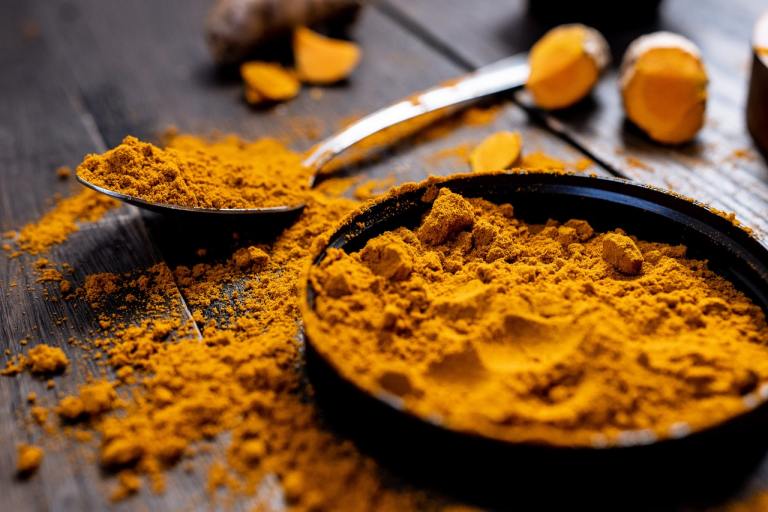
1. Turmeric

In the last few months everyone has been talking about Immense Medicinal Benefits of Turmeric Root, considered one of the oldest and most valued spices in traditional Chinese medicine. In addition to being a great culinary addition, turmeric is a powerful medicine that shines for its ability to reduce inflammation in the body. The main reason is associated with its content in curcumin (the active compound in turmeric) which has the power to block inflammatory cytokines and enzymes. In fact, there are numerous scientific studies, which have shown its benefits as one of the most powerful treatments against arthritis. Consuming it repeatedly translates into less swelling and pain in the joints.

Turmeric

Turmeric. / Photo: Pexels

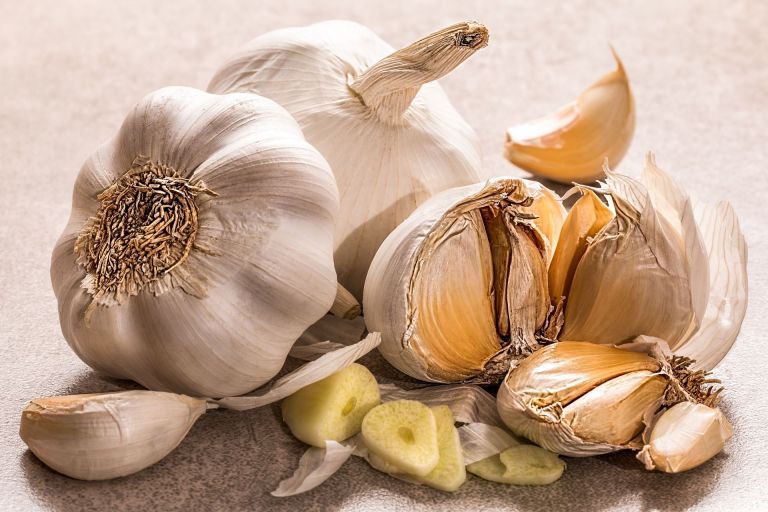
2. Garlic

Garlic is one of the most powerful natural medicines, not in vain it has been used since ancient times by various cultures to treat numerous health conditions. And if that were not enough, it is a delicious and important ingredient in the kitchen worldwide. Studies do not lie and have shown that the overwhelming medicinal benefits of garlic, which is why it has been used for centuries as a natural ally to offer protection against infections, heart disease and even certain types of cancer. Its content in a unique compound called diallyl disulfide, which is characterized by its immense anti-inflammatory potential that limits the effects of pro-inflammatory cytokines. Therefore, garlic can help fight pain, inflammation, and cartilage damage, typical symptoms of arthritis. The best recommendation is to bet on fresh garlic, since its medicinal properties will be obtained with much greater intensity. For those people who do not like its strong flavour and aroma, they can bet on the intake of natural supplements.

Garlic. / Photo: Pixabay

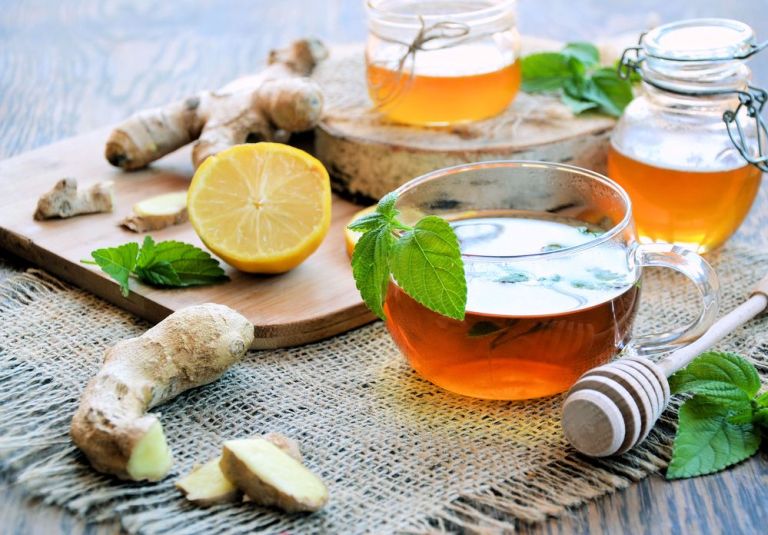
3. Ginger

We are not going to tire of talking about the immense medicinal power of ginger. It is simply one of the most popular spices for its healing potential. It also adds a unique spicy touch to all kinds of drinks and dishes. Although today we are quite familiar with its long list of benefits, including its benefits to improve digestion, strengthen the immune system, protect the respiratory system and in general prevent diseases. Specifically, it is the perfect natural supplement to treat arthritis, thanks to its content of two very powerful substances: gingerols and sogaols, which inhibit inflammation. In addition, there are some studies that have shown that ginger also reduce the symptoms of osteoarthritis. Best of all, it is wonderful to integrate it into your daily diet, experts recommend eating it fresh; It can be infused or as a key ingredient in morning smoothies and juices.

ginger

Ginger. / Photo: Shutterstock

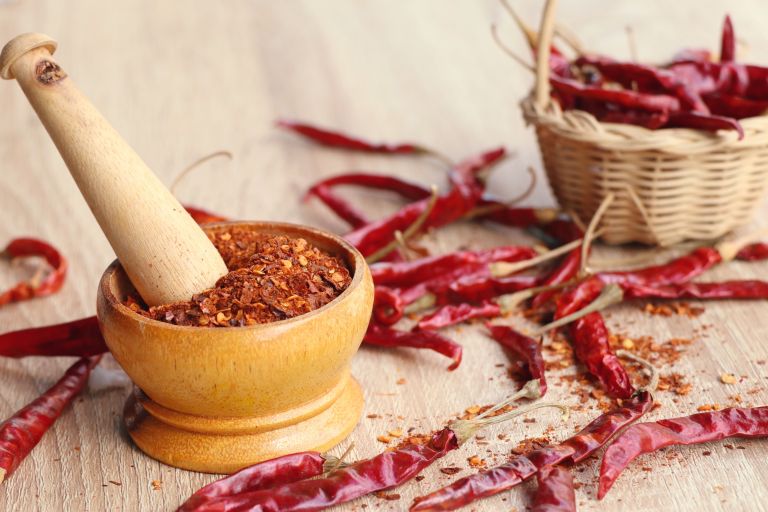
4. Cayenne pepper

We have good news for all lovers of spicy, cayenne pepper and chilli powder in general: are a powerful natural treatment to decrease the symptoms associated with arthritis. Everything is related to its high content of unique and most healing natural compounds: capsaicinoids, which shine for their anti-inflammatory properties. Best of all, cayenne and other dried chilies can be used in many ways as they flavour sauces, marinades and dressings to perfection. They will undoubtedly be a great ally to bring a unique flavour to dishes, while fighting swelling and chronic pain.

Cayenne pepper. / Photo: Shutterstock

5. Cinnamon

We can’t leave without talking about the wonderful cinnamon, one of the most popular and favourite spices of all time. It is incredibly aromatic and the perfect ally to fill all kinds of smoothies, herbal teas, oatmeal, cakes and cookies with flavour. Cinnamon contains cinnamaldehyde and cinnamic acid, both substances are characterized by their immense antioxidant properties that help to obstruct cell damage. In addition, of course, it is added with its anti-inflammatory properties and its content in volatile oils (melatonin and coumarin), which are associated with thermal effects on the body that may help relieve arthritis symptoms.

Apple with cinnamon

Infusion of apple with cinnamon. / Photo: Shutterstock


https://www.explica.co/arthritis-5-spices-to-fight-it-naturally.html

Thursday, 17 December 2020

Benefits of Cinnamon and Honey for Arthritis

From verywellhealth.com

Anti-inflammatory, antioxidant, and nutritional properties

Honey and cinnamon are typically known as sweet additions to recipes and warm beverages, but they may offer more than just great taste. Because honey and cinnamon have antioxidants and anti-inflammatory properties, they may also be able to help people with arthritis. 

Benefits for Arthritis Patients

Throughout history and still today, cinnamon has been considered a remedy for many ailments. It is used to relieve high blood pressure, toothache, arthritis, and more. Honey has been used for medicinal purposes for centuries and is known to have a number of amino acids, minerals, vitamins, and enzymes. Research also shows that honey may have some anti-inflammatory properties.

Honey and cinnamon are also used in Ayurvedic practices for items such as weight loss and indigestion. Ayurveda, which means “knowledge of life," believes in aligning balance within the mind, body, and spirit. It also follows the principle that disease is based on an imbalance in the body, stress, or the consciousness of the individual.

Cinnamon

Cinnamon is a spice that is sweet and has a lot of ingredients that are known to help your overall health. This spice has many nutrients such as fibre, calcium, iron, magnesium, phosphorus, zinc, and more. With its antioxidant properties—such as cinnamaldehyde and cinematic acid—it is known to inhibit cell damage in the body.

What Is Cinnamon?


Cinnamon is found from the bark of cinnamon trees. There are many types of cinnamon that come from different parts of the world. The roots, fruits, flowers, and leaves of cinnamon trees have been used for spices, cooking, and medicinal purposes. Some of its nutrients include calcium, protein, iron, vitamin D, and potassium.

Cinnamon

Cinnamon is also known to help patients with arthritis due to its heavy antioxidant and anti-inflammatory properties. Research has found that cinnamon has the highest antioxidant activity among 26 spices. Some of the antioxidant properties in cinnamon bark include: 

Procyanidin: This is also commonly found in fruits and vegetables such as berries, oranges, grapes, pineapples, carrots, eggplant, and nuts such as cashews, almonds, and walnuts. Procyanidins also have anti-inflammatory properties.

Catechin: This helps prevent cell damage due to its antioxidant properties. Research has also shown that this property can also inhibit cartilage breakdown in the body.

In addition, studies show that the numerous flavonoid compounds in cinnamon have anti-inflammatory properties.

How Much Cinnamon per Day for Arthritis Pain?

Researchers have found that cinnamon supplementation can be a potential treatment to improve clinical symptoms in people with rheumatoid arthritis and inflammation. However, before beginning to take cinnamon for your symptoms, speak to a health care professional.

Honey

Honey is a natural product that has been used since ancient times for its nutritional and medicinal purposes. Honey has also been described as an alternative treatment for clinical conditions. 

Honey

The main antioxidant properties in honey are flavonoids and polyphenols. These two properties have compounds that exert anti-inflammatory effects in honey. A study found that honey does have an inflammatory effect and can be used to treat chronic and acute inflammation.

Along with honey, apple cider vinegar is another popular item for multi-purpose use including treating some health ailments. Taken orally and used topically, there is not enough research to show that apple cider vinegar can help with arthritis.

Honey: Nutrition Facts

One cup of raw honey, according to the USDA, has potassium, protein, vitamin C, calcium, and iron.

Risks and Side Effects

Although cinnamon and honey are both known to help with arthritis. There are some risks. Honey can cause weight gain due to the calories and sugar. It is also known to cause a blood sugar spike. In cinnamon, there are amounts of coumarin. This can lead to liver damage and toxicity.

Preparation

There are many ways to incorporate honey and cinnamon into your diet and lifestyle. Adding it to oatmeal, teas, or smoothies are a great option. Cinnamon and honey are also great additions to recipes for lunch, dinner, and snacks.

A Word From Verywell

Honey and cinnamon are used for many purposes. Whether it is added in a tea or in a recipe, these are some known staples in households. There is also research regarding their medicinal purposes and benefits. If you are thinking about trying additional treatments to help arthritis, whether natural remedies, medication, or ointments, it is important to follow guidelines and suggestions from a health care professional. They can help you make the right decision.  

https://www.verywellhealth.com/benefits-of-cinnamon-and-honey-for-arthritis-5090309