Friday, 22 March 2024

Your Good Health: Mobility problems can happen to anyone

From timescolonist.com

While it is true that not exercising can lead to poor tolerance, most of the time, it isn’t a person’s fault that they have difficulty with mobility 

Dear Dr. Roach: I’m 79 and can move around without any problem. However, it seems that many people — some younger than I am — have mobility problems. I wonder what causes this problem: lack of exercise, genes, weight, etc.? I walk five days a week, and my weight is normal.

E.G.

Be very grateful that you can move around without a problem, as most people in their late 70s do have mobility issues. The most common reason is osteoarthritis, but there are many causes. Neurological diseases, cardiovascular issues and other types of arthritis are additional causes. While it is true that not exercising can lead to poor tolerance, most of the time, it isn’t a person’s fault that they have difficulty with mobility. Arthritis can happen to a person of any weight and any level of exercise.

Exercise helps the vast majority of people improve their mobility, but there are exceptions. Many people with myalgic encephalomyelitis/chronic fatigue syndrome are intolerant of exercise, and overdoing it can lead their condition to worsen. This syndrome has also been known as systemic exertion intolerance disease. Well-meaning physicians, friends and family could have recommended exercise, which may have caused the person to have a flare-up.

Although being very overweight increases the risk of arthritis, having a normal weight doesn’t prevent development of arthritis. Genetic influences are very complicated, but they also have a role in the development of osteoarthritis. Osteoarthritis can also come about as a result of significant trauma to a joint.

https://www.timescolonist.com/life/your-good-health-mobility-problems-can-happen-to-anyone-8466215

Wednesday, 20 March 2024

Are Swollen Lymph Nodes a Sign of Rheumatoid Arthritis?

From healthcentral.com

When inflammation is high, these bean-shaped glands kick into overdrive—and may make themselves more noticeable 

Like many parts of the body, the lymph nodes are invisible labourers: We tend not to appreciate the work they do until they start acting up. Located throughout the body, these small, bean-shaped glands belong to the lymphatic system, a network of fluid-filled channels that are part of the immune system, according to the National Library of Medicine. When you have an autoimmune condition, like rheumatoid arthritis (RA), your immune system is constantly on high alert fighting off what it perceives to be a foreign invader. For some people, that may translate to swollen lymph nodes, particularly when the disease isn’t well controlled.


Can RA Cause Swollen Lymph Nodes?

The lymph nodes’ primary job is to filter out harmful substances, like germs and other foreign substances, per the NLM. They do this all day every day without our awareness, but when they have to kick into high gear to fight off an enemy (like an infection or a malignancy) they produce so many immune cells that it causes them to swell—sometimes, getting big enough that you can feel them in the areas where they cluster: your neck, underarms, abdomen, or groin.

Swelling of the lymph nodes is known as lymphadenopathy. For some people, it’s a symptom of RA. “It’s possible for active RA inflammation to include the lymph nodes,” says Charis Meng, M.D., rheumatologist at Hospital for Special Surgery in New York City. Swollen lymph nodes are quite common in RA, with some studies finding that up to 82% of people with the disease experience it, according to research on lymphadenopathy in rheumatological conditions published in Rheumatology. RA tends to affect the lymph nodes near actively inflamed joints in particular, though the research notes that less commonly, people may experience more generalised lymph node swelling (in two or more areas) along with symptoms like fever, weight loss, and fatigue as early signs of RA. 

                                                                                              GettyImages/stefanamer

Exactly why lymph nodes swell with RA is unclear, but experts suggest that it has something to do with the role of the lymph nodes in managing inflammation. “The lymph nodes are like the little trash collectors of the body, so when the body is inflamed and trying to fight off different things, the lymph nodes can become big and swollen,” Daniele Marcy, M.D., a fellow in rheumatology at the University of Colorado Anschutz Medical Campus in Aurora, CO. It’s not that RA attacks the lymph nodes, but that the inflammation of RA kicks this part of the immune system into high gear.

Other Possible Causes of Swollen Lymph Nodes

If your RA is very active—you’re experiencing a lot of joint inflammation and pain and swelling —and you have swollen lymph nodes, the two could be related, Dr. Meng says. But if your RA is well controlled or you’re experiencing other symptoms, then it’s more likely something else is causing these glands to swell up. Common causes of swollen lymph nodes include:

  • Colds, flus, and other viruses

  • Ear infections

  • Skin infections

  • Mononucleosis

  • Tonsillitis

  • Sexually transmitted infections

  • Recent vaccination

  • Lymphoma and leukemia

  • Certain medications

Treating Swollen Lymph Nodes

To get rid of swollen lymph nodes, you’ll need to treat whatever is causing them—or, in some cases, just wait it out. For example, you may require antibiotics if you have a bacterial infection that can be treated with one. If you’ve started a new medication recently, your doctor can help you determine if that’s causing your swelling and whether to discontinue it. If you have a virus, you may just need to take medication like acetaminophen or ibuprofen to address your symptoms and help with the inflammation until your body fights it off, Dr. Marcy says. If the swelling is a reaction to a vaccine, it should start to go down within a week, and be gone by about two weeks at most, Dr. Marcy adds.

If lymph node swelling is related to RA, getting on the right RA treatment should resolve the swelling, too, Dr. Meng says.

Rheumatoid Arthritis and Lymphoma

You may or may not be aware that there is an association between RA and lymphoma, cancer that begins in the lymphatic system and can cause swollen lymph nodes as an early symptom. “In general, with any chronic inflammatory condition, including RA, there can be an increased risk of lymphoma,” Dr. Meng says. When the immune system is chronically overstimulated, it’s too busy fighting itself to function optimally, which can ultimately increase the chances that cancer can develop, she explains. People with RA have a 10 to 30% higher risk of cancer than the general population, and a 60 to 80% higher risk of lymphoma in particular, according to a study on cancer risk in RA in The Lancet Regional Health.

However, Dr. Marcy notes that the overall risk of developing lymphoma remains quite low. Dr. Meng agrees, “The risk is about 2% in the general population, so doubling that for a person with RA, we’re still talking pretty small numbers.”

This is another reason why it’s important to get on the right RA treatment, to support the healthy functioning of the immune system. “Successful treatment of RA, where inflammation is reduced, has been shown to reduce mortality in general,” Dr. Meng says. “We can reduce these risks with good treatment.”

When to Talk to Your Doctor

If you have RA and are experiencing swelling in your lymph nodes, Dr. Meng says it’s a good idea to mention it to your rheumatologist, so they can keep track of it. Once you’re on treatment and your other RA symptoms begin improving, the lymph node swelling should resolve, too; if it’s been three or four weeks and they’re still swollen or getting larger, let your doctor know, she says. They may want to run additional tests to make sure you’re responding to your RA medications and there isn’t something else putting extra strain on your immune system and causing the swelling.

Takeaways

If you have RA and are experiencing a lot of inflammation, you may notice some of your lymph nodes are larger than normal. This usually isn’t anything to be worried about, and once you control the inflammation with RA treatment, the swelling should go down. Your lymph nodes could be swollen for another reason, such as an infection or illness that will pass on its own or easily with treatment (like antibiotics).

Rarely, swollen lymph nodes could be a sign of lymphoma, a type of cancer of the lymphatic system that people with RA tend to get at higher rates than people without the condition. If you have swollen lymph nodes that aren’t associated with an illness or infection, or that persist despite getting your joint pain and inflammation under control, talk with your doctor, who can help you figure out what’s causing the swelling and how to treat it, if necessary.

https://www.healthcentral.com/condition/rheumatoid-arthritis/rheumatoid-arthritis-lymph-nodes

Sunday, 17 March 2024

What causes Rheumatoid arthritis and can you prevent it?

From telegraph.co.uk

The autoimmune disorder can be debilitating, but lifestyle changes and up-to-date treatments offer hope for millions 

Rheumatoid arthritis is chronic, long-lasting and incurable, but a recent trial has raised hopes that it could be preventable.

The trial focussed on a pre-existing arthritis drug, abatacept, usually a second or third line treatment for those with fully established Rheumatoid arthritis (RA). This time though, it was given to patients who had not yet developed the disease, but were assessed as high-risk. After a year, just 6 per cent had developed RA compared with 29 per cent who were taking a placebo. It offers hope to millions.

RA is the most common form of autoimmune inflammatory arthritis, and it happens when the immune system misfires, attacking our own bodies at the joints, resulting in hot, red, painful inflammation. Abatacept dials down the T cells involved in our immune system’s inflammatory response (a response that’s helpful when tackling a pathogen, but not when it’s attacking healthy tissue.) The next stage, say researchers, is to assess who would benefit most from receiving the drug.

So who is at risk of RA, what are the signs and what current treatment paths are available?

Signs and Symptoms: how does RA feel?


“Rheumatoid arthritis might sneak up on you with occasional pain in the joints of your hands or feet, or in some cases, you might wake up one morning in such stiffness and pain, you can’t move parts of you,” says Dr Wendy Holden, a consultant rheumatologist at Arthritis Action.

Essentially, RA is swelling, stiffness, warmth, redness and pain at the joints, which is almost always worse in the morning and after long periods of resting. (This early morning stiffness and pain can last for two or three hours.) “It’s most common in the joints of the hands and feet, but you can get it in the other joints in between – the shoulders, elbows, knees and ankles,” says Dr Holden. “Swelling is key. You can see it. Your fingers might look swollen. Your shoes can feel tighter. In the worst, untreated cases, it can make hands look like boxing gloves. It can also make you very tired, lethargic and off your food.”


Who is most likely to develop RA?

“The peak age of onset is 46 to 70,” says Dr Benjamin Ellis, a consultant rheumatologist and senior clinical advisor for Versus Arthritis. “You’re more at risk if a parent or sibling has it, and it is more common in women.” (Women are two to three times more likely to develop RA.) If you are overweight or a smoker, you’re also more likely to get RA. There is some evidence that eating a lot of red meat and not consuming enough Vitamin C can also raise your risk.

                                                     Symptoms often begin in the late 40s CREDIT: Jan-Otto/E+


What causes RA?


To be blunt, we don’t know, although it’s believed to be a combination of genetic and environmental factors. “RA happens when the immune system goes wrong and starts attacking the joint. No one knows the trigger, although there are a lot of theories,” says Dr Holden. “Stress is thought to be one trigger. Another theory is that it is triggered by some infection in susceptible people.” Gum disease has been highlighted as one suspect. Another is the Epstein Barr virus. In truth, there isn’t solid evidence for any one single trigger.

How is RA diagnosed?


Ideally, as quickly as possible. Swift diagnosis and treatment make a huge difference to long-term prognosis. “All the time that you’re not treating RA, the immune system is attacking the joints, eating holes in the cartilage that coats the joints and once it’s gone, you can never get it back – we don’t have the technologies to do that yet,” says Dr Ellis.

“The National Institute for Health and Care Excellence (NICE) guidelines say that GPs should refer anyone with suspected RA to a rheumatology team within three working days and that treatment should start no more than six weeks from the time of referral.”

Diagnosis can be straightforward, says Dr Holden. “Often, the symptoms and the swelling are so distinctive, you know as soon as a patient walks in the door. Blood tests can also give a good indication, if they reveal certain inflammatory markers and antibodies produced by the immune system known as anti-CCP. We can also look for inflammation and damage inside the joints through X-Rays, ultrasound or, less commonly, MRI scans.”

How serious is RA?


“At its worst, and when left untreated, it can be absolutely devastating, and not compatible with normal life,” says Dr Holden. Pain and flare-ups can stop you from being able to work. Untreated RA can lead to permanent damage in the bone and cartilage, ruptured tendons and joint deformities. Having RA also increases your risk of cardiovascular disease and certain cancers including lung and prostate, although reasons are unclear and could be down to common risk factors such as smoking and being overweight.

Inflammation in your lungs can lead to conditions such as pleurisy, pulmonary fibrosis or chronic obstructive pulmonary disease (COPD). Depression is a frequent comorbidity to RA with prevalence two to three times higher than in the general population.

The treatment options


“The main treatment aim is to control and rebalance the immune system,” says Dr Ellis. The last few decades have seen huge progress in our ability to do this. Conventional Disease Modification Anti-Rheumatic Drugs (cDMARDs), such as low dose methotrexate, are usually the first step, given in tablet form. They work simultaneously across many different pathways to control the immune system.

If trying two cDMARDs has not been effective, the next step is to take biological DMARDS (bDMARDs), a more precise tool.

“These have transformed the lives of hundreds of thousands of people globally when conventional medicine hasn’t worked,” says Dr Ellis. “Their genius is that they use a trick of the immune system to control the immune system itself.”

These bDMARDs involve artificial antibodies created in a lab that are administered by injection. In the most common of these, known as anti-TNF therapies, the antibodies lock on to a cytokine called TNF, the “chemical messengers” in our bodies that cause joints to become inflamed. The presence of these antibodies on the cytokines signals to the immune system to clear them up. Most patients self-inject these antibodies at home using a pre-filled device a bit like an EpiPen – it could be once a week, once every fortnight, monthly or even less frequently. 

“Initially, biologics were very costly, and NICE only allowed them for people with the most severe disease,” says Dr Ellis. “As costs have fallen, people with moderate disease have been able to access them too.”

Later breakthroughs are JAK inhibitors that work by blocking the signalling system in the white blood cells in order to stop them from continuing the immune system attack. 

“A huge frustration is that the only way to know which treatment will work best for any given person is to try one for a bit, then if that doesn’t work try another for a bit, and so on,” says Dr Ellis. “Maybe in the future, perhaps before I retire, we’ll have a blood test, or a test of fluid taken off the joint or a biopsy, that can tell you which treatment you’d respond to. Then we could go straight for the treatment that would work best for you.”

In addition to medicines to control RA’s progression, a doctor may prescribe pain medicines such as paracetamol, ibuprofen or steroids delivered through tablet or injection.

How can I manage my arthritis?


“Take your medication on schedule,” says Dr Holden. “Once your immune system is under control, the aim will be to carefully reduce the medication with the support of your doctor and see how low you can go. In some cases, you might be able to stop taking it.”

Exercise is also important. “Inflammation causes loss of muscle so wastage is part of the condition,” says Dr Holden. “Exercise can reduce that risk, make your muscles strong, keep joints mobile and help improve fatigue and pain. It’s also good for your mental health.”

Maintain a healthy weight and eat a Mediterranean diet with a range of different coloured fruit and vegetables to increase the antioxidants that can reduce inflammation. “Avoid ultra-processed food and sugars and not too much red meat,” says Dr Holden.

Eating oily fish is beneficial – its long-chain omega-3 polyunsaturated fatty acids can reduce inflammation and disease activity in RA. “There is probably much more to uncover about diet and RA,” says Dr Holden. “The role of the gut microbiota in maintaining the immune system and inflammatory response is an exciting area of research although we’re not there yet.” Lastly, don’t smoke! It causes whole-body inflammation, one of the main triggers for arthritis, and also substantially reduces the effectiveness of certain RA medications.

What is the best treatment for RA?


You might be doing all the right things and still get flare-ups – so managing your response and finding a way to live your life fully is key. Trials of CBT for people with RA found that it significantly improved fatigue, mental health and sleep patterns. The programme involved people keeping a daily diary of thoughts and feelings, and learning ways to plan and prioritise their days, building in regular rest breaks, noting and managing stress triggers and breaking unhelpful thinking patterns.

Pain is complicated. It’s the body’s response to threat – and if we are tired, unsupported, lonely, sleep-deprived, that threat is greater and our pain response is worse. “This is why tackling sleep problems and stress, and finding support can ease physical symptoms,” says Dr Holden.
“You can feel very out of control when you’re diagnosed with RA, so learn as much as you can about the condition,” Dr Holden continues. “Be assertive and get help if you need it.” 

Find the ways of easing symptoms that work for you – for example, hot or cold therapy through heat pads or ice packs, hydrotherapy, physiotherapy, splints for hands, cushioned insoles from a podiatrist, an array of household gadgets and adaptations can all to make every-day life easier.

https://www.telegraph.co.uk/health-fitness/conditions/bones-joints/rheumatoid-arthritis-causes-symptoms-treatments/

Thursday, 7 March 2024

Why Women Are at Higher Risk for Getting Arthritis

From hss.edu

Women may be more likely to develop the disease for reasons they control, and some they can’t

Osteoarthritis (OA), a painful condition that involves the breakdown of a joint, is not an equal-opportunity disorder: It appears to favour women, particularly after menopause. Take, for example, the occurrence of knee OA. In people 40 to 49 years old, about 10% of women and 7% of men have knee OA. Between 60 to 69 years, that prevalence rises to 35% in women and 19% in men. “There appears to be a sharp increase in osteoarthritis rates around age 50 years in women, while this increase is not seen in men,” says Jaclyn McKenna, MD, a primary sports medicine physician at HSS. “Then after about 70 years of age, the incidence of osteoarthritis becomes similar again.”


Why the difference? “It is still unclear,” says Dr. McKenna, “but the disparity is likely due to combination of factors.” She shares more on some possible explanations below.[1]

Weight

By far the most important risk factor for OA, in women or men, is obesity, says Dr. McKenna. “Not only is there increased stress on the joints, but there are likely inflammatory factors related to obesity that also contribute to the progression of osteoarthritis,” she adds [2]. Weight gain is common during menopause, so this may partially explain the rise in OA seen in women during that period. But even when controlled for body mass index (BMI), women experience cartilage loss at a higher rate than men, Dr. McKenna says [3,4]. 

Anatomy

Another possible explanation is anatomical: Because women have wider hips than men, this can place a slightly greater load on the outer portion of the knee. However, studies suggest that limb alignment itself does not account for the observed differences between women and men, Dr. McKenna says [2].

Women are also more likely to develop a condition called patellofemoral syndrome, in which the kneecap (patella) does not glide smoothly over the joint and instead rubs against the lower part of the thighbone (femur), resulting in pain. “This can be associated with bony malalignment, in which the bones don’t line up correctly; looseness in the knee joint; or decreased muscle strength,” says Dr. McKenna. This constant rubbing of the kneecap on the thighbone causes wear and tear that can progress to arthritis.   

“While we know that knee-muscle weakness is common in patients with osteoarthritis, the cause-effect relationship between weakness and knee osteoarthritis is not clear,” she adds. “Also, this association occurs in similar rates for men and women [2].”  

Hormones

Because the prevalence of OA in women increases around the time of menopause, hormonal factors likely also play a role, Dr. McKenna says. “We know that periods of increased oestrogen levels, such as during the active phase of the menstrual cycle or during pregnancy, are associated with increased looseness in the knee joint[5].” Additionally, oestrogen and other hormones seem to play an important role in inflammatory or chondrocyte metabolism pathways[6].  Research exploring the influence of hormones on osteoarthritis is continuing.

Sports

Another theory relates to sports injuries. Female athletes experience anterior cruciate ligament (ACL) tears at a higher rate than males, and ACL tears are associated with an increased risk of osteoarthritis, even after surgical repair. One study found that among female soccer players who sustained ACL injuries, more than half developed x-ray signs of osteoarthritis in the following 12 years [7]. 

Social and Societal Differences

Finally, gender differences in financial resources, social support, decision-making behaviour, and access to care may also contribute to the differences in OA development between women and men, says Dr. McKenna [8]. “Interestingly, women tend undergo joint replacement surgery at a more advanced disease stage compared to their male counterparts,” she adds [9]. 

How Women Can Prevent and Manage Risk for Osteoarthritis

Women of all ages should take precautions to reduce their risk of developing osteoarthritis or, if they already have it, to manage it well:

  • Keep yourself at a healthy weight.
  • Include exercise in your daily routine.
  • Stay strong and flexible to reduce your risk of injury.
  • See your doctor to determine the best treatment if you are experiencing arthritis symptoms.

Citations:

[1] Cui A, Li H, Wang D, Zhong J, Chen Y, Lu H. Global, regional prevalence, incidence and risk factors of knee osteoarthritis in population-based studies. EClinicalMedicine. 2020;26;29-30:100587.
[2] Nicolella, D.P., O’Connor, M.I., Enoka, R.M. et al. Mechanical contributors to sex differences in idiopathic knee osteoarthritis. Biol Sex Differ. 2012; 9(28).
[3] Brennan SL, Cicuttini FM, Shortreed S, Forbes A, Jones G, Stuckey SL, Wluka AE. Women lose patella cartilage at a faster rate than men: a 4.5-year cohort study of subjects with knee OA. Maturitas. 2010;67(3):270-4. 
[4] Ferre, Isabella M. MPH; Roof, Mackenzie A. BSc; Anoushiravani, Afshin A. MD; Wasterlain, Amy S. MD; Lajam, Claudette M. MD. Understanding the Observed Sex Discrepancy in the Prevalence of Osteoarthritis. JBJS Reviews. 2019; 7(9):p e8.
[5] Shultz SJ, Sander TC, Kirk SE, Perrin DH. Sex differences in knee joint laxity change across the female menstrual cycle. J Sports Med Phys Fitness. 2005 Dec;45(4):594-603.
[6] Tang J, Liu T, Wen X, Zhou Z, Yan J, Gao J, Zuo J. Estrogen-related receptors: novel potential regulators of osteoarthritis pathogenesis. Mol Med. 2021 Jan 15;27(1):5. 
[7] Lohmander LS, Ostenberg A, Englund M, Roos H. High prevalence of knee osteoarthritis, pain, and functional limitations in female soccer players twelve years after anterior cruciate ligament injury. Arthritis Rheum. 2004;50(10):3145-52. 
[8] Hawker GA, King LK. The Burden of Osteoarthritis in Older Adults. Clin Geriatr Med. 2022;38(2):181-192.
[9] Tonelli SM, Rakel BA, Cooper NA, Angstom WL, Sluka KA. Women with knee osteoarthritis have more pain and poorer function than men, but similar physical activity prior to total knee replacement. Biol Sex Differ. 2011 Nov 10;2:12


Tuesday, 5 March 2024

Joint Pain + Rash May Be Early Warning Signs of Psoriatic Arthritis — Here’s What Can Help

From yahoo.com/lifestyle

Sore, stiff joints are more than just a nuisance. When pain flares up, it can sometimes make even simple tasks like driving or writing challenging. But what you might not know is that if your joint pain occurs alongside skin-related symptoms, it could point to an autoimmune disease like psoriatic arthritis (PsA). So, what are the early warning signs of psoriatic arthritis, and why do they matter?

To answer these questions, we connected with top rheumatologists. Here, doctors explain what psoriatic arthritis is, what everyone with joint pain should look out for and the best home remedies to ease symptoms.

What is psoriatic arthritis?

“Psoriatic arthritis is an inflammatory condition that generally involves the skin, nails and also the joints,” explains Aly Cohen, MD, an integrative rheumatologist and the author of Non-Toxic: A Guide to Living Healthy in a Chemical World. “It’s an autoimmune disease, which means that your immune system recognizes your body as the enemy, particularly your joints and skin.”

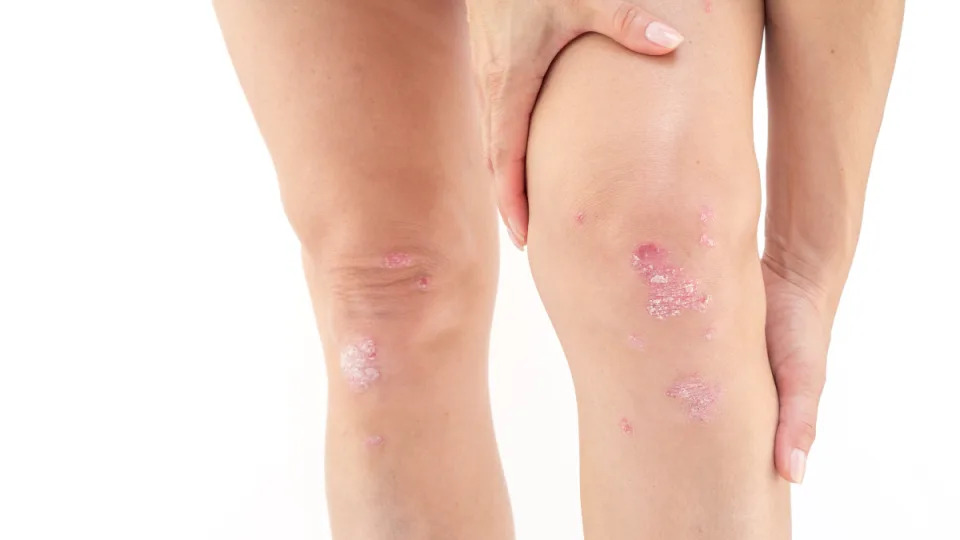
Without treatment, psoriatic arthritis can cause permanent joint and tendon damage, affecting your mobility and quality of life. Although there’s no cure, a personalized treatment approach can relieve pain, reduce inflammation and preserve your mobility.A close-up of a woman's knees with a rash, which is an early warning sign of psoriatic arthritis                                                                                                          Natalia SERDYUK/Getty
Risk factors for psoriatic arthritis

Dr. Cohen says that researchers aren’t yet sure why some people get psoriatic arthritis and others don’t. “There are a lot of different theories and associations, but there’s no direct cause and effect,” she says. “We know that the immune system gets tricked up and all of a sudden starts fighting itself.”

Some of the factors thought to contribute to psoriatic arthritis include:

  • Genetics

  • Family history (about 40% of psoriatic arthritis patients have a family history of the condition)

  • Lifestyle (such as diet and exercise)

  • Stress

  • Smoking

  • Environmental factors (such as exposure to pollutants and/or toxic chemicals)

The gut biome may also play a role, according to Dr. Cohen, because our stomachs “act as an entrance to our immune system process.”

Psoriatic arthritis is different from other arthritis types in that it affects people of all ages, from children to adults. This makes the disease somewhat unpredictable. Consider that “approximately 2% of the general population has psoriasis,” says Brett Smith, DO, a rheumatologist based in Knoxville, Tennessee. “Of those individuals, around a third to a quarter will develop psoriatic arthritis in their lifetime.”

What are the early warning signs of psoriatic arthritis?

The condition ranges in severity and affects everyone differently. Here are some of the most common early warning signs of psoriatic arthritis to look out for:

1. Skin rash

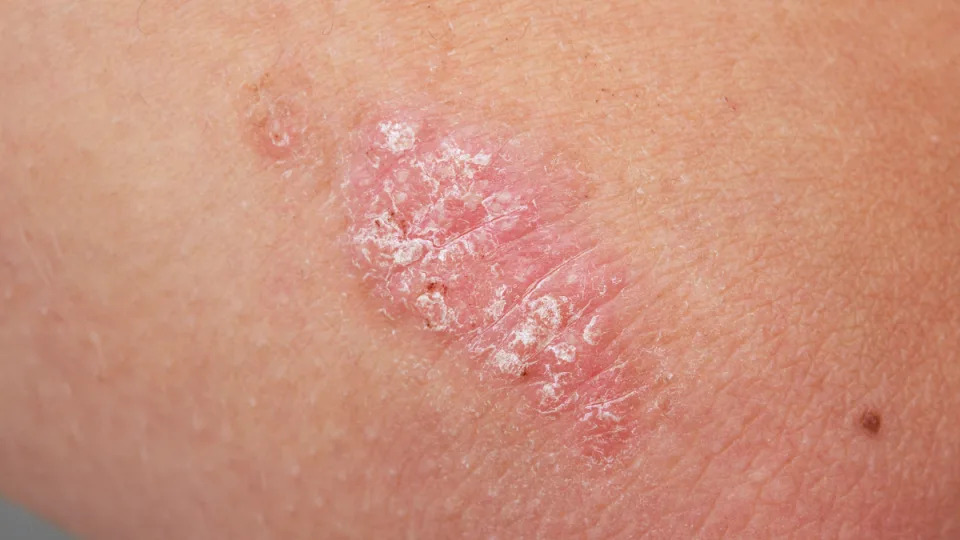
One of the most obvious early warning signs of psoriatic arthritis is a rash with raised patches of red, angry-looking skin. These patches often have white or silvery scales called plaques that itch and burn. A psoriatic arthritis rash can form anywhere on the body, but Dr. Cohen says they’re most common in places like the scalp, ears, elbows and knees.Psoriasis plaque or skin rash                                                                                                   RUTH JENKINSON/Getty
2. One-sided joint pain

Like other types of arthritis, psoriatic arthritis causes the joints to become “stiff, painful, swollen and tender with a reduced range of motion," says Marina Magrey, MD, a professor of medicine at Case Western University and the Chief of Rheumatology at UH Cleveland Medical Centre.

However, Dr. Cohen says these symptoms “tend to be very asymmetrical compared to rheumatoid arthritis.” For example, you might have chronic pain in the lower left of your back but not on the right, or vice versa. Similarly, you might notice your right knee and elbow have a rash, but the same joints on the opposite side of your body don’t.

3. Swollen fingers

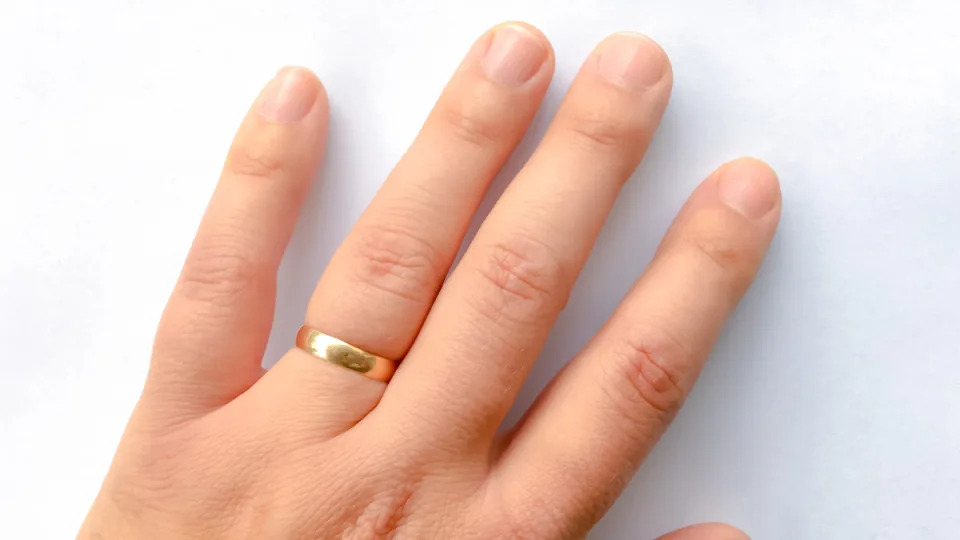
Another one of the common early warning signs of psoriatic arthritis? Dactylitis, or what Dr. Cohen calls “sausage digits”. This causes the joints in your fingers or toes to swell and turn red, almost as if they look like sausages. This can be especially painful and may affect your ability to use your hands and fingers during everyday tasks.A swollen hand, one of the early warning signs of psoriatic arthritis, with a gold wedding band                                                                                                          Ville Heikkinen/Getty
4. Nail pitting

Sometimes, psoriatic arthritis affects the health and integrity of the fingernails and toenails. Dr. Cohen says that many people with PsA experience “what’s called nail pitting or nail pits, where there are little dots [or indentations] on the nails.” Since nail pitting affects 10-50% of people with psoriasis, if it occurs, it’s a  good indication you’re at risk of psoriatic arthritis. (Click through to learn more about dents in fingernails and the health conditions that cause them.)

How psoriatic arthritis is diagnosed

If you have any of the above early warning signs of psoriatic arthritis, schedule a visit with your primary care physician for a rheumatologist referral. Dr. Cohen says that not all doctors have the experience or knowledge to diagnose psoriatic arthritis, so it’s beneficial to work with an expert.

Because psoriatic arthritis presents such a wide range of symptoms, there isn’t a single test used to diagnose it. Instead, Dr. Magrey says screening involves a process of elimination.

Here’s what to expect: “Your doctor gathers a comprehensive medical history and tries to tease out where you’re hurting,” Dr. Magrey explains. “She’ll perform a physical exam, looking at your skin and checking your affected joints and tendons for inflammation. She may order some blood tests, like markers for inflammation, and order MRIs or X-rays to look for active inflammation in your tendons and joints.”

Dr. Cohen says that this comprehensive diagnostic approach helps confirm you have psoriatic arthritis while ruling out other conditions that present similarly.

How to ease psoriatic arthritis symptoms

You might think that the only way to manage psoriatic arthritis is with prescription medication, but that often isn't the case. Dr. Cohen says that for many folks, healthy lifestyle changes reduce inflammation, minimize flare-ups, and prevent permanent joint and tissue damage. Here's how to keep psoriatic arthritis in check:

1. Opt for whole foods

“[Whenever I’m working with a new patient] I always start with their diet,” Dr. Cohen says. “Lots of the chemicals in our food, and even gluten, affect the gut microbiome and have even been associated with symptom exacerbation.”

A smart bet: eating more whole foods and fewer processed items. Dr. Cohen says you don’t have to follow a specific diet, but should aim to include fruits, vegetables, whole grains, healthy fats and lean proteins in your snacks and meals.

Several studies have found that plant-based diets in particular reduce inflammation and pain perception in people with arthritis. Likewise, a cleaner diet can help you maintain a healthy weight and take pressure off sore joints, bones and tendons. (Click through for more of our best arthritis self-care tips.)A bowl of oatmeal with fresh blueberries and strawberries set on a dish towel                                                                                                                           Arx0nt/Getty

2. Get your beauty sleep

Sound sleep is essential for feeling your best. But if you have psoriatic arthritis, those Zzzs can be hard to catch. The reason? 30-80% of people with PsA report sleep problems, since joint and skin pain can make it difficult to doze off. And in a vicious cycle, that lack of sleep can make symptoms worse.

“Getting good sleep is very helpful for pain perception and pain management,” Dr. Cohen explains. For sounder rest, keep your room at a comfortable temperature, go to bed at the same time each night and turn off electronics at least 30 minutes before bed.

3. Use a faucet filter

Up to 45% of the nation’s tap water contains "forever chemicals" or PFAS. These substances have been linked to health problems such as autoimmune diseases. “Contaminated drinking water is probably associated to a large degree [with the rise in autoimmune disease],” Dr. Cohen says. “That’s why I argue for cleaner drinking water, because it’s such a large source of these immune system-altering chemicals.”

The good news: Cleaning up your drinking water is easier than you may think. All you need is a faucet-mounted filter containing activated carbon or reverse osmosis membranes, which helps remove PFAS from tap water. One to try: Brita Faucet Water Filtration System (Buy on Amazon, $30.79).A woman wearing a blue shirt and jeans drinking a glass of water in her kitchen                                                                                                    fcafotodigital/Getty

4. Try Omega-3s

Omega-3 fatty acids are healthy fats that act as anti-inflammatories. It’s possible to get them through foods such as fatty fish, nuts and seeds. But if those aren't part of your regular diet, a supplement can help.

“I would argue that having the right supplements for inflammation, like high-quality, well-sourced Omega-3 fish oil can be very helpful,” Dr. Cohen says. “The two most important things to look for on the label are DHA and EPA fatty acids. These healthy fats have the greatest anti-inflammatory effects.”

Dr. Smith recommends supplements from Pure Encapsulations or Thorne "for the purity of each supplement and the research behind their products.” Two to try: Pure Encapsulations O.N.E. Omega (Buy from Pure Encapsulations, $43) and Thorne Super EPA (Buy from Thorne, $42). (Click through to see how omega-3s aid weight loss, too.)

5. De-stress

Many people with psoriatic arthritis say their symptoms get worse when they feel anxious or overwhelmed. That’s because stress activates the body’s inflammatory response, kicking pain and swelling up a notch. Stress is also a common psoriasis trigger. Up to 88% of psoriasis patients report that stress often precipitates a flare.

You may not be able to avoid stress completely, but mindfulness practices like meditation can help. Sound intimidating? It doesn't have to be! Simply taking a few moments to focus on the here and now can help you let go of your worries.

6. Sink into a soothing soak

Warm water does wonders for sore muscles and swollen joints. It can also soothe inflamed and irritated skin, reducing common psoriatic arthritis symptoms like redness and itching. To boost the benefit, stir Epsom salts into your soak. The salt's magnesium sulfate is an effective analgesic for both acute and chronic pain. Plus it helps moisturize skin, minimizing scaly, dry patches. (Click through for 10 other brilliant uses for Epsom salts).A blonde woman in a bubble bath                                                                                                    David Lees/Getty

Early warning signs of psoriatic arthritis: Prevention is key

The old proverb “an ounce of prevention is worth a pound of cure,” is particularly relevant if you have psoriatic arthritis. Dr. Cohen says that because it’s a systemic disease, you need to focus on whole-body health.

“Make sure to schedule routine eye exams, because psoriatic arthritis can affect your vision," She says. "Likewise, make sure you’re getting regular dental cleanings. There’s some connection in terms of the gut microbiome and infections in the mouth. Health maintenance is really important for just keeping the disease in remission. It can prevent it from getting worse and help prevent flares, too.”

https://www.yahoo.com/lifestyle/joint-pain-rash-may-early-141914948.html