Wednesday, 14 January 2026

Osteoarthritis – symptoms, causes, and ways to cope

From restless.co.uk 

Osteoarthritis is a condition that causes pain and stiffness in the joints. According to the NHS, it’s the most common type of arthritis in the UK and affects around 10 million people.

The condition can affect a person’s mobility, mental wellbeing, and overall quality of life, so taking steps to prevent or manage symptoms can make a real difference.

Here, we’ll cover exactly what osteoarthritis is – including symptoms, causes, prevention, and tips for coping. We hope you find it useful.

What is osteoarthritis?What is osteoarthritis?

Osteoarthritis causes joints to become stiff and painful. It initially affects our joints’ smooth cartilage (which lines the surface and caps the ends of our bones), making it more difficult to move. Once the cartilage lining has begun to thin, tendons and ligaments have to work harder to move joints, which can cause them to swell and develop bony lumps (osteophytes).

Osteoarthritis can affect almost any joint in the body, but most commonly occurs in the hands, fingers, hips, knees, shoulders, and spine (typically the neck or lower back). While it can affect people of any age, it’s most common in older adults.

Osteoarthritis is often confused with osteoporosis because people can have both conditions simultaneously; however, each is distinct. While osteoarthritis causes pain in joints and reduces their function and mobility, osteoporosis is caused by a loss of bone mass, which increases a person’s risk of fractures and injury.

The condition also differs from rheumatoid arthritis, which is another form of arthritis that causes the immune system to attack joints, often leading to pain and swelling.

What are the symptoms of osteoarthritis?

What are the symptoms of osteoarthritis?

Joint pain, stiffness, and reduced joint mobility are some of the most common osteoarthritis symptoms.

Other symptoms can include swelling and tenderness, and grating, clicking, cracking, or popping sounds when joints are moved. Some people may also have extra lumps of bone in their joints, or find that their joints look slightly bigger or more ‘knobbly’ than usual.

The severity of symptoms can vary from person to person and differ between individual joints. For example, some people might find that their symptoms come and go, or are mild, while others may experience more severe, continuous symptoms that can make it difficult to carry out daily activities.

We’ll cover some of the main types of osteoarthritis below, along with their symptoms…

Osteoarthritis of the knee

Osteoarthritis of the knee can make walking painful, particularly when going up or down stairs or hills.

You may find it difficult to straighten your legs, hear grating sounds when you move the joint, or find that your knees feel as though they might ‘give way’ beneath you.

Osteoarthritis of the knee usually affects both knees over time – unless it’s the result of an injury or other condition that only affected one knee.

Osteoarthritis of the hand

Osteoarthritis tends to affect three main areas of the hand – the base of the thumb, the middle joints of the fingers, and the joints closest to the fingertips.

Symptoms include fingers becoming stiff, painful, swollen, and bending slightly sideways. Some people may also have bumps on their finger joints or painful cysts on the back of their fingers. In some cases, a bump can also develop where the base of the thumb joins to your wrist.

Osteoarthritis of the hand can make it difficult to perform manual tasks such as opening jars, writing, and turning keys.

Osteoarthritis of the hip

Osteoarthritis of the hip can impact the movement of hip joints – for example, making it tricky to get in and out of a car or put on shoes.

It can also cause pain in the groin or outer hip, which can grow more intense when you move around.

What causes osteoarthritis?

What causes osteoarthritis?

Osteoarthritis is caused by damage to joints. In part, this is a normal process of life as our joints are exposed to constant low-level damage – for example, through everyday activities such as running, repetitive motions like typing, and sitting in a cramped position for long periods.

In most cases, the body repairs itself, and you won’t experience symptoms. However, osteoarthritis occurs when the damage is more severe and the protective cartilage at the end of bones breaks down.

Damage to the protective cartilage can progress over time, which is why age is a major risk factor for osteoarthritis. That said, the condition can occur at any point, and there are several other risk factors to consider. These include…

  • Obesity – being obese places excess strain on the joints, particularly on those responsible for bearing most weight, such as the hips and knees.
  • Previous injury – for example, dislocated joints, torn cartilage, or ligament injuries – and overusing a joint when it hasn’t had enough time to heal.
  • Other health conditions – osteoarthritis can occur in joints that have been damaged by another condition, such as gout or rheumatoid arthritis. Diabetes has also been identified as a risk factor. In fact, according to experts, almost half of adults with diabetes also have arthritis.
  • Family history – research suggests that osteoarthritis may run in families, although studies have yet to identify a single gene responsible for this.
  • Gender – due to factors like menopause, which can cause loss of bone mass, women have a higher risk of developing osteoarthritis than men.
  • Occupation – having a job that involves kneeling, heavy lifting, climbing, or other similar physical actions can increase the risk of osteoarthritis by placing strain on joints.

How is osteoarthritis diagnosed and treated?

How is osteoarthritis diagnosed and treated

There’s no definitive test used to diagnose osteoarthritis. Instead, diagnosis will typically involve your GP asking questions about your symptoms and examining your joints.

Further tests, such as blood tests or X-rays, aren’t often necessary but may be used to rule out other possible causes of symptoms, such as bone fractures or rheumatoid arthritis.

While there’s currently no cure for osteoarthritis, several treatments can be used to help reduce symptoms. For example, painkillers or a structured exercise plan with a physiotherapist may be advised if your symptoms are more severe.

You can find out more about osteoarthritis treatment and support on the NHS website. However, you should always seek the advice of your GP before taking any medication.

6 ways to manage symptoms and reduce your risk of developing osteoarthritis

6 ways to manage symptoms and reduce your risk of developing osteoarthritis

Alongside medication and other professional treatments, lifestyle changes can also play a role in managing osteoarthritis symptoms and reducing your risk of developing the condition.

We’ll cover some of these below…

1. Exercise regularly

Regular exercise is one of the most effective ways to keep joints healthy.

Research has shown that exercising regularly can help to slow down, manage, and, in some cases, prevent osteoarthritis. This is because it can relieve stiffness, reduce joint pain and fatigue, and increase bone and muscle strength (which reduces pressure on joints).

Low-impact exercises, such as resistance training, stretching, and walking, tend to be the most effective at keeping joints mobile while limiting strain. For ideas on how to get started, check out our articles: 15 low-impact exercise ideas and 7 low-impact exercises you can do at home.

2. Improve your posture

Working on your posture and avoiding staying in one position for too long can help reduce your risk of osteoarthritis.

This includes moving around regularly and ensuring that your chair is adjusted to the correct height if your job involves sitting at a desk for long periods.

If you’re looking to work on this, try these 5 exercises to help improve your posture.

3. Get enough rest

Exercise can help keep your joints healthy and manage osteoarthritis symptoms – but getting enough rest is just as important.

Research has found that prioritising sleep quality and getting adequate rest each night may help to reduce osteoarthritis pain. This is because our bodies recover during sleep.

If you struggle to get enough good-quality rest, check out our tips in our sleep and fatigue section.

4. Maintain a healthy weight

Being overweight places stress on joints, which can speed up the deterioration of joint cartilage. This can either worsen existing osteoarthritis symptoms or increase your risk of developing the condition.

As well as exercising regularly, one of the most important steps you can take to maintain a healthy weight is to eat a balanced diet.

If you’d like help losing weight in a healthy and sustainable way, head over to our diet and nutrition section. Here, you’ll find advice on everything from ways to cut back on added sugar to healthy and filling recipes.

5. Eat for joint health

Research has also revealed that some nutrients – such as calcium and vitamin D – are particularly beneficial for joint health.

Some joint-friendly foods include fatty fish, walnuts, ginger, broccoli, and olive oil. For example, research has found that the omega-3 fatty acid in fish can lower the number of inflammatory markers in the body, which are linked with osteoarthritis.

For more information on how to eat for joint health, check out our article: 10 best foods for healthy joints and which to avoid.

6. Maintain healthy blood sugar levels

Research has drawn a link between diabetes and an increased risk of developing osteoarthritis.

This is because high glucose levels can increase molecules that stiffen bone cartilage, and diabetes can also cause inflammation in the body, accelerating the breakdown of cartilage.

As a result, regulating blood glucose levels can help to prevent the onset of osteoarthritis and manage symptoms. For more information, you might like to read our article: 12 science-backed ways to lower (or regulate) blood sugar levels.

Final thoughts…

Osteoarthritis can be a painful and frustrating condition to live with. While there’s currently no cure, several things can help manage symptoms and reduce your risk of developing the condition. Simple lifestyle habits, such as eating a joint-friendly diet and prioritising sleep, can make all the difference.

For further reading, check out our general health section. Here, you’ll find information on everything from gut and bladder health to important health checks and ways to boost longevity.

https://restless.co.uk/health/healthy-body/osteoarthritis-symptoms-causes-and-ways-to-cope/?utm_source=trigger&utm_medium=email&utm_campaign=eml_trig_healthy_body_retarget_v2&utm_content=eml_trig_eng_healthy_body_retarget_commercial_order_25-09-16_test

Saturday, 10 January 2026

New Breakthrough to Restore Aging Joints Could Help Treat Osteoarthritis

From sciencealert.com

A study in mice by researchers from Stanford University has traced the loss of cartilage that comes with aging to a single protein, pointing to treatments that may one day restore mobility and ease discomfort in seniors.

The protein 15-PGDH has previously been extensively linked to aging: it becomes more abundant as we get older, and interferes with the molecules that repair tissue and reduce inflammation.

That led scientists to consider whether 15-PGDH might be involved in osteoarthritis, where stress on joints leads to the breakdown of collagen in cartilage, causing inflammation and pain.

                                                                                                                     (angkhan/Canva)

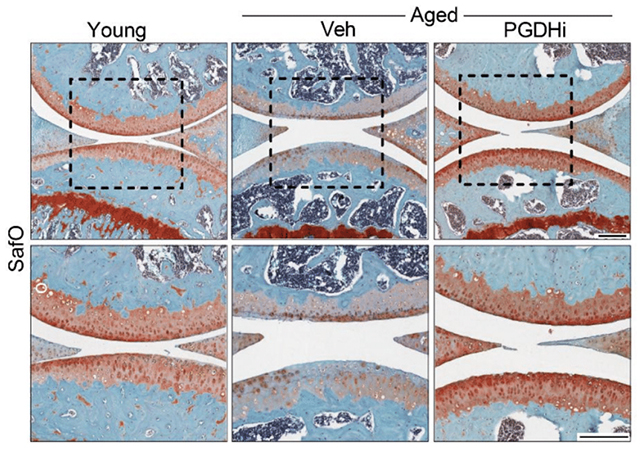
In tests on old mice, knee cartilage that had previously worn down thickened following the introduction of a 15-PGDH inhibitor. In similar tests on young, injured mice, the inhibitor offered protection against the usual effects of injury-induced osteoarthritis.

When the researchers triggered the equivalent of an anterior cruciate ligament injury in mice and subsequently applied the treatment, osteoarthritis didn't develop, as would normally be expected in these kinds of mouse models.

Previous attempts at cartilage regeneration included the use of stem cells, a factor that was no longer necessary when 15-PGDH was inhibited. Instead, the chondrocyte cells that make and maintain cartilage were being transformed into a healthier, more useful state.

"This is a new way of regenerating adult tissue, and it has significant clinical promise for treating arthritis due to aging or injury," says microbiologist Helen Blau. "We were looking for stem cells, but they are clearly not involved. It's very exciting."

Cartilage scans
Treated aged cartilage (far right, stained red) looked much more like young, healthy cartilage (far left, stained red). (Singla et al., Science, 2025)

Treated mice had a steadier gait, suggesting they were experiencing less pain, and were shown putting more weight on their injured legs – signs that the cartilage restoration equated improved physical health.

The same experiment was also tried on human tissue samples taken from people having knee replacement surgery. Again, there were clear signs of regeneration, with the cartilage getting stiffer and showing fewer signs of inflammation.

"The mechanism is quite striking and really shifted our perspective about how tissue regeneration can occur," says orthopaedic scientist Nidhi Bhutani. "It's clear that a large pool of already existing cells in cartilage are changing their gene expression patterns."

"And by targeting these cells for regeneration, we may have an opportunity to have a bigger overall impact clinically."

While there's still plenty of work to do, this could eventually lead to effective treatments to roll back the damage done by arthritis or aging in general. We could be heading towards a future where hip and knee replacements are no longer needed.

Besides replacing the joints affected, current treatment options for osteoarthritis are limited to pain management. Despite promising research in recent years, we don't have anything yet that tackles the root cause of the condition.

The next steps could include a clinical trial. A previous trial of a 15-PGDH blocker to combat muscle weakness didn't raise any red flags in terms of health and safety, which should speed up the process of trials for similar drugs.

"We are very excited about this potential breakthrough," says Blau. "Imagine re-growing existing cartilage and avoiding joint replacement."

The research has been published in Science.

https://www.sciencealert.com/new-breakthrough-to-restore-aging-joints-could-help-treat-osteoarthritis

Thursday, 8 January 2026

Scientists develop drug that may regrow knee cartilage and stop arthritis

From indiatoday.in

If your knees crack when you climb stairs or ache long after a workout, there may be good news ahead. Stanford Medicine researchers have developed a drug that could change how doctors treat joint damage, especially in ageing knees.

Their findings, published in the journal Science, suggest it could be possible to regenerate knee cartilage without surgery.

Cartilage is the smooth tissue that cushions the ends of bones in a joint. As people age, this tissue slowly wears down.

Once damaged, cartilage usually does not repair itself, which is why conditions like osteoarthritis worsen over time and lead to joint replacement surgery.

              New study findings suggest it could be possible to regenerate knee cartilage without surgery. (Photo: Getty Images)

WHAT DID THE RESEARCHERS DO?

The Stanford team focused on a protein called 15-PGDH. As we grow older, the levels of this protein increase in knee cartilage, almost doubling with age.

The problem is that 15-PGDH breaks down prostaglandin E2, a substance that helps cartilage stay healthy and repair itself.

In simple terms, this protein blocks the joint’s natural healing ability.

When researchers blocked 15-PGDH in older mice, they saw striking results. The cartilage did not just stop thinning, it actually grew back.

The joint surface became thicker, and the animals moved more easily. Importantly, this repair happened without stem cells or surgery. The existing cartilage cells were “reawakened” to behave like younger cells again.

The researchers then tested the same approach on human knee tissue taken from patients undergoing knee replacement surgery. After one week of treatment with a 15-PGDH inhibitor, the tissue showed signs of new cartilage formation and less damage.

According to study co-author Nidhi Bhutani, the regeneration seen was stronger than with any other drug tested so far.

KNEE CARTILAGE REGENERATION PREVENTS ARTHRITIS

In another experiment, mice with ligament injuries similar to ACL tears received injections twice a week for four weeks. These mice did not go on to develop arthritis, unlike untreated mice.

This finding could be especially important for people who injure their knees during sports or exercise.

This treatment is not yet available for patients. The drug that blocks 15-PGDH is currently in early-stage (Phase 1) clinical trials for age-related muscle weakness, and early results are encouraging.

The technology has been licensed to a biotech company called Epirium Bio, co-founded by lead researcher Helen Blau. The company plans to start trials focused on cartilage and arthritis.

If successful, this approach could help millions of people with knee pain and arthritis, and possibly delay or avoid the need for joint replacement surgery altogether.

https://www.indiatoday.in/health/story/stanford-university-develop-drug-regenerate-knee-cartilage-without-surgery-arthritis-2847955-2026-01-07