Thursday, 3 July 2025

7 diet tips for people living with arthritis

From restless.co.uk/leisure-and-lifestyle

According to the British Nutrition Foundation, more than 10 million people in the UK are living with arthritis. Although the condition can affect people of all ages, those aged 50 and over are more at risk.

There’s currently no cure for arthritis, but research suggests that lifestyle changes may help to slow its development and ease symptoms.

With this in mind, we’ve come up with a list of seven diet tips that might help if you or a loved one is living with arthritis.

And, if you’re looking for additional support with maintaining healthy bones for life, the Royal Osteoporosis Society (ROS)* offers access to expert information – as well as a chance to connect with others through supporter and volunteer groups and events. Find out more using the button below or check out our article: Osteoporosis – symptoms, treatment, and prevention.

What is arthritis?
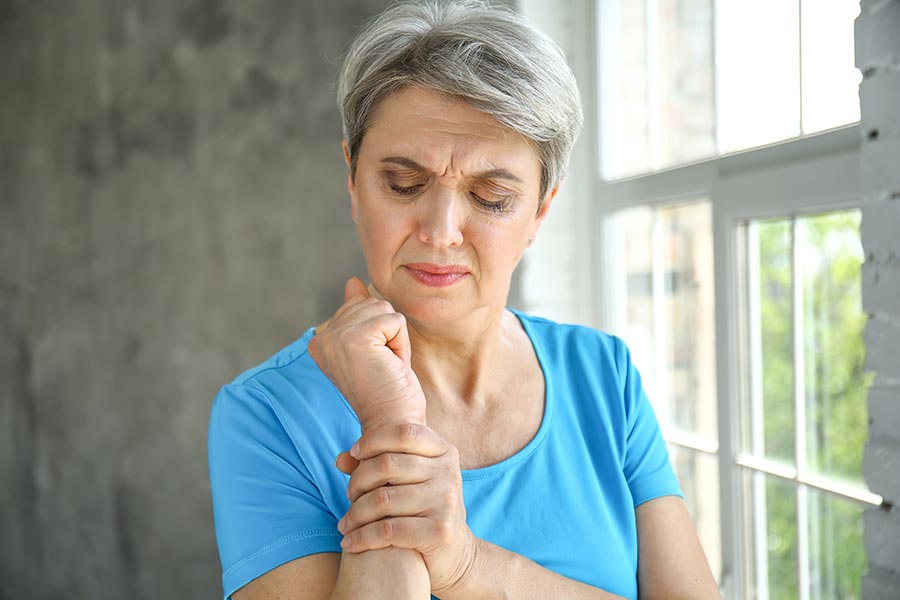
What is arthritis?

There are various forms of arthritis but, generally speaking, it’s a condition that causes pain and inflammation in joints.

The two most common types of arthritis are osteoarthritis and rheumatoid arthritis. We’ll cover these below…

Osteoarthritis

Osteoarthritis is the most common form of arthritis, affecting close to 10 million people in the UK alone. The condition occurs when cartilage (the flexible tissue that cushions joints and reduces friction) begins to wear away.

The exact cause of osteoarthritis is unknown, but it’s considered a ‘wear and tear’ condition. This means that cartilage is worn down gradually due to daily activity. Factors including injury, age, weight, and whether or not you have any other related conditions (like gout or diabetes) can also play a role.

Osteoarthritis typically leads to pain, inflammation, and the formation of bone spurs (osteophytes) – lumps that grow on the bone near joints or on the spine. People suffering from osteoarthritis also tend to experience stiffness and limited mobility.

Rheumatoid arthritis

Rheumatoid arthritis is an autoimmune disease that occurs when the immune system mistakenly attacks cells in joints.

Like osteoarthritis, rheumatoid arthritis can cause pain, swelling, stiffness, and the formation of bone spurs – as well as other symptoms like tiredness and weight loss.

Rheumatoid arthritis is less common than osteoarthritis, though it’s still estimated to affect around 400,000 UK adults.

Other types of arthritis include gout, psoriatic arthritis, and enteropathic arthritis. 

How can diet affect the symptoms and development of arthritis?

We all know a balanced diet is important for overall health and lowering our risk of developing conditions like cancer, diabetes, and heart disease.

Studies also suggest that diet may play a role in the severity of arthritis symptoms and have the potential to slow its progress – possibly even reducing the likelihood of developing arthritis in the first place.

There are a few reasons for this. For example, research shows that being overweight is a risk factor for developing osteoarthritis (particularly in the knees). This is because the heavier we are, the more stress we put on our joints, and the more likely the cartilage is to wear down.

Studies have also linked weight loss with slower cartilage degeneration in patients with osteoarthritis, and lower uric acid levels in people suffering from gout (higher levels of uric acid increase the likelihood of gout flaring up). As a result, maintaining a healthy weight may help to slow the development of arthritis and reduce symptoms.

Certain vitamins and minerals are also thought to have anti-inflammatory properties, which may help ease the symptoms of arthritis. This is significant as, whether due to specific treatments or limited mobility, people with arthritis can be prone to becoming deficient in specific vitamin and mineral deficiencies. So, making sure you’re getting enough of these is important.

7 diet tips for people living with arthritis

1. Make sure you're getting enough omega-3s

Make sure there are enough omega-3s in your diet

Omega-3s are essential fatty acids that play a key role in several body processes. They’ve been shown to help prevent and treat depression, maintain eye health, and reduce the risk of heart disease and stroke.

Omega-3s also have anti-inflammatory properties, which studies suggest may help to prevent or reduce the symptoms of arthritis.

Some of the best sources of omega-3s are oily fish, such as mackerel, salmon, sardines, and trout. These are great for people with arthritis, in part, because they also contain vitamin D (which we’ll get onto later).

If you don’t like fish or are plant-based, seeds (like flax and chia), nuts (like pecans and hazelnuts), and soya beans are good sources of omega-3 fatty acids, too.

It’s best to try getting omega-3s from food because they’re often easier to absorb than supplements and contain a range of nutrients.

However, if you’re struggling to get enough omega-3s into your diet, you can buy fish oil and fish liver oil supplements. That said, it’s always best to speak to your GP before taking supplements of any kind, as they won’t be suitable for everyone.

To find out more about omega-3s and how you can incorporate them into your diet, why not read our guide?

2. Consider whether you’re eating enough calcium-rich foods

Consider whether you’re eating enough calcium-rich foods

If you’re living with arthritis, it’s important to consider how you can reduce your risk of developing associated conditions, like osteoporosis. This causes bones to become brittle, and it’s common in people with arthritis.

The two conditions are linked because arthritis can cause pain and loss of joint function, which can reduce activity levels and increase the risk of developing osteoporosis. Some steroid drugs used to treat arthritis can also increase the risk.

As a result, it’s important to take care of your bone health – and one of the best ways to do this is to make sure you’re getting enough calcium (the NHS recommends 700mg a day). Calcium is needed to build and maintain healthy bones and also helps muscles, nerves, and cells to function normally.

Some great sources of calcium are…

  • Dairy foods like milk and cheese
  • Tofu (some have added calcium)
  • Nuts, particularly almonds
  • Leafy green vegetables like okra, cabbage, and kale. Spinach, on the other hand, does contain high levels of calcium, but because of its high levels of oxalate (a chemical that interferes with our ability to absorb calcium), we can’t absorb as much from it.

To find out more, check out our article: Everything you need to know about calcium.

3. Remember to get your daily dose of vitamin D

Remember to get your daily dose of vitamin D

Vitamin D is important for bone health because it helps the body absorb calcium and store it in skeletal tissues. Low levels of vitamin D can lead to brittle bones and increase the risk of osteoporosis.

Research also suggests that a vitamin D deficiency may increase the chance of developing rheumatoid arthritis and cause arthritis to develop more quickly.

Plus, vitamin D plays a key role in regulating the immune system, so getting enough is key for protection against a range of diseases and conditions.

Vitamin D is known as the ‘sunshine vitamin’ because our skin produces it when it comes into contact with the sun’s UV rays. According to the NHS, most people in the UK get enough vitamin D (10mcg per day) from sunlight alone from April to September. However, during October to March, this isn’t always the case – so the NHS recommends taking supplements or upping the amount of vitamin D in our diet.

Sources of vitamin D include oily fish like mackerel, sardines, and salmon; mushrooms and vitamin-D-fortified foods are great plant-based options, too.

To find out more about vitamin D and how you can get the right amount, check out our guide.

4. Make sure you're getting enough iron

Make sure there’s enough iron in your diet

Iron is an essential nutrient needed to make haemoglobin, which is responsible for transporting oxygen throughout the body. Without enough oxygen, we may feel weak and tired.

Despite its importance, iron is the most common nutrient deficiency in the world and, unfortunately, is especially common in people with arthritis.

Research suggests this can be a side effect of non-steroidal anti-inflammatory drugs (NSAIDs), which are typically used to manage the symptoms of arthritis.

NSAIDs are known to cause bleeding and stomach ulcers. This loss of blood can lead to iron-deficiency anaemia, which can cause symptoms like tiredness, shortness of breath, pale skin, and heart palpitations.

To help prevent iron deficiency anaemia, it’s important to include lots of good sources of iron in your diet. Examples include…

  • Red meat, poultry (especially the darker parts, like the thigh), and pork
  • Seafood (especially oily fish)
  • Beans and pulses
  • Dark green leafy vegetables, such as spinach
  • Dried fruits like apricots and raisins
  • Supplements – though it’s important to always speak to your GP first

For more information on iron, iron deficiency, and how you can get more of it into your daily diet, check out our article.

5. Take steps to cut back on added sugar

Diets high in added sugar are linked with weight gain, tooth decay, and an increased risk of conditions like type 2 diabetes, heart disease, and high blood pressure. It can exacerbate the symptoms of arthritis, too.

In this study, people with rheumatoid arthritis found that sugary foods caused arthritis flare ups. Additional research has also found that diets high in processed sugar can increase inflammation throughout the body.

For tips on how to reduce your intake, check out our article: 9 simple ways to cut back on added sugar.

6. Consider adding turmeric to your diet

Consider adding turmeric to your diet

Earthy and spicy, turmeric has been used in South Asian cooking for centuries. But did you know that it may have medicinal properties, too? In India, this golden-coloured spice was traditionally used to treat skin disorders and digestive issues.

There’s also evidence that turmeric may be beneficial for arthritis symptoms because it contains a substance called curcumin – a powerful anti-inflammatory and antioxidant.

This study, which compared the effectiveness of turmeric to a commonly used anti-inflammatory drug called diclofenac, found that curcumin had similar efficacy in relieving symptoms of osteoarthritis. Research also suggests that curcumin could be an effective and safe form of treatment for rheumatoid arthritis.

Turmeric can be added to your diet through food, as a tea, or you can take it as a supplement. But remember, if you’re thinking about taking supplements, it’s important to speak to your GP first.

For more information, check out our article: 8 health benefits of turmeric and how to add it to your diet.

Note: The research into whether turmeric is a safe and effective treatment for arthritis is limited. It’s not currently listed as an arthritis treatment by the NHS, so it’s important to seek advice from your GP before introducing it to your diet.

7. Try the Mediterranean diet

Try the Mediterranean diet

The Mediterranean diet is an eating style based on the traditional diets of Mediterranean countries like Spain, Greece, and Italy. It includes lots of fruit, vegetables, legumes, nuts, grains, and unsaturated fats – for example, olive oil. Seafood (including oily fish), dairy, and poultry are also included, but in moderation.

Experts have found that following the Mediterranean diet can reduce the risk of heart disease and increase life expectancy. Recently, research has also found that it could be beneficial for people living with rheumatoid arthritis.

This study found that eating the Mediterranean diet for three months reduced inflammation and improved joint function in people with rheumatoid arthritis. 

To find out more about the Mediterranean diet, why not check out our article here?

Final thoughts…

Eating a healthy, balanced diet is key for our overall health and well-being. However, it can be especially important for those living with chronic conditions like arthritis.

Research suggests that staying on top of your vitamins and mineral intake can make all the difference when it comes to managing symptoms and reducing your risk.

If you’re looking for additional support to help you maintain healthy bones for life, the Royal Osteoporosis Society (ROS)* offers access to expert information – as well as a chance to connect with others through supporter and volunteer groups and events.

For more tips on how to eat a healthy, balanced diet, head on over to our diet and nutrition section. Or, check out our articles: 9 tips for sleeping better with arthritis and 7 tips for coping with arthritis in winter. 


https://restless.co.uk/leisure-and-lifestyle/food-drink/diet-tips-for-people-living-with-arthritis/?contact_id=5e74dd65-8bd7-48a2-a626-ded9a62b692b&utm_source=midweek-email&utm_medium=email&utm_campaign=midweek_email_25-07-03_general&utm_content=midweek_email_25-07-03_general_control

Wednesday, 2 July 2025

9 Tips for Having a Healthy Relationship With Your Rheumatoid Arthritis

From everydayhealth.com 

If you’ve recently been diagnosed with rheumatoid arthritis (RA), you might be wishing you could act as though none of this were happening. Any new chronic diagnosis can feel like a real blow, and it may seem easier to ignore it. But when you face your RA head on and slowly but surely come to terms with it, you’ll ultimately be able to cope more effectively and live a fuller life.

This diagnosis is now a part of you — but don’t lose sight of the fact that life always has some hardships. “Recognizing that pain and illness are inevitable features of life, people productively adapt to and accept that they have RA and no longer experience the distress associated with ‘fighting’ the diagnosis,” says Ashwini Nadkarni, MD, an assistant professor of psychiatry at Harvard Medical School in Boston.

That can be especially helpful as your RA — just like your relationship with the diagnosis — evolves over time. “If one is living with a chronic condition, it means it's not going to go away. It may get better. It may even go into remission,” says Joan Westreich, LCSW, the social work coordinator of the Early Arthritis Initiative at the Hospital for Special Surgery in New York City. “However, you still have to deal with the reality of coping with some physical, psychological, and social changes in your life. Rather than fighting against what you cannot control, try to control what you can.”

Here are some tips to help you do that.

1. Give Yourself Space to Grieve

Many people experience a period of grief after a chronic diagnosis like RA. “It’s like losing someone you love,” says Teri Bourdeau, PhD, a psychologist in private practice in Florida who works with people navigating chronic pain. But instead, it’s grief over the loss of how your life used to look or feel, she says. This is common and normal, and may include anger, sadness, and denial, according to the American Psychological Association. Allow yourself to feel and name those emotions, rather than trying to pretend you don’t feel them.

2. Then, Keep Moving Forward

There is room for frustration, despair, self-pity, anger, and all sorts of other wide-ranging emotions after an RA diagnosis. All feelings are valid, and you should give them their appropriate space. But hone your mindfulness: Think about when these feelings are actually helpful and when they’re simply bringing you down, Dr. Bourdeau says. “Anybody can find anything in their life to be upset about, and we know that when they do that, they tend to be more depressed.”

In fact, depression, anxiety, and bipolar disorder are more common in people with RA than in the general population. “So it’s about to what extent you’re going to allow that in your life,” she says.

3. Change Your Language

You get to decide how you talk to yourself and to others about your RA, and that can involve overhauling your vocabulary to be more empowering. 

Maybe you decide you won’t refer to your RA as an illness or a disease but instead as a condition, which can feel easier to manage mentally for some people, Bourdeau says. Maybe you focus on person-first language, rather than identity-first language: Instead of calling yourself arthritic, for example, you call yourself a person with rheumatoid arthritis or a person who sometimes experiences challenges due to an arthritis-related diagnosis, says Jessica Auslander, PhD, a clinical mental health counsellor who has worked with the Arthritis Foundation’s patient education team.

This might help you remember RA is just one part of your identity, not your entire identity, Bourdeau says.

4. Cultivate Self-Compassion

Deciding how you’re going to talk about RA is part of treating yourself kindly in regard to your condition. And this is essentially self-compassion, or showing yourself the kindness, understanding, and acceptance that you would offer a friend, Dr. Nadkarni says. Tune in with your thoughts, feelings, and self-talk about your RA: Is it different from how you would talk to a friend with your same diagnosis?

To improve that relationship with your RA and your whole self, it might help to try some self-compassion exercises like writing yourself a supportive letter, she says, or even using self-compassionate touch. For example, place your hand over your heart and appreciate its warmth, she says.

If you need to remind yourself to be self-compassionate, think about the inverse of the Golden Rule. “Instead of doing unto others as you would have them do unto you, do unto you as you would do unto others,” Westreich says. “I think if one can work from that perspective, it's meaningful and productive,” she says.

5. Praise Adaptation, Not Productivity

American culture emphasizes productivity, and it can be tempting to shame and blame yourself for not being able to keep up when you have RA. If you find yourself saying things like “I shouldn't get so tired” or “I shouldn't need so many breaks,” you may need to repair your relationship with productivity as part of building a good relationship with your diagnosis, Dr. Auslander says.

“It's not easy for anyone to accept a decline in their ability to perform valued activities or participate as they once did,” Westreich says. “So, one needs to be able to recognize the realities of living with chronic illness. But at the same time, we work together to develop an understanding that RA needn't define who they are as a person. All of their unique qualities remain, as does the possibility of living a full life.”

Auslander recommends focusing on and praising your ability to adapt, not to produce, by instead saying things like “Look how well I adapted” or “Look how I faced that challenge.”

6. Reconnect With Your Body Through Movement

One way to take an active role in building a healthier relationship with RA is to focus on the activities and experiences that help you feel better. For example, Bourdeau says, is there a form of gentle movement that helps you still feel active while also helping to manage your RA pain? “If you focus on what you can do and how you can manage some of your limitations, it’s less distressing than focusing every day on your limitations,” she says.

Finding a form of physical activity that works for you can be especially helpful if you feel any resentment toward your body and the pain it’s causing you, Auslander says, because “exercise reconnects you with your body in a positive way.”

And remember, your ability to participate in certain activities may change over time, too. To honour that, if a client says something like “I can’t do that because of my RA,” Auslander says she always adds “for now.”

7. Find Ways to Make Meaning 

Research suggests that those who find a deeper meaning in challenging experiences that aligns with their goals and values may have an easier time coping with their circumstances, including chronic pain.

“The idea is to integrate having RA into one's identity in meaningful ways,” Dr. Nadkarni says. For example, maybe before your symptoms began, you saw your job as your purpose. After your diagnosis, maybe you “find a newfound meaning in your RA, perhaps by … becoming a coach for individuals with chronic pain,” she says. Consider looking for volunteer opportunities, mentorships, or chances to lead support groups for people with RA.

“For many people, as they adapt to new realities, there is an ongoing process at different stages of their illness where they navigate shifts in their identity and in their roles in life,” Westreich adds. “This process provides an opportunity to reassess one’s values, as well as the meaning of various activities or relationships in their lives.”

8. Find Gratitude Where You Can

Gratitude may feel far from your mind when you’re working toward acceptance of your RA. And while it can undoubtedly be difficult to feel grateful in challenging moments, research shows that people with chronic illnesses who are more grateful tend to have lower rates of depression than those who are less grateful.

You don’t have to be grateful for your diagnosis to build a healthier relationship with it, though. “It's necessary to acknowledge the reality of the experience of living with RA, but at the same time, one has an opportunity to also acknowledge the positive aspects of one's life,” Westreich says. Instead, try focusing your gratitude on “close relationships, good work, access to leisure and cultural activities, meaningful practices such as meditation and spiritual practices, not to mention daily opportunities for joy,” she says.

9. Consider Professional Support

It’s not always easy to implement any of these changes on your own. And you don’t have to. “I'm of the mind that everyone can benefit from some kind of counselling or support,” Auslander says. That can look different for different people, and include one-on-one counseling sessions using various schools of therapy, group therapy, support groups, or even online forums.

Many people who join the support group Westreich runs tell her they’ve never met anyone else with rheumatoid arthritis. The opportunity to speak with and learn from other group members helps combat some of the isolation that can prevent you from forming a healthy relationship with your diagnosis. “The group members who live with RA support one another in a profound way,” she says.

A particular form of therapy called acceptance and commitment therapy or ACT has been shown to help improve physical and emotional functioning, pain, and quality of life in people with rheumatic conditions.

“People learn to detach from their thoughts and feelings, recognizing their thoughts as just thoughts rather than facts, and enhancing their psychological flexibility,” Nadkarni says. Consider searching for a therapist who offers ACT in your area or virtually. 

It takes time, effort, and self-awareness to achieve a healthier relationship with your RA, and everyone’s experience is different. But with consistency, compassion, and these tried-and-true steps, you can make progress.

The Takeaway

  • A diagnosis of rheumatoid arthritis can be challenging to face, but learning to accept it can help you manage more effectively.
  • Give yourself time to grieve and be kind to yourself. Reframe certain ideas about yourself and reconnect physically with your body.
  • Consider seeking professional help, particularly a support group or a form of therapy called acceptance and commitment therapy, which has been shown to help people with chronic conditions.

Tuesday, 1 July 2025

What Is the Difference Between Psoriatic Arthritis and Rheumatoid Arthritis?

From health.com

Psoriatic arthritis and rheumatoid arthritis (RA) are both forms of inflammatory arthritis. They each cause chronic swelling, stiffness, and pain in your joints. These distinct conditions also have key differences, including that they may affect different joints and parts of your body.

Symptoms of Psoriatic Arthritis vs. Rheumatoid Arthritis

Psoriatic arthritis and rheumatoid arthritis are both diseases that cause swollen or inflamed joints, though psoriatic arthritis tends to affect a joint on one side of your body while RA may affect joints symmetrically (on both sides at the same time). Psoriatic arthritis may also affect your skin and nails in characteristic ways.

SYMPTOMS OF PSORIATIC ARTHRITISSYMPTOMS OF RHEUMATOID ARTHRITIS
Swelling and painYesYes
Joint stiffnessWorse in the mornings Worse in the mornings
Affected side of the bodyAsymmetrical (often affects joints on one side of your body)Symmetrical (often affects joints on both sides of your body)
FatigueYesYes
Sausage digits (swollen fingers and toes)YesNo
Nail symptomsPitting, crumbling, or splitting from the nailbedNo
Skin symptomsScaly, itchy patchesTenderness, redness, and warmth near affected joints; bumps called nodules
Other symptomsEye inflammation, digestive symptomsFever, loss of appetite, lung symptoms, vision changes
Symptom patternSymptoms come and go in flaresSymptoms come and go in flares

Differences

Psoriatic arthritis and rheumatic arthritis may differ in the part of the joint that becomes inflamed, who they tend to affect, and more.

RA and Psoriatic Arthritis May Affect Different Parts of the Body

Psoriatic arthritis affects areas where your tendons and ligaments meet bone, called the entheses. You may notice pain especially in the bottoms or backs of your feet, along with areas such as:

  • Neck
  • Back
  • Hips
  • Hands

Rheumatoid arthritis affects the lining of your joints, called the synovium or synovial tissue. RA commonly affects areas such as:

  • Wrists
  • Hands
  • Elbows
  • Shoulders
  • Feet
  • Spine
  • Knee
  • Jaw  

Psoriatic and Rheumatic Arthritis Can Affect Different People

Both conditions affect a similar number of people worldwide. However, each may be more common in different sets of people. Here's how they compare:

  • Rheumatoid arthritis is two to three times more common in women and people assigned female at birth, happening most frequently between the ages of 65 and 80. Older age, smoking tobacco, lung diseases, and periodontitis (severe gum disease) increase your risk.
  • Psoriatic arthritis affects both sexes equally, typically beginning in the 30s or 40s. Having psoriasis or extra weight also increases the risk.
  • Psoriatic arthritis and rheumatoid arthritis both involve inflammation that leads to joint pain.   

    Kinga Krzeminska / Getty Images

Psoriatic Arthritis Won't Turn Up on Lab Tests

A healthcare provider may take samples of blood and send them to a clinical laboratory for testing during diagnosis. Tests can detect rheumatoid arthritis, but not psoriatic arthritis.

Similarities

As forms of inflammatory arthritis, psoriatic and rheumatic arthritis have many things in common.

Both Conditions Involve Your Immune System

Researchers understand that both types of arthritis involve irregular immune system activity. Here’s how they compare:

  • Psoriatic arthritis: A combination of genes and environmental factors trigger inflammation, leading to psoriatic skin symptoms and joint issues.
  • Rheumatoid arthritis: Considered an autoimmune disorder, the immune system mistakenly attacks healthy tissues in the joints.

Your Genes Influence Both Types

A family history of either condition raises your risk. Up to half of the people with psoriatic arthritis have at least one parent or sibling with psoriasis. For RA, you're also more likely to inherit genes from a parent that make you prone to triggers.

Treatments For The Conditions Overlap

Healthcare providers use many of the same medications and lifestyle approaches to treat psoriatic arthritis and RA. Treatments depend on the individual case, including how severe the symptoms are. They may include:

  • Nonsteroidal anti-inflammatory drugs (NSAIDs): Over-the-counter options such as Motrin (ibuprofen) may temporarily relieve pain and swelling.
  • Corticosteroids: Providers inject these drugs directly into affected joints to reduce swelling (inflammation).
  • Disease modifying antirheumatic drugs (DMARDs): Taken by mouth, DMARDs are drugs that act on the immune system to slow the progress of arthritis.
  • Biologics: These medications block the activity of certain immune system cells to reduce symptoms.
  • Lifestyle changes: Exercise, stress management, weight management, and use of assistive devices can all help make it easier to live with inflammatory arthritis.

Can You Have Both Psoriatic Arthritis and Rheumatoid Arthritis?

You can have psoriatic arthritis and rheumatoid arthritis at the same time. Studies suggest that up to 30% of people with psoriatic arthritis also have RA. This may be because some of the same cytokines (inflammatory proteins) are involved in both diseases.

Having psoriasis symptoms that occur with joint symptoms means you may likely have psoriatic arthritis. Healthcare providers usually also test for RA in cases of suspected psoriatic arthritis.

When To Seek Care and Who to Contact

If you have symptoms of arthritis—including joint pain, swelling, and limited movement that lasts more than three days—it's important to call a primary healthcare provider. They may refer you to a specialist for diagnosis or treatment. Specialists for these conditions may include:

  • Rheumatologist: A specialist in immune system-related joint diseases.
  • Orthopaedist: A doctor who treats and performs surgery on joints and bones.
  • Podiatrist: A foot and foot joint specialist.
  • Physical therapist: A specialist to help you strengthen joints and help them work better.
  • Occupational therapist: A specialist who teaches you how to improve motion, minimize joint strain, and reduce pain.

A Quick Review

Psoriatic and rheumatoid arthritis can both cause joint pain and swelling due to irregular immune system activity. They affect different parts of the joint and may be more common in different sets of people. Psoriatic arthritis often presents with skin or nail psoriasis. They're distinct conditions, and it's possible to have both.

Healthcare providers can use diagnostic tests to determine if you have RA and evaluate you for psoriatic arthritis based on your symptoms.

https://www.health.com/psoriatic-arthritis-vs-rheumatoid-arthritis-11749403