Saturday, 18 December 2021

Gout is more than painful arthritis in joints, it can spread to organs if not treated

From fox26houston.com

A painful condition called gout may be the most common form of inflammatory arthritis, but it's also the least known. It's dangerous because it can not only affect joints, but it can spread to major organs in the body.

We caught up with a young man who finally has his disease under control, but it has taken years to get there.

Chris Guzman is only in his 20's and finally able to enjoy time with his family and friends again. He suffered severe pain that started in his feet four years ago.

"I just felt this pain in my big toe, one of my big toes. I've never felt it before. I was just thinking I was just on my feet too long," says Chris.

It was much more than just tired feet.

"It's hard to explain because I've never experienced it in my life. It's like one of the craziest things. I'd be in my blanket trying to move and one little touch, not even me touching the blanket, but the blanket being moved, caused tremendous pain. I can't even describe it, I can't even tell you," says Chris.

Like many patients with gout, Chris kept getting misdiagnosed. After his own research, he requested a certain test.

"My mom and my sisters are nurses too. So I told them, there's something wrong with me. I don't know what's going on, and they told me to tell my doctor to go for a uric acid test in my blood. That's when we found out when I asked him. They didn't even offer any blood tests or anything like that. I had to ask for it, and at that point, that's when I knew there was gout," says Chris.
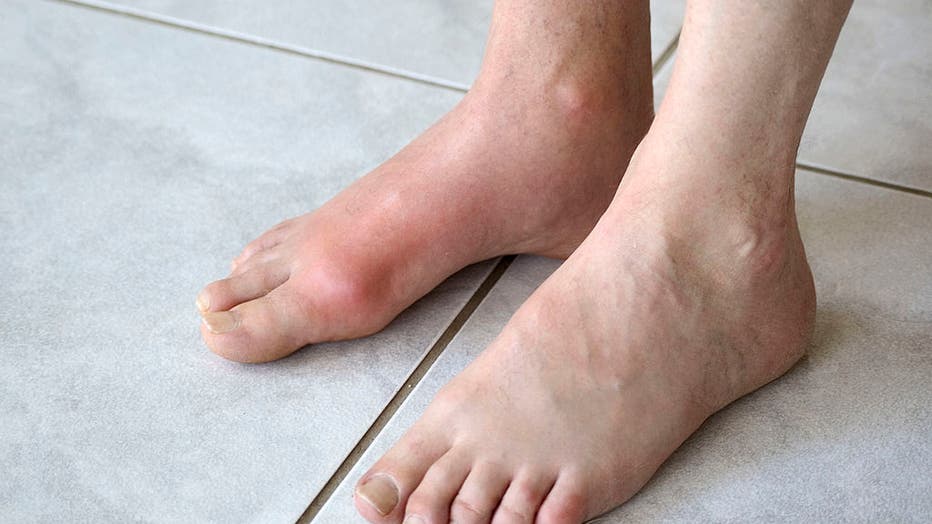
Gout (Photo By BSIP/UIG Via Getty Images)

Gout happens when there's too much uric acid in the blood. It causes extremely painful crystals to build in the body.

Dr. Abdul Abdellatif is Associate Professor of Medicine-Nephrology at Baylor College of Medicine and the Founder of the Kidney Hypertension & Transplant Clinic at CLS Health. While he is not Chris's doctor, he's speaking out because he agrees it's sometimes tough to get a gout diagnosis.

"It's under-diagnosed, as well as under-treated. Most of the patients who really do not get the diagnosis early-on, their disease progresses enough to cause destructive joint disease. These patients may become disabled and it basically impinges on the other organs that can exacerbate cardiovascular disease, it can exacerbate kidney disease, and may lead to metabolic disorders as well in the body," states Dr. Abdellatif.

What often starts in the joint of the big toe, or sometimes the hands, can lead to chronic arthritis and spread to major organs. It can also cause painful kidney stones when not treated correctly, but treatments are available.

"We have medications to control the uric acid level in the blood to prevent precipitation in different organs specifically in the joints, but also some of those patients may be refractory to these oral medications and may require a higher level of therapy such as infusion therapies," says Dr. Abdellatif.

Lifestyle changes can also lower uric acid levels. People suffering from gout are encouraged to limit eating red meat, seafood, and vegetables high in purine, like asparagus, mushrooms, spinach, and cauliflower and limit drinking beer and sugary drinks. Helpful options are other types of fresh veggies and fruit, non-dairy items, and foods like nuts and rice.

"A lot of patients also may feel like gout is their fault. Why? Because they may link it to what they eat or drink if they're having a seafood plate and then had some alcohol with it and the next morning, they wake up with their joints on fire from an acute gout attack, but it's really more the fact that they are untreated, therefore they're always at the threshold to have an acute or gout attack as they eat some foods that are rich in purines, which eventually can lead to high uric acid in the circulation," explains Dr. Abdellatif.

He encourages patients to keep trying different treatments until they find one that helps. Again, he says IV therapy often works, if oral medications do not.

The biggest risk factors for gout can be genetic, but can also be sparked by obesity, stress, and foot injury.

For more information on gout, click here. 

https://www.fox26houston.com/news/gout-is-more-than-painful-arthritis-in-joints-it-can-spread-to-organs-if-not-treated 

Friday, 17 December 2021

5 Tips to Deal With Arthritis Pain in Winter

From india.com

Following the 5 tips given below will help the patients to cope with the pain and suffering


Winter months can often accentuate the pain caused in joints. The sudden drop in the barometric pressure results in the swelling of bones in the knees, making it more difficult for the aches to seek relief. But there are ways to deal with the unbearable pain caused by arthritis and gain some remedy apart from the intake of medications and other prescriptions.

Arthritis is a medical condition that causes joint inflammation making an individual unable to experience regular movements around the joints. The joints that have bones and cartilage get torn due to wear and tear with time. The breakdown of cartilage tissue is most common in the declining years of life. But lately, statistics have shown that the younger generation belonging to the age group of 20 to 40 are also getting affected by arthritis. 

To stay healthy, one must have to accept the conditions and follow a routine. Following the 5 tips given below will help the patients to cope with the pain and suffering.

  1. Stay Active: The cold weather can cause stiffness, leading to the inability to challenge oneself for exercise. This leads to the misconception of exercises causing an increase in joint pain. If the pain doesn’t persist for long, it is always advised to engage in physical activity to be flexible and energetic. Enrolling in a gym membership with a friend will help motivate one to stay active.
  2. Heat Up: The warmth of blood helps in pain tolerance. In the winter, patients need to stay warm and seek benefits from heat therapy. Soaking in a hot water tub, wearing feet warmers and gloves can help in relieving the pain.
  3. Lose Weight: The pressure on the knees and hips tends to be less if the body has to take less weight on itself. The less weight to be carried, the less stress on joints. A loss of 10 pounds can take 30-40 pounds of pressure off the body while walking, making it easier to deal with arthritis during winters.
  4. Get a Massage: Research from The Journal of Alternative and Complementary Medicine in June 2015 has said that getting a massage once a week, for at least 8 weeks can help in relaxing the muscles around joint pain problems. Increasing the frequency of treating our body with a rub down will be even more beneficial during winters.
  5. Hydration: Drinking plenty of water during winters is essential for all. People often think that the idea of staying hydrated is only during the summers when winters require more moisture and humidity inside the body due to dry air. A warm cup of tea or a bowl of soup can also help equally. Alongside, having 8 glasses of water per day is the best remedy for less pain in the cold.

Considering a physician when the pain persists for a long time is crucial. In today’s day, there are several medical treatments and surgeries available for patients suffering from arthritis. These surgeries include osteotomy, arthroscopy, synovectomy, and total joint replacement. All of these, when treated by a good orthopaedic surgeon can provide relief from pain and more stability to the joints.

(Authored by Dr. Anil Sood, Joint Replacement Surgery at Apollo Spectra Hospital, Bangalore) 

https://www.india.com/health/health-tips-5-tips-to-deal-with-arthritis-pain-in-winter-5142128/

Thursday, 16 December 2021

7 Hand Exercises to Prevent Arthritis

From aarp.org

Stiffness and loss of motion in your hands may be the beginning of arthritis. Here’s how to stay loose and pain free

Karen Jacobs noticed a stiffness settling into her hands. “It can be really painful throughout the day,” she says. When it didn’t resolve, the 70-year-old arranged a telehealth visit with her doctor. His diagnosis: She was experiencing the beginning of osteoarthritis (OA), the most common type of arthritis.

OA is a condition caused by the natural wearing away of the cartilage that covers the bone, says Michelle G. Carlson, M.D., hand and upper extremity surgeon at the Hospital for Special Surgery in New York City. In healthy joints, the cartilage coverings at the ends of the bones match up and glide smoothly against one another. But as arthritis wears the cartilage away, the movement becomes less smooth, often leading to stiffness, loss of motion and pain, especially in the tip joint of the finger. It’s estimated that we have a 40 percent risk of developing symptomatic osteoarthritis during our lifetime, according to research in Arthritis & Rheumatology.

But while you can't build back cartilage, you can preserve motion by keeping the soft tissue in the joint as supple as possible.

Jacobs, an occupational therapist, knew just what to do: start incorporating hand exercises into her day to maintain hand function. Research is mixed, but a 2018 study on 151 people with hand osteoarthritis found that those who performed exercises at home for two months improved grip strength and had less pain and fatigue when compared with a control group.

A caveat: Some exercises, like squeezing a stress ball, can irritate joints by causing rough cartilage to rub together, Carlson says. Instead, Carlson and Jacobs recommend the following moves. When doing them, let pain be your guide: If it hurts, stop. It’s also a good idea to get checked out by your doctor first to rule out other conditions, such as carpal tunnel syndrome, which is treated differently.

Warm up in the morning simply by going about your regular routine: Make breakfast, get dressed, feed the dog. Then, with your doctor’s OK, aim to go through these exercises every day. Plan to do five reps on each hand. You can build these into routine activities, such as when you’re talking on the phone or watching TV.

an illustration of a shoulder stretch

T.M. DETWILER

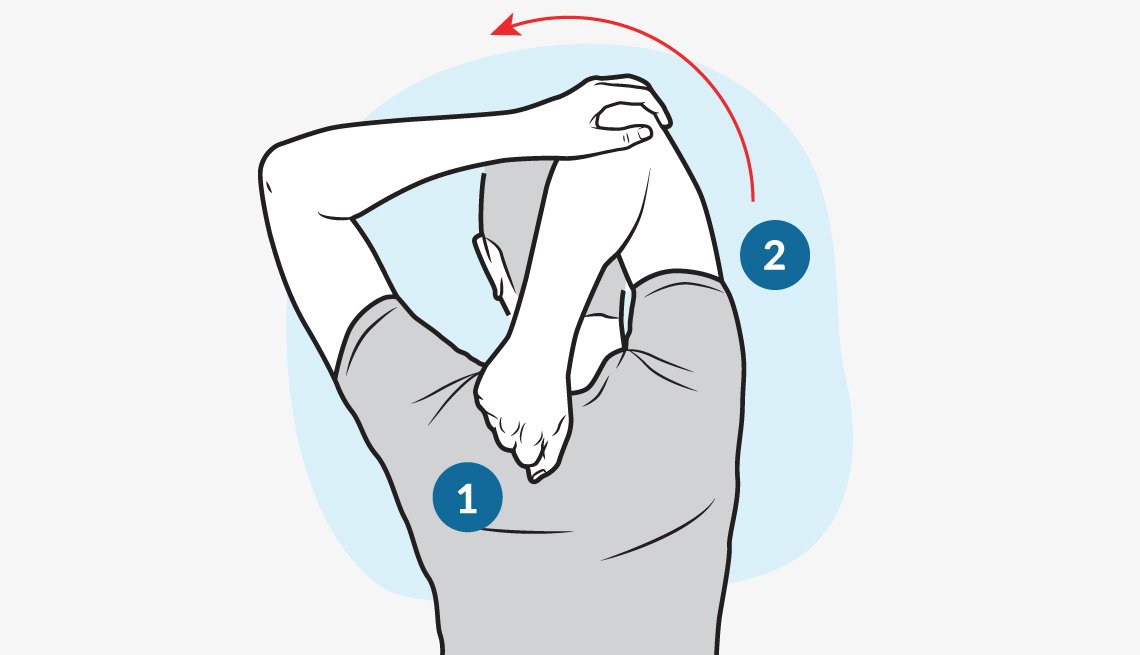
Exercise 1: Shoulder Stretch

Do your shoulders feel tense? The impact can extend elsewhere. “Stiffness in your shoulders can lead to all sorts of problems in your extremities,” Carlson says.

Step 1: Stretch your arms up. Next, bend your right elbow to reach your right hand behind your head toward your shoulder blades.

Step 2: With your left hand, grab your right elbow and then pull it gently toward the centre of your back. Switch arms and repeat.

an illustration of an elbow flexion and extension exercise

T.M. DETWILER

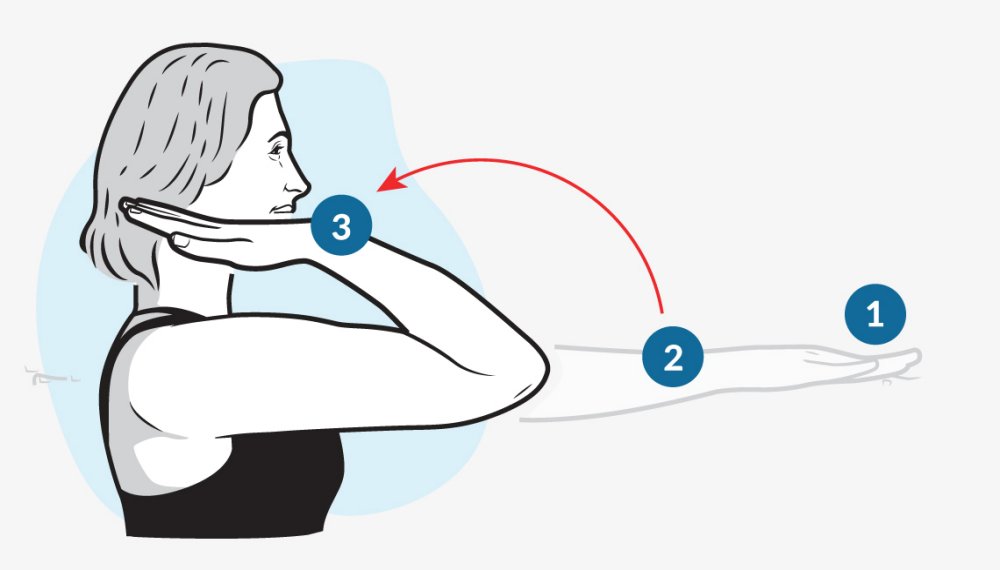
Exercise 2: Elbow flexion and extension

This exercise can help treat conditions such as tennis or golfer’s elbow.

Step 1: Stretch one arm out in front of you, palm down.

Step 2: Now turn your palm up and bend at the elbow so that your palm moves toward your shoulder.

Step 3: Hold for a beat, then straighten your arm back out and turn your palm back to the starting position.

an illustration of a prayer and reverse prayer stretch

T.M. DETWILER

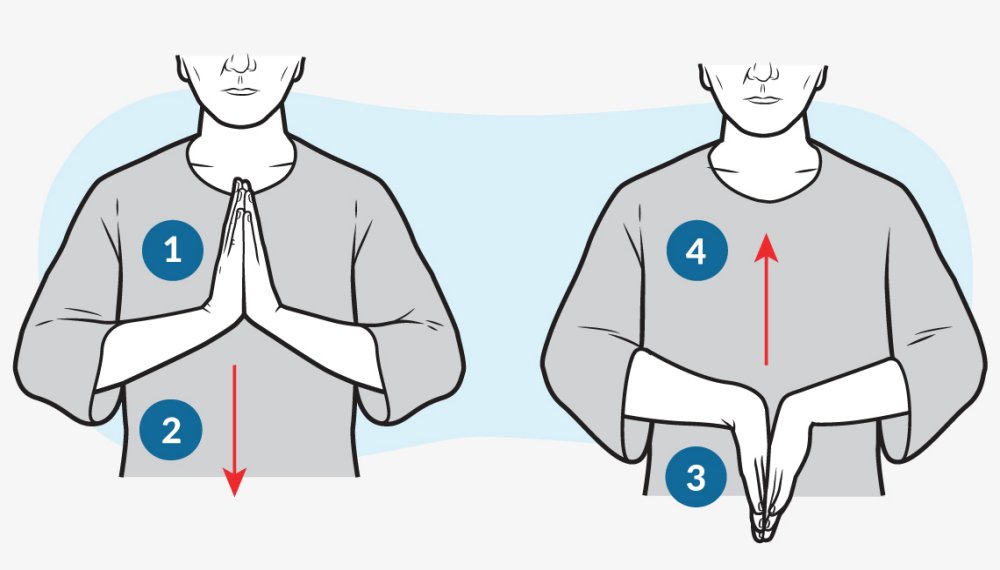
Exercise 3: Prayer and reverse prayer

This stretch can help combat carpal tunnel syndrome.

Step 1: Bring palms together in prayer position, elbows out, at chest height.

Step 2: Lower hands to waist level while pressing palms together. Hold for a beat.

Step 3: Turn hands so backs of hands are together, palms out, fingers pointing down toward toes.

Step 4: Raise hands back to the starting position.

an illustration of a finger spread stretch

T.M. DETWILER

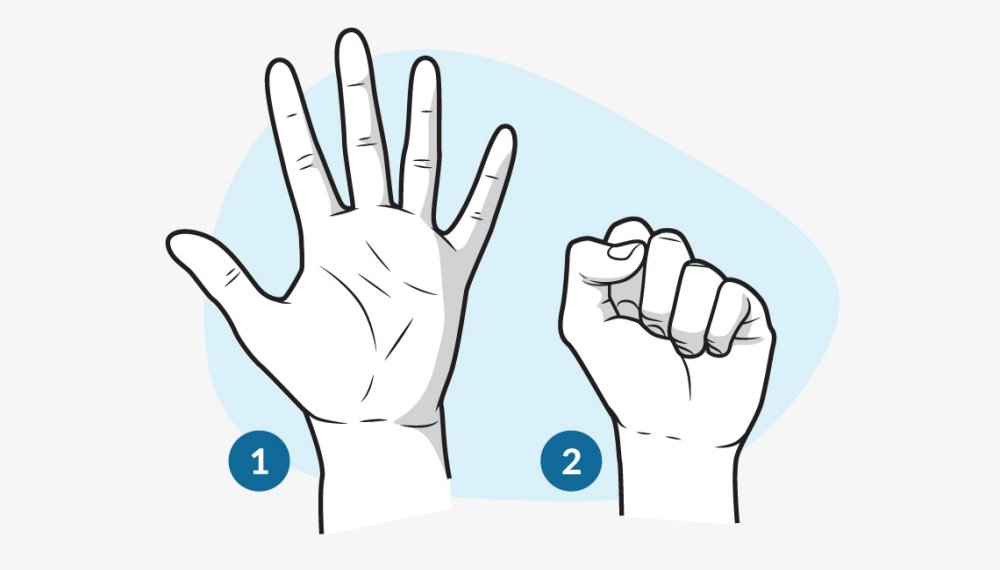
Exercise 4: Finger spread

Osteoarthritis can make it hard to open and close your hands, but this stretch can help maintain your flexibility. 

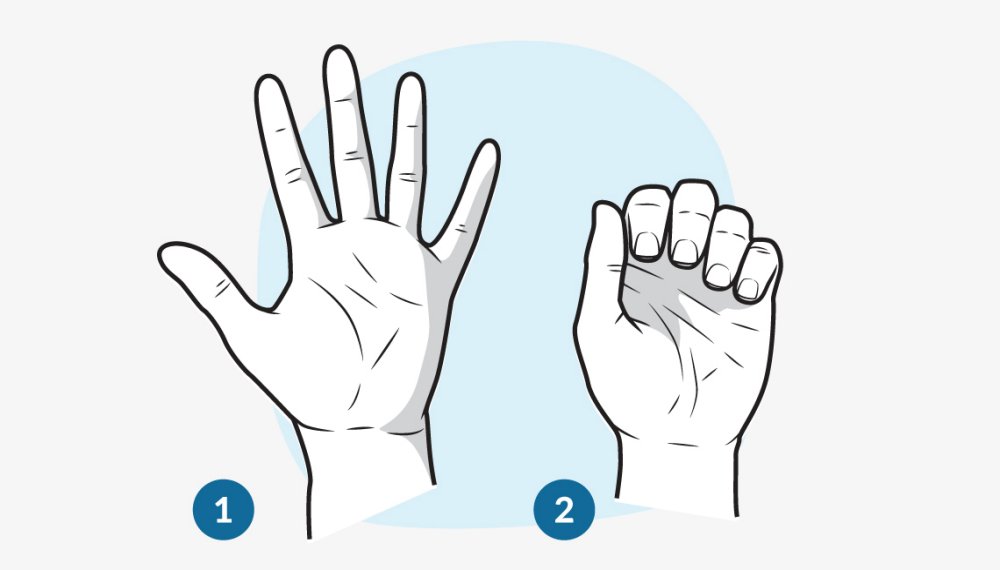
Step 1: Hold one hand up in front of you, palm facing you. Spread fingers as far apart as you can.

Step 2: Close your hand to make a fist and hold for a few seconds. Repeat with the opposite hand.

an illustration of the finger touch exercise

T.M. DETWILER

Exercise 5: Finger touch

If you’re seeing joint deformity in your fingers, especially your pinkie, this is an important exercise to try, Jacobs says.

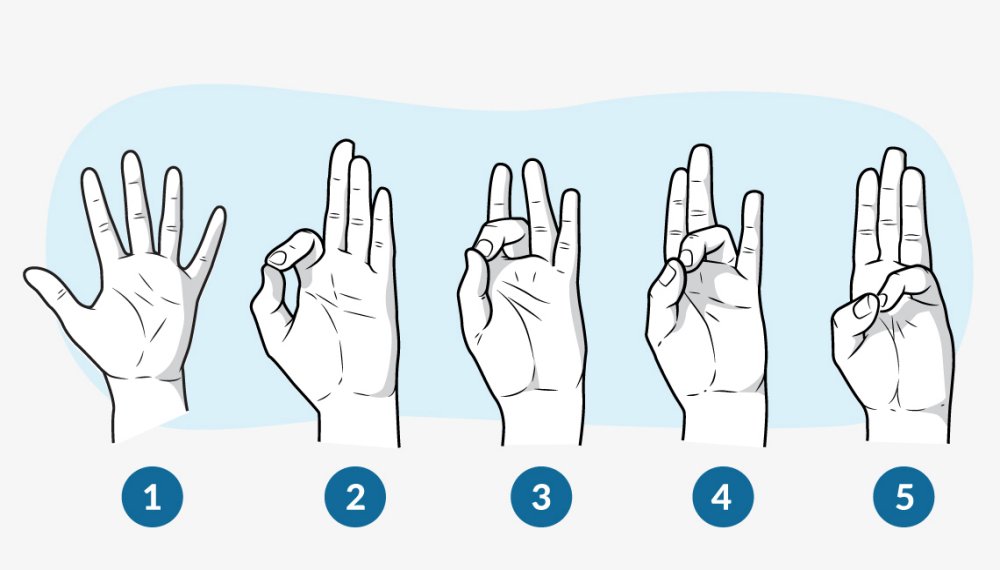
Step 1: Hold your hand in front of your face, palm facing you, fingers straight.

Steps 2–5: One at a time, touch each finger (index, middle, ring, pinkie) to your thumb to form a series of OK signs.

an illustration of a thumb stretch

T.M. DETWILER

Exercise 6: Thumb stretch

Text a lot with your thumbs? If so, this is a great exercise, Jacobs says.

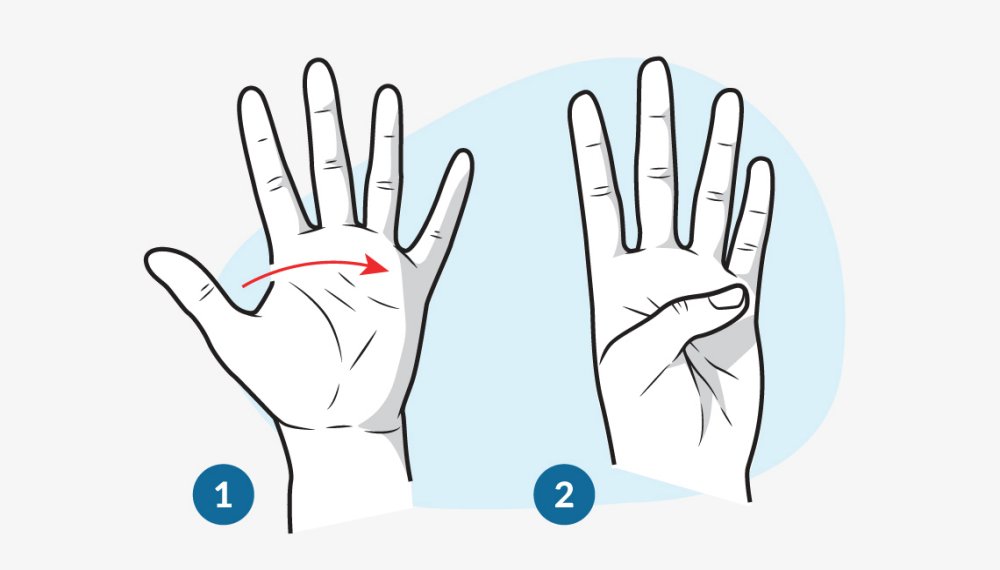
Step 1: Hold your hand in front of your face, palm facing you.

Step 2: Keeping your four fingers still, move your thumb across your palm and try to touch the base of your pinkie finger.

an illustration of a knuckle bend stretch

T.M. DETWILER

Exercise 7: Knuckle bend

“This improves direct flexion and range of motion,” Jacobs says.

Step 1: Hold your hand in front of your face, palm facing you, with fingertips pointing up toward the sky. Keep your fingers straight and close together.

Step 2: Curl your fingertips only toward the top of your palm.

7 Tips to Keep Your Hands Healthy

  1. Buy ergonomic scissors: They require less hand strength than regular scissors.
  2. Use kitchen shears instead of a knife when cooking — shears are easier for cutting food such as chicken.
  3. Avoid hard-to-open pill containers by putting your daily meds in pill boxes.
  4. Switch from pull-top canned groceries to bagged groceries. Trade your hand-held can opener for an electric can opener.
  5. Make a zipper pull. Adding a key ring or a loop of fabric to a zipper makes it easier to grip and reduces strain on thumb and index finger.
  6. Replace large heavy bottles with smaller squeeze bottles for soaps, creams and gels. They are easier to handle and tubes can be pressed with the heel of the hand.
  7. Use a pen with a non-slip grip that is easier to hold to reduce strain on finger joints.

 https://www.aarp.org/health/conditions-treatments/info-2021/exercises-prevent-arthritis.html

Monday, 13 December 2021

'What is the best small car for an urban driver with arthritis?'

From telegraph.co.uk

By Alex Robbins

As the Telegraph's motoring expert, I weigh in on your car dilemmas to save you money and make your driving life easier 

Dear Alex,

I am looking for a small car that is easy to get in and out, as well as to drive and to park, as I’m 78 and have arthritis. I do less than 1,000 miles per year, and I don't do any motorway driving. I would like a three-year-old car as that’s when it will have had most of its depreciation in value. I don’t mind buying new if it is better value. What would be the best for me? 

– JJ

Dear JJ,

It’s become something of an in-joke in this column that the answer to everything is a Honda Jazz; in this case, that would certainly seem to be true. Its high driving position, excellent visibility and solid reputation for reliability would seem to meet all of your criteria. But I think we can do better.

For example, in this case I think a three-year-old Kia Picanto or Hyundai i10 might make more sense for you. These cars are very similar under the skin, as they’re built on the same platform, and with their big, wide-opening doors and raised seating positions both are as easy to climb aboard as the Honda – you won’t have to stoop painfully to get in and out. 

They’re also about the easiest cars out there to drive, and you can opt for an automatic version if you want to make your life even easier (though I should add that these are pretty few and far between). 

Both feel surprisingly upmarket inside, too, with a smart-looking dashboard and plastics that are higher quality than most of its rivals’. What’s more, for its size, there’s a lot of space, and visibility is excellent. 

Of the two, I’d go for the Picanto – it’s a little cheaper than the i10 like-for-like. But its biggest trump card is its warranty – as with all Kias, you get seven years’ worth of cover from new, which means if you’re buying one at three years old, you’ll still get four years of that warranty left – compared with two years on the Hyundai, or none at all on the Jazz.

I should also mention the Smart ForTwo. If you never go on a motorway, it’s very much worth a look; it truly is an urban specialist, with just two seats and a diminutive wheelbase that makes it a doddle to park. It’s so small you can even park it nose-in to the kerb, meaning you can take advantage of odd-sized spaces you just can’t in a bigger car.

It’s smart and funky looking both outside and in, while the clever safety cell means it’ll protect you just as well as a bigger car in a crash. It also means you sit up high, so climbing in and out needn’t be any trouble. And because both ends of the car are so close to you, visibility is excellent, and the turning circle is fabulous.

Of course, the Smart doesn’t give you the same sort of warranty you’ll get with the Kia or the Hyundai, and that’s important because its reliability record isn’t as good, either. Indeed, that’s probably its biggest downside – but if size and manoeuvrability are your top priorities, it’s still worth a look. 

If I were you, though, I’d bag myself a nice little Picanto with a good service history, preferably the 2 model, which gets you a few extra niceties that make life easier. And I’d feel very pleased for having done so. 

https://www.telegraph.co.uk/cars/advice/ask-expert-best-small-car-urban-driver-arthritis/

Sunday, 12 December 2021

How Does Psoriatic Arthritis Affect Your Feet?

From health.clevelandclinic.org

Managing psoriatic arthritis foot pain 

Walking, running, jumping, standing. Despite all they do for you, it’s easy to take your feet for granted. But when foot pain gets in the way of living, there’s no ignoring it.

Unfortunately for people with psoriatic arthritis, foot pain is a common occurrence, says rheumatologist Rochelle Rosian, MD. “Psoriatic arthritis affects the toes and feet in several ways, causing pain, swelling, stiffness and even changes to the appearance of your foot,” she says.

We talked to Dr. Rosian to learn how the disease attacks your feet — and what you can do to put your best foot forward, despite psoriatic arthritis.

What is psoriatic arthritis?

Psoriatic arthritis is an inflammatory disease that causes pain and swelling in the joints. Most people with the disease also have psoriasis, a skin condition that causes red, scaly, inflamed rashes. Both psoriasis and psoriatic arthritis are conditions that occur when your body’s immune system attacks its own tissues.

People dealing with psoriatic arthritis may experience lots of problems below the ankles — including foot pain, heel pain, swelling and toenail changes.

Symptoms of psoriatic arthritis in feet

Psoriatic arthritis often strikes areas where ligaments and tendons connect to bone. With 26 bones and 30 joints in each foot, that’s a lot of possible targets for arthritis.

The disease can cause symptoms in one foot or both feet. In fact, foot symptoms are often among the early signs of psoriatic arthritis. It’s important for your physician to consider treatments that allow you to continue the activities you enjoy.

Foot-related symptoms include:

  • Dactylitis: Also known as “sausage digits,” dactylitis is severe inflammation of an entire toe (or finger), giving it a sausage-like appearance. Most types of arthritis cause swelling. But sausage digits are particularly common in people with psoriatic arthritis.
  • Heel pain: You might experience inflammation of the Achilles tendon, which connects your heel bone to your calf muscle. Known as Achilles tendinitis, this can cause significant pain in the heel.
  • Bottom-of-the-foot pain: A ligament called the plantar fascia stretches from your heel to your toes. Psoriatic arthritis can inflame and irritate this ligament — a condition known as plantar fasciitis. That inflammation can cause pain from your heel all along the sole of your foot.
  • Spur formation: Because the inflammation occurs where the ligaments and tendons attach to bone, this can lead to spur formation — or in some cases, wearing away of the bone, called erosion. These spurs may cause stiffness or fuse your joints and lead to deformity and loss of mobility.
  • Nail changes: Most people with psoriatic arthritis have pits or dents on the surface of their nails, including their toenails. Sometimes, the nails become thickened or the nail bed separates from the skin below.
  • Other symptoms: It’s also possible to have pain in your joints that connect to your foot (metatarsophalangeal joints, often called MTP joints), swelling at the ball of your feet, hammer toes and an enlargement of the MTP joint in your big toe.

How to treat psoriatic arthritis foot pain

It’s tough to do the things you want to do when your feet are stiff and painful. Dr. Rosian recommends these strategies to help kick foot pain to the curb.


Go hot and cold

Some people find that warm towels, heat packs and hot baths help ease joint pain and swelling. For others, using ice packs can dial down inflammation for cool relief. “Try both hot and cold therapy to see which works best for your symptoms,” Dr. Rosian says.

Exercise

Exercise might be the last thing you want to do when your feet are aching, but regular, gentle exercises can help relieve stiffness and improve the range of motion in your feet. Low-impact activities like walking and swimming are good options. Consider asking for a referral to a physical therapist or foot doctor.

Pamper your tootsies

High heels are not your friends. Opt for comfortable shoes that support your feet and ankles. You might benefit from custom orthotics, as well. These shoe inserts are tailor-made for your feet. They work like shock absorbers to take pressure off of your feet.

Manage your weight

Your feet are responsible for supporting your whole body any time you stand or walk. Maintaining a healthy weight can take some of the stress off these hard-working joints.

Follow your treatment plan

Perhaps the most important thing you can do is talk to your doctor about how foot pain is limiting you. Your healthcare provider will help you find the right medications to control joint pain associated with psoriatic arthritis.

“Foot pain is often an unfortunate reality for people who have psoriatic arthritis, but it doesn’t have to overwhelm you,” says Dr. Rosian. “We have a variety of different medications to treat pain and swelling and prevent permanent joint damage in your feet.”


https://health.clevelandclinic.org/how-does-psoriatic-arthritis-affect-your-feet/

Friday, 10 December 2021

Tips for Treating Your Arthritis Without Medication

From dailybayonet.com

Life takes turns that we may not be all too happy about. We may develop health conditions that can disable us and prevent us from enjoying life as we knew it. These conditions may be physical or mental and can require medical treatments to cope with the pain and ailments. If you’re invested in your health, you may not want to remediate your struggles with medications; instead, you may want to try natural remedies prior to jumping into medications. Natural remedies are quite common and could be the best thing for you right now.

Here are a few natural remedies to treat your arthritis without medication.

Use gaming mouse pads with your computer.

If you work a desk job or enjoy gaming on your PC, you can treat your pain by preventing it with the right equipment. You can use ergonomics to your advantage to prevent pain and manage it in your wrists by using a gaming mouse pad. The best gaming pads will be made of cloth or hard material like glass. Cloth pads will add friction to your game or mouse stroke while hard ones are good for smooth glides. This will help you have the right amount of friction on your mouse and a smooth movement for your wrists. Good pads can help relieve arthritis pain in your wrists, forearms, and shoulders.

Be aware of dangerous drugs.

If you’re considering moving to natural remedies from medications, it’s always a good idea to look into drugs that can irreversibly harm you. One of these drugs is Xeljanz, which has made headlines due to the number of patients who have developed cancer, blood clots, and wrongful death after taking the medication. 

Use hot and cold therapies.

Moreover, you can use hot and cold therapies to help relieve the pain that comes with arthritis. These treatments can include warm showers and baths, heating pads, and heating blankets. Heat is a natural remedy to soothe the pain in your joints and muscles. Additionally, you can use cold treatments like gel ice packs, ice wrapped in a towel, or even a bag of frozen vegetables to relieve pain in your joints. Cold can help lower swelling and inflammation so you can continue living your day-to-day life.

Manage your weight and diet.

Another thing you can do to help treat your arthritis is to manage your weight and diet. Lowering your weight will reduce the stress and inflammation in your joints and muscles, thus reducing your pain and discomfort throughout the day. You can start out by drinking enough water each day and changing dietary habits to include more proteins, vegetables, and all the rich nutrients that come with them to boost your immune system. You can even include natural supplements like turmeric in your diet, which has natural anti-inflammatory capacities.

Get a massage.

Lastly, you can get a massage to soothe your body aches. Massages not only help relax your mind but can also help soothe the pain caused by arthritis. You can get a massage gun to give yourself massages on your own schedule. You can ask your doctor or physical therapist for effective techniques for massages that can help relieve the pain caused by arthritis. They can give you tips and tricks on how to best apply these massages to specific areas of your body to relieve your pain. 

Try these natural treatment options to soothe your arthritis without medicines, and stay aware of any dangers of medications out there.

https://dailybayonet.com/tips-for-treating-your-arthritis-without-medication/ 

Saturday, 4 December 2021

What is osteoarthritis and why is it so hard to diagnose?

From cosmosmagazine.com

By Wren Greene

Osteoarthritis can be largely asymptomatic until it’s too late

When I was 28 years old, I was diagnosed with advanced stage osteoarthritis in my knee. I had injured it playing soccer as a teenager but, after surgery, it felt fine for years. The pain was hardly noticeable at first, just a little tenderness after a run or a long hike. But within a year or two, my knee was swelling up just from standing too long.

And I’m not alone. According to the Arthritis Foundation, about one in two people are affected by osteoarthritis at some point in life.

What has always surprised me – and what started me down the road to researching joint lubrication and arthritis – was how rapidly my condition progressed and how few treatment options were available.

How does osteoarthritis develop?

For all intents and purposes, osteoarthritis is the end result of a complete breakdown of cartilage’s natural lubrication system, which ameliorates friction and protects surfaces from damage. Although cartilage uses a number of different easing processes, one of the most important is known as ‘weeping’ or ‘biphasic’ lubrication.

The structure of cartilage is rather like a water-swollen sponge made up of a dense collection of collagen micro-fibres (known as ‘fibrils’) linked into one continuous network. This three-dimensional net of fibres forms pores so small that the fluid inside cannot easily flow between them. 

Every time you take a step, cartilages on opposing bones press together. The fluid trapped in the collagen fibre network becomes pressurised.

In healthy cartilage, the fluid pressure can equal as much as 99% of the pressure pushing the surfaces together, so supports 99% of the weight. The collagen fibril network, therefore, only ‘feels’ 1% of the weight. In other words, the trapped fluid takes the burden off the tissue surface and so prevents damage.

Osteoarthritis is a disease of wear of the collagen fibril network  – but not all types of wear are the same. Most people are familiar with abrasive wear – the sort of damage done to wood when it’s rubbed with sandpaper. This is the kind of wear associated with a related disease known as gout, the main symptoms of which – pain and inflammation – are caused by the precipitation of crystals in the joint fluid, and become obvious early on.

The kind of wear associated with osteoarthritis is different and less obvious. It has the characteristics of fatigue wear, a process in which repeated compression and shear of a material produces tiny defects below the surface. In cartilage, these take the form of breakages in the links between collagen fibres and result in small ‘holes’ in the interconnected network. 

Why is osteoarthritis challenging to diagnose?

When these defects are few in number, there is no obvious change in the cartilage’s properties, and the damage cannot be assessed non-invasively by a doctor. Stiffness, thickness, density and how rapidly water diffuses inside cartilage are not affected by just a few breakages. Think of a fishing net: cutting a small number of links is not going to alter its strength, nor significantly change its ability to catch fish.

But these tiny anomalies concentrate stresses in the collagen fibre network every time it’s compressed, and this gradually creates more defects in the material. Eventually, as the damage accumulates, the breakages start to merge into larger tears – a process scientists call ‘percolation.’

At this point, the now-large defects begin to radically change the properties of the tissue. The cartilage softens, its surface roughens and cracks, and most importantly, the collagen fibre network no longer retains water – just like a badly torn net can no longer trap any fish.

Since the water in the tissues flows more easily, the pressure in the fluid drops significantly when you take a step and cartilage is compressed. The reduced fluid pressure shifts more of the burden onto the compromised collagen network.  So instead of supporting 99% of the weight, the fluid might only support 50% – or nearly none at all in severely damaged tissue – which in turn accelerates the rate of wear.

Mri of a knee with osteoarthritis
A coronal section MRI of a patient suffering osteoarthritis of the right knee. When the articular cartilage of the femur and tibia wear away, the bones begin to rub together. This bone-on-bone contact results in pain, impaired mobility or joint deformity. In this image, the cartilage of the joint on the medial side (right side of image) has worn away, damaging the ends of the femur and tibia.    Credit: Evan Oto

In essence, cartilage’s main mechanism for lubrication and wear protection no longer functions effectively. Equally unfortunate is that it is typically at this point that an osteoarthritis sufferer will begin noticing pain and swelling in their joints, and treatment options are limited because the damage is already too severe.

Fortunately, there is hope. Scientists are beginning to identify chemical (rather than physical) markers that seem correlated to the early stages of osteoarthritis. These biomarkers – elevated or reduced levels of specific molecules – found in the blood or urine, create characteristic patterns much like a chemical fingerprint that can identify different stages of osteoarthritis progression. Although not available to doctors yet, biomarker-based early screening trials are showing promise.

I can’t help but wonder how early detection of my arthritis might have improved my quality of life, not just today but years from now. How, if I had started a program of disease management and lifestyle and exercise changes, I might have kept the wear in my knee in check. Hopefully, the development of new diagnostic tools may one day help prevent the unnecessary suffering of millions.

https://cosmosmagazine.com/science/biology/what-is-osteoarthritis/ 

Thursday, 2 December 2021

Oral bacteria and arthritis

From panaynews.net

By 
Dr. Joseph D. Lim 

THERE MAY be a link between rheumatoid arthritis and gum disease.

Both may be associated to the microbiome or community of microbes in the mouth and intestines.

That is the conclusion of a study conducted at the Academic Centre for Dentistry of Amsterdam (ACTA) in The Netherlands. The study appears in the journal Arthritis & Rheumatology.

The study analysed the microbial populations and gum condition of people with early rheumatoid arthritis, those at risk of developing rheumatoid arthritis and those diagnosed with the disease.

Their conditions were then compared with a control group of people without these conditions.

The new study found that people with the arthritis conditions and those at risk had higher levels in their saliva of two groups of bacteria, Prevotella and veillonella,.

Both groups also had higher levels of Veillonella in the bacterial coating of their tongue.

Prevotella and veillonella may cause inflammation. Their relative abundance suggests a possible link between oral microbes and rheumatoid arthritis.

The findings are significant because it remains uncertain how rheumatoid arthritis develops. It could be that genetic and environmental factors cause the ailment.

Researchers have suspected that unusual levels of certain bacteria in the mucus that lines the mouth and intestines may have something to do with it. When this is observed, gum disease may be observed as well.

Previous studies have found that people with early rheumatoid arthritis, those at risk of developing rheumatoid arthritis and those diagnosed with the disease tend to have higher rates of gum disease. There are also significant changes in the amount of microbes in their mouth and intestine.

Rheumatoid arthritis is a public health issue. About 1.5 million Americans, for example, suffer from the ailment which causes joint pain, swelling and eventually damage.

Researchers continue to look for new ways to diagnose the disease. The earlier the diagnosis and treatment, joint damage and functional loss are prevented.

It has long been suspected that autoimmune diseases such as rheumatoid arthritis are triggered or caused by microorganisms.

Oral microbes – in particular anaerobic bacteria which do not require oxygen – may play a role.

It may be that bacteria may cause an immune response by producing proteins that trigger the formation of antibodies that fight the bacteria.

The detection of the antibodies is now considered an indicator of rheumatoid arthritis when detected in serum, the fluid component of blood.

Indeed, detecting the antibodies may even predict the risk of rheumatoid arthritis years before clinical symptoms appear.

https://www.panaynews.net/oral-bacteria-and-arthritis/

Wednesday, 1 December 2021

Arthritis treatment: The five best ways to treat flare-ups in winter

From express.co.uk

WINTER WEATHER is a nightmare for arthritis and many people say this is the worst time of year for arthritis pain. Here are the five best ways to treat flare-ups in winter

Cold, rainy days can make arthritis much worse, a study led by consultant rheumatologist Professor Will Dixon at the University of Manchester and funded by Versus Arthritis found. The study assessed how weather impacted more than 13,000 people in the UK with long-term health conditions including arthritis and it discovered that “damp and windy days with low atmospheric pressure” increased the chances of experiencing more pain than normal by around 20 percent. Express.co.uk reveals the five best ways to treat winter arthritis flare-ups.

Muscles, bones and tendons get bigger and smaller in response to atmospheric change, but the exact impact weather has on your arthritis depends on a number of things. The Versus Arthritis website explains: “Exactly how and why barometric pressure changes affect the joints is unclear. It could be related to the pressure of the fluid oiling your joints or increased nerve sensitivity.”

Your response to the weather may also depend on the type of arthritis you have.

Professor of occupational rheumatology at the University of Southampton, Karen Walker-Bone pointed out that people with osteoarthritis generally prefer warm and dry weather, while those with rheumatoid arthritis tend to prefer the cooler weather.

It is also thought lower barometric pressure (rainy weather) causes worse pain and higher emotional stress levels for people with fibromyalgia.

If you’re experiencing more flare-ups this winter with whatever arthritis you have, there are plenty of ways to reduce the pain and ward off flare-ups.

Here are the best five tactics to treat your winter arthritis flare-ups.

Vitamin D

Arthritis is a condition that impacts the bones and joints, and both of these are parts that need Vitamin D to stay in top shape.

According to the NHS, sunlight doesn’t contain enough UVB radiation in the winter (between October and early March) for our skin to be able to make vitamin D.

During these months, the NHS recommends getting your vitamin D from food sources including fortified foods and supplements.

                               Arthritis treatment: Make sure you're getting enough Vitamin D 
                                                             (Image: vitamin d supplements)

Good sources of vitamin D include:

  • oily fish – such as salmon, sardines, herring and mackerel
  • red meat
  • liver
  • egg yolks
  • fortified foods – such as some fat spreads and breakfast cereals

Keep warm

If your arthritis is worse when the weather is cold and damp, you need to keep your joints as warm as possible.

The NHS recommends heating your home to at least 18C if you have reduced mobility, are 65 or over or have a health condition such as heart or lung disease.

If you’re worried about bills, Versus Arthritis points out that older people could get help to pay heating bills through the Winter Fuel Payment scheme and you might also be entitled to Cold Weather Payments if you claim other benefits.

Versus Arthritis recommends wearing lots of loose layers of clothing to trap heat and using hand warmers or heated gloves.

You can also reduce the amount of heat you lose through your head by wearing a hat and sticking on some thick socks to keep your feet warm and cushion your soles.

Many slippers, shoes and boots are available with fur linings to help keep your feet warm, but it’s easier to keep your feet warm when the rest of your body is warm.

A warm bath or shower before bed, or using a hot water bottle, microwavable wheat bag or electric blanket could also help to aid mobility and reduce stiffness.

Exercise

Exercise not only keeps you warm, but it can also directly improve your circulation and reduce stiffness.

Keeping active is one of the best ways to boost your mood and energy, increase your strength and flexibility and ease the pain.

                            Arthritis treatment: Stay active, even if you just go on walks 
                                                                                      (Image: Getty)

Versus Arthritis commented: “The weather might put you off doing long outdoor walks but there are many indoor options, like doing a yoga class, trying aerobics or using a treadmill.”

Stay hydrated

Staying hydrated is an important part of avoiding arthritis flare-ups, especially if you have gout.

You still sweat in the winter, even if the weather isn’t warm, so make sure you’re drinking enough water.

Versus Arthritis adds: “Aim to consume less salt – salt makes your body retain extra water while drinking more water can dilute salt levels. “

CBD

Cannabinoid (CBD) oils, balms, sprays and tablets aren’t just good for improved sleep and less anxiety, this stuff could help you to reduce pain associated with arthritis.

CBD is a cannabinoid found in the cannabis plant, it is the most prevalent ingredient in cannabis but doesn’t contain THC and therefore does not cause a ‘high’ and is totally legal.

Although longer-term studies may be needed, there is research that suggests CBD has anti-inflammatory properties which may be beneficial for arthritis.

The symptoms of arthritis - swelling, pain, stiffness and a decrease in the range of motion- are caused by inflammation, meaning that CBD could be a useful alternative to conventional medicine.

One study found a spray containing cannabis extract helped reduce pain in patients suffering from rheumatoid arthritis over a period of five weeks. 

                                 Arthritis treatment: CBD oil, balm and spray could really help 
                                                                                   (Image: Getty)

But how does CBD work? The team at Puresport (which makes CBD capsules, balm and oil) said: “Essentially, cannabinoids (such as CBD) can block certain receptors in our brain which influence inflammation and pain within the body. Plus, CBD interacts with the body’s endocannabinoid system (ECS) which is the system responsible for regulating our pain output.”

https://www.express.co.uk/life-style/health/1528583/arthritis-treatment-treat-flare-up-winter-cold-evg