Monday, 29 December 2025

Why joint pain worsens in cold weather — and what actually helps, expert explains

From msn.com/en-in

Cold weather often makes joint pain worse. Experts explain why winter triggers stiffness and swelling — and share practical tips, from exercise to diet, that actually help.

While winter brings many seasonal delights and festivities, it also brings a familiar, not-so-loved phenomenon: joint pain. Swelling, stiffness and inflammation are common complaints heard around winter. But why does the cold seem to aggravate our joints so noticeably? And what can you realistically do to feel better? We spoke to an expert to figure it out.

According to Mr Jeevan Kasara, Chairman, Steris Healthcare, the explanation is both physiological and environmental. “Cold weather tightens muscles and joints, causes inflammation, and slows blood flow,” he says. “As a result, even basic movement can start to feel difficult.”

The season also quietly chips away at another key factor: sunlight. Days being shorter also plays a big part.

Shorter daylight hours mean less time outdoors, which, in turn, reduces the body’s natural production of Vitamin D, a crucial nutrient for bone strength and joint health. “This deficiency is extremely common during winter, and it directly impacts joint comfort and mobility,” Kasara adds.

Movement is Crucial to Keep Joint Pain at Bay

Physical activity is crucial for maintaining healthier joints. However, that doesn’t necessarily mean heavy workouts.

“People shouldn’t overlook the importance of caring for their bodies and keeping up physical activity,” he says. Simple routines can make a measurable difference.

Gentle exercises, like walking, swimming or home workouts, can do more good than you’d assume them to.

Food That Reduces Inflammation

Kasara recommends including:

  • Oily fish (rich in omega-3 fatty acids)
  • Turmeric
  • Nuts and seeds
  • Seasonal vegetables rich in antioxidants

“These foods can naturally help in pain relief,” he says, noting that people often underestimate how strongly nutrition influences joint comfort.

Healthy Habits to follow in winter

Additionally, people often overlook small lifestyle changes that may be affecting or worsening their joint pain.

Kasara highlighted these habits that can protect joints in cold weather:

  • Dressing warmly to prevent muscles from tightening
  • Stretching before any physical activity
  • Keeping one's indoor environment warm and comfortable

Lastly, worsening joint pain should never be ignored, he advised.

“If the pain continues, a visit to the doctor should be your next step,” he emphasised. Underlying conditions such as arthritis, deficiencies or injuries may require evaluation or a change in treatment.

With these tips, you can deal with and manage your joint pain better. 

https://www.msn.com/en-in/health/health-news/why-joint-pain-worsens-in-cold-weather-and-what-actually-helps-expert-explains/ar-AA1T4Rjh

Saturday, 27 December 2025

3 best exercises to ease knee osteoarthritis pain

From rollingout.com

Doctors reveal how simple aerobic movements can reduce joint pain and improve mobility for millions living with knee osteoarthritis

When knee pain strikes, the last thing most people want to do is move. But new research suggests that getting active might be exactly what aching joints need.

Aerobic exercise can significantly reduce pain, improve movement and enhance quality of life for patients dealing with knee osteoarthritis, according to a study published Oct. 15 in the journal The BMJ. The findings offer hope for the roughly 54 million American adults, or one in five, who live with some form of arthritis.

                                                                                                     Photo credit: shutterstock/Vanatchanan

What’s happening inside arthritic knees

Osteoarthritis stands as the most common type of arthritis affecting people today. Dr. Antonia F. Chen, chair and professor of orthopaedic surgery at the University of Texas Southwestern Medical Center, describes it as the wear and tear of cartilage, which is the protective covering at the end of bones. This deterioration leads to pain, stiffness and decreased joint function.

The condition affects a staggering number of people worldwide. Research estimates that 80% of adults over 55 years old have some degree of arthritis, with 500 million people globally dealing with osteoarthritis specifically.

Several factors contribute to developing osteoarthritis. Injuries, pre-existing joint disease, certain metabolic conditions like obesity or type 2 diabetes, and genetics all play roles in who develops the condition. The knee ranks among the most commonly affected joints, and osteoarthritis has become a leading cause of chronic disability.

While knee osteoarthritis can’t be reversed, managing pain is absolutely possible. The recent study analysed 217 randomized controlled trials involving over 15,000 participants from around the world, examining the impact of seven different exercise types with follow-ups at four, 12 and 24 weeks.

Why aerobic movement makes such a difference

Dr. Lei Yan, the study’s first author and a doctoral student at Johns Hopkins University School of Medicine, found that aerobic exercise consistently showed the greatest benefits across almost all outcomes measured. It reduced pain, improved movement and gait performance, and enhanced overall quality of life more effectively than any other exercise type tested.

Aerobic exercises involve rhythmic and repetitive movements. Walking, jogging, cycling and swimming all fall into this category. These activities help nourish the joints, strengthen supporting muscles and reduce pain, explains Dana Santas, a CNN fitness contributor and certified strength and conditioning specialist who works as a mind-body coach in professional sports.

The key for patients with knee osteoarthritis involves sticking to low or moderate-impact aerobic activity. High-impact exercises should be avoided entirely. Running and plyometrics like jump training put too much stress on already compromised joints, Santas cautions.

Starting slowly and safely

Common exercise recommendations often suggest aiming for 10,000 steps daily or 150 minutes of exercise weekly. But patients just beginning their exercise journey don’t need to hit those targets immediately.

Walking or cycling for just five to 10 minutes a day can help people start receiving benefits and re-strengthening the muscles around their joints, according to Santas. The modest beginning allows the body to adapt without overwhelming already painful joints.

Proper warmup becomes crucial before starting any movement. Santas recommends mobilizing ankles and hips with stretches like ankle circles or simple hip mobility exercises. These preparatory movements help ensure the body is ready for activity.

Being conscious of your body during exercise and pacing yourself appropriately also matters tremendously. People managing knee osteoarthritis should avoid deep squats and twisting their hips. When hips are tight, the movement transfers to the joint above or below, which means the knee bears the brunt, Santas explains.

Regardless of which aerobic exercise someone chooses, they should ensure their knees aren’t being asked to do something they’re not designed to do. Knees function as hinge joints, and forcing them into unnatural movements only creates more problems.

Adding strength training for better results

Low or moderate-impact strength training can also benefit patients with knee osteoarthritis, working similarly to aerobic exercises in supporting joint health.

An accessible exercise to begin with is the single-leg Romanian deadlift, or RDL. This movement can be modified by shifting weight to one leg and coming onto the toes of the opposite leg, ensuring no weight goes on the nonworking leg, Santas describes.

Balance issues are common when starting strength training. Holding onto a wall for support allows people to hinge from their hips to come down and back up safely. Other beneficial exercises include stair stepping and leg extensions.

While both strength training and aerobic exercise improve mobility, consistency determines success. Yan emphasizes that patients don’t need to train intensely, but they do need to keep moving regularly. Sporadic exercise won’t deliver the same benefits as a steady routine.

Other pain management options

Exercise represents just one approach to managing osteoarthritis pain. Additional treatment methods include acupuncture, weight loss, anti-inflammatory supplements and physical therapy, according to Chen.

However, anyone considering new treatments should contact their doctor or medical professional first. What works for one person might not suit another, and medical guidance ensures that chosen treatments won’t interfere with existing conditions or medications.

The research offers encouraging news for millions living with knee osteoarthritis. Simple, low-impact movements performed consistently can make a real difference in pain levels and quality of life. Starting small with just a few minutes of daily activity can set the foundation for long-term joint health and improved mobility.

https://rollingout.com/2025/12/25/knee-osteoarthritis-pain-exercises/

Friday, 26 December 2025

Daily Habits That Help Reduce Inflammation in Rheumatoid Arthritis

From healthcentral.com

These small tweaks to everyday routines have big potential for making disease management easier 

When it comes to rheumatoid arthritis (RA) management, treatment is primo. After all, getting inflammation under control is the best way to ease symptoms and prevent the disease from causing permanent joint damage. But once you’ve got the medical basics down, it’s time to think about lifestyle support. “Lifestyle habits can have a significant impact on inflammation,” says Nina Couette, D.O., a board-certified rheumatologist at The Ohio State University Wexner Medical Center in Colombus, OH. They can also improve your quality of life—allowing you to keep doing the things you love.

Why Daily Habits Matter

                                                       GettyImages/fcafotodigital

“Most patients with RA need medication,” Dr. Couette says. “Typically, lifestyle modifications alone are not sufficient for disease control.” But everyday choices around sleep, stress, diet, and exercise can either amplify or temper inflammation. The extent to which this alters RA’s course is unclear, says Eric Ruderman, M.D., a professor in the division of rheumatology at the Northwestern University Feinberg School of Medicine in Glenview, IL. Still, “there’s a good deal of systemic inflammation involved in RA,” he says. “It makes sense that reducing it in general might help.”

Prioritize Restorative Sleep

“Regular, restorative sleep supports the immune system and reduces stress hormones that can worsen inflammation,” Dr. Couette says. “Poor sleep is also linked with increased pain sensitivity, fatigue, and difficulty coping.” The problem is that sleep can be disrupted by RA pain. To sleep better, work on sleep hygiene: reducing screen time before bed, keeping your bedroom cool and dark, maintaining a consistent bedtime and wake time, and implementing mindfulness meditation. A sleep study can also help ensure nothing else (like sleep apnoea) is to blame, Dr. Ruderman says.

Manage Stress

                                                           GettyImages/mapodile

Stress increases cortisol (the stress hormone) and levels of inflammatory cytokines, Dr. Couette says. It’s also linked to increased pain, says Dr. Ruderman. Implementing simple stress-reduction techniques can go a long way in managing your mental and physical health. Deep breathing exercises, meditation, exercise, or even your favourite hobby can be great ways to feel more relaxed. It’s also helpful, when your RA is flaring, to validate your feelings, and remind yourself that when your situation improves, so will your symptoms, Dr. Ruderman says.

Follow an Anti-Inflammatory Diet

For RA, the American College of Rheumatology (ACR) recommends a Mediterranean-style diet, which emphasizes fruits, vegetables, whole grains, fish, nuts, seeds, and olive oil, and limits ultra-processed and high-sugar foods, and trans and saturated fats. Evidence shows this can support long-term health and reduce cardiovascular risk, says Dr. Couette. How much it directly impacts RA inflammation is still unclear, Dr. Ruderman notes. An active area of research, he adds, explores how diet affects gut bacteria, and how this subsequently affects the disease process.

Move … Gently

                                                     GettyImages/Maksym Belchenko

Many people think they shouldn’t exercise with inflammatory arthritis, but that’s not true, Dr. Ruderman says. “You have to listen to your body, and if something causes pain or you feel miserable after, don’t do it,” he says. “But as a general rule, more physical activity is better.” It helps improve muscle strength for better joint support and to reduce pain, and it improves sleep. In general, exercise helps modulate inflammatory markers, including IL-6 and TNF-α, and supports the immune system. Try a daily walk or small bits of activity throughout the day.

Maintain a Healthy Weight

“Obesity in RA is linked to higher disease activity, worse function, and poorer treatment response and maintaining a healthy weight is strongly recommended,” Dr. Couette says. An increased BMI has also been associated with worse fatigue in RA, says Charis Meng, M.D., a rheumatologist at Hospital for Special Surgery in New York City. Making sure you’re eating a healthy diet, exercising regularly, getting good sleep, and managing stress—together, they can help maintain a healthy body weight.

Learn About Pacing

It’s important to come up with strategies to avoid overdoing it and taxing your joints. “Scheduling appropriate rest, especially if you know your day is packed with activities you know will tire you out, makes a lot of sense,” says Dr. Meng. This may mean making a list of your priorities (and shifting any to-dos to another time or day when you’ll have more energy), planning certain tasks for when you know you’ll feel good enough to do them, and modifying activities with mobility aids and other tools to lessen the strain on joints.

Avoid Inflammation Triggers

Smoking has a negative impact on anyone’s health, but there are some unique ways it hurts people with RA. “There’s a link between smoking and developing RA, and it may interfere with the effectiveness of some of the medications we use,” Dr. Ruderman says. And because alcohol triggers inflammatory molecules and damages the gut lining, he tells people to avoid drinking in excess. When it comes to food, if you notice any foods make your joints feel worse, it’s a good idea to avoid them, Dr. Ruderman says.

Tenets of Healthy Living

                                                      GettyImages/South_agency

These lifestyle habits aren’t unique to people with RA—they’re good for anyone who wants to improve their health, Dr. Ruderman says. If this list seems overwhelming, focus on starting with one or two small changes. Once those are integrated into your routine, add another. Also, remember that inflammation is very individualized; a lot of this comes down to figuring out what helps you. So, keep track as you go, and focus on doing more of what makes your joints happy.

https://www.healthcentral.com/slideshow/daily-habits-that-help-reduce-inflammation-in-ra

Sunday, 21 December 2025

7 Christmas Foods that can Cause Inflammation

From blackdoctor.org

The holiday season is a time for joy, celebration, and—let’s be honest—plenty of indulgent food. From rich desserts to salty appetizers, Christmas meals often feature dishes that can trigger inflammation in the body, especially for people managing conditions like arthritis, diabetes, autoimmune disease, or heart disease.

But you don’t have to give up your favourites entirely. Understanding which foods worsen inflammation and why can help you make smarter choices while still enjoying the holiday cheer. 


Below are the top Christmas foods known to cause inflammation, plus healthier swaps that still feel festive.

1. Sugary Desserts & Holiday Treats

Examples: Christmas cookies, pies, cakes, peppermint bark, fudge, eggnog

Refined sugar spikes blood sugar levels quickly, triggering a rise in inflammatory markers such as cytokines. High-sugar foods also fuel oxidative stress, which further irritates joints and tissues.

Excess sugar increases insulin levels and systemic inflammation.

Many desserts use refined flour + sugar, a double inflammatory combo.

Swap It Out for These:

  • Opt for fruit-forward desserts (baked apples, berry crisps).
  • Use maple syrup or honey instead of white sugar.
  • Try almond flour instead of white flour.

2. Processed Meats on Holiday Platters

Examples: Ham, sausage balls, bacon-wrapped appetizers, salami

Processed meats are high in sodium, nitrates, and saturated fat—all linked to increased inflammation. They also promote the formation of advanced glycation end products (AGEs), harmful compounds that irritate tissues.

Why it causes inflammation:

Nitrates and preservatives disrupt gut bacteria.

High salt increases water retention and joint swelling.

Saturated fat promotes inflammatory responses.

Swap It Out for These:

  • Choose roasted turkey slices instead of cured meats.
  • Try smoked salmon or grilled chicken skewers on appetizer trays.

3. Cheesy, Creamy Casseroles

Examples: Mac and cheese, scalloped potatoes, green bean casserole, cheesy dips

Dairy-based casseroles pack saturated fat and casein, which can trigger inflammation, especially in people who are dairy-sensitive.

Why it causes inflammation:

Saturated fats can raise inflammatory markers (CRP).

Some people react to casein as they would to gluten.

Swap It Out for These:

  • Try cashew-based sauces for creamy dishes.
  • Swap heavy cream for oat or almond milk.

4. Refined Carbs and Breads

Examples: Dinner rolls, stuffing, pie crusts, pastries

White flour breaks down rapidly into sugar, causing the same inflammatory spike as sugary desserts.

Why it causes inflammation:

Refined carbs cause quick blood sugar surges.

They lack fibre, which helps regulate inflammation.

Swap It Out for These:

  • Whole-grain rolls or sourdough.
  • Use whole-wheat or almond-flour pie crusts.

5. Excess Alcohol, Especially Holiday Cocktails

Examples: Spiked cider, rum punch, eggnog with liquor, champagne toasts

Alcohol increases inflammation in the liver and gut and affects sleep—another inflammation trigger.

Why it causes inflammation:

Raises inflammatory markers like CRP.

Increases gut permeability (“leaky gut”), allowing toxins into the bloodstream.

Swap It Out for These:

  • Stick to red wine in moderation (1 glass).
  • Try mocktails with cranberry, lime, and sparkling water.

6. Salty Holiday Snacks and Appetizers

Examples: Cheese boards, chips, pretzels, seasoned nuts, packaged dips

Too much sodium leads to water retention and joint swelling and worsens inflammatory conditions.

Why it causes inflammation:

High salt disrupts immune balance.

Increases the body’s production of pro-inflammatory cells.

Swap It Out for These:

  • Unsalted nuts.
  • Fresh-cut veggies with hummus.
  • Whole-food dips like fresh guacamole.

7. Fried or Breaded Holiday Foods

Examples: Fried turkey, fried appetizers, doughnuts, croquettes

Frying produces inflammatory compounds, including trans fats and AGEs.

Why it causes inflammation:

Cooking oils heated to high temps break down into harmful chemicals.

Fried foods often combine sugar, starch, and fat—a triple threat.

Swap It Out for These:

  • Air-fry instead of deep frying.
  • Roast potatoes or turkey for flavour without inflammation.

How to Enjoy Christmas Without the Inflammation

You don’t need to deprive yourself. Try these simple rules:

Try filling half your plate with anti-inflammatory foods

Leafy greens, roasted vegetables, sweet potatoes, berries, nuts.

Choose two “treats” rather than sampling everything

Pick your favourites and savour them mindfully.

Stay hydrated

Water helps flush out sodium and stabilizes blood sugar.

Try taking a short walk after big meals

A 10–15-minute stroll reduces inflammation and blood-sugar spikes.

https://blackdoctor.org/7-christmas-foods-that-can-cause-inflammation/

Saturday, 20 December 2025

Lesser-Known Remedy For Ankle Arthritis

From miragenews.com

Patient pain-free and mobile again after total ankle replacement by UConn Health's Dr. Lauren Geaney

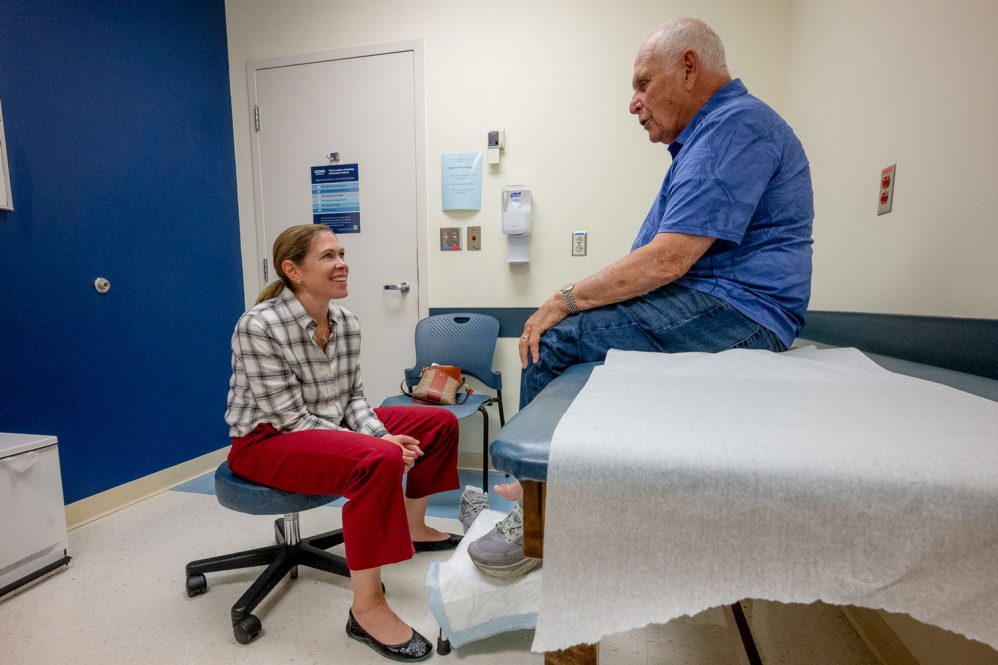
physician and patient talking in exam room

Dr. Lauren Geaney, UConn Health foot and ankle surgeon, sees Joe Marinello for a follow-up appointment six months after performing a total ankle replacement on his right foot. (Tina Encarnacion/ UConn Health photo)

A somewhat uncommon procedure is proving to be an effective solution for problems associated with ankle arthritis.

When pain becomes persistent and mobility becomes limited, an ankle fusion will address the pain. But some patients are candidates for an ankle replacement, which comes with added benefits.

"It allows patients to maintain their range of motion, and gait is better with the ankle replacement," says Dr. Lauren Geaney, UConn Health foot and ankle surgeon. "But a lot of people aren't aware total ankle replacement exists as a really great option to help pain and restore function in patients suffering from ankle arthritis."

At this time last year, Joe Marinello, of Wethersfield, was struggling with pain in his right ankle that had progressed to the point where he had a bad limp and was using a cane.

"I had pain most of the time when I moved, so my mobility was very limited, and I just didn't do a lot of things," Marinello says. "I took a lot of ibuprofen and whatever to deal with the pain, and a lot of the pressure of doing things, like shopping and doing other stuff, was put on my wife."

Marinello, 86, says the problem went back to a bad day on the baseball field in 1961, when he was playing third base for Marietta (Ohio) College.

"I slid into home and my bottom spike caught home plate, flipped me over," he says. "I busted my ankle, and actually the foot was 90 degrees and the tibia bone was on top."

He says a doctor at a bone clinic in Parkersburg, West Virgina, reset the bones in his foot without surgery.

"He had to set it at a certain angle so that everything stayed together," Marinello says. "It was a little crooked at first, but through therapy, the muscles straightened out. I broke it in May, and went into the service in September. And instead of me doing all the marching, I had to do the running, but then I went to the infirmary, and by February I was playing baseball for the squadron."

Being an athlete his whole life, it took until about 10 years ago for the decades of running to finally take their toll. He started seeing Geaney, who started him on cortisone shots. They would provide about three months of relief, but as the years went by, they lost their effectiveness.

"Ankle arthritis is much less common than hip and knee arthritis, and ankle replacement is a newer procedure," Geaney says. "The technology and our knowledge of ankle replacements even in the last 10 years since I've been in practice has grown exponentially. When I first started, I was doing about one a year, primarily because we didn't know as much about who did well. Now I'm doing about one a month or so."

Initially concerned about downtime and recovery, Marinello came around on the idea of ankle replacement surgery.

For the first 11 days after the surgery on March 20, his foot was in a splint and he was under doctor's orders to not put any weight on it. He went back to get the stitches removed and graduated to a walking boot with limited weight bearing.

"I could put it down, but I had to put pressure around my walker, I had to stay with the walker," Marinello says. "Then on April 28, she looked at it, and said, 'Put your shoe on.'

"I have had no pain since she did the surgery. I had swelling from the surgery, but I had no pain. It was incredible."

"I think he had an excellent outcome," Geaney says. "This is a great surgery to restore patients to low-impact activity like walking, hiking, biking, or swimming."

That is, after staying off the repaired foot for a few weeks, followed by rehabilitation. Geaney says it can take up to a year for full recovery.

Marinello's course of physical and occupational therapy lasted four months, at which point he reported, "The only thing she doesn't want me to do is run, and I haven't run in years, and she doesn't want me to climb a ladder. Other than that, I get my boat, I go fishing, I shop with my wife now, I help her, I carry stuff. I'm living pretty much a normal life based on my age. But to this day, I can't believe I'm walking with no pain. I'm mobile. I walk straight. There's no limp and there's no pain."

And he developed quite a fondness for his surgeon.

"To me she walks on water, because she's got me walking with no pain," Marinello says. "I talk to her like I'm talking to a friend. She's so personable and down to earth, it's incredible."

https://www.miragenews.com/lesser-known-remedy-for-ankle-arthritis-1593981/


Thursday, 18 December 2025

Managing Your Aches and Pains in the Winter

From u.osu.edu

Anyone with aches & pains knows that cold weather makes everything hurt a little more, and makes it harder to work and get everything done. According to Professor Robert H Shmerling, MD, at the Harvard Medical School, weather may or may not have an impact on your arthritis pain, but there may be “a connection between weather and joint symptoms… researchers have been unable to figure out just what matters most about the weather and arthritis symptoms or why there should be a connection”. 

While you cannot control the weather, you can control how to react to it, and how to manage your health, wellness and productivity.

If you will be working outside in cold weather:

  • Wear layers of clothing, keep an extra pair of gloves with you (in case one pair gets wet)
  • Wear a hat that covers your head and ears, and use the hood on your coat or sweatshirt to keep out drafts
  • Take short, frequent breaks to warm up, and don’t overexert – yourself, energy is required to keep muscles warm
  • If you are working in remote areas, try to work with someone else, and carry your cell phone in case you need to call for help

The Arthritis Foundation of Washington reports “a lack of physical activity will cause joints to become stiff. Exercise eases arthritis pain. It increases strength and flexibility, reduces joint pain, and helps combat fatigue”.

Stay active and healthy over the winter:

  • Include stretching, strengthening and endurance activities in your daily routine
  • Plan your day to alternate between difficult and easier tasks, do the most strenuous tasks early, when you have the most energy
  •  Sit when possible to minimize stress on your joints
  •  Be mindful of proper techniques for lifting, carrying, bending and reaching overhead
  • Use labour saving devices when possible
  • Transport items by cart rather than carrying them

Tuesday, 16 December 2025

Why Arthritis Is Fast Emerging As A Disease Of The Young In India

From news18.com

Once seen as an age-related condition, arthritis is now affecting young Indians. Experts explain the lifestyle, obesity, and nutrition factors driving early-onset arthritis

For decades, arthritis was widely perceived as an inevitable part of ageing, something that crept in with advancing years, bringing along joint pain, stiffness, and reduced mobility. But that perception is rapidly changing in India. Doctors across the country are now seeing a worrying rise in arthritis cases among people in their 20s, 30s, and 40s, signalling a significant shift in the nation’s disease burden.

Dr Ashraf Khan, Consultant Orthopaedic and Joint Replacement Surgeon, Ruby Hall Clinic, Wanowrie, believes this trend is closely tied to how modern lifestyles have evolved. “Arthritis has long been associated with older adults, but today, we are diagnosing it in individuals as young as their 20s and 30s. This is an ominous change," he says.

One of the biggest contributors is a sedentary way of life. Long hours spent sitting at desks, excessive screen time, and minimal physical activity weaken the muscles that are meant to support the joints. When muscles fail to absorb everyday stress, the burden shifts directly onto the joints. Over time, even routine activities such as walking, climbing stairs, or standing for long periods accelerate joint wear and inflammation, paving the way for early-onset arthritis.

Dr Vijay Shetty, Director, Orthopaedic and Joint Replacement, Dr L H Hiranandani Hospital, Powai, echoes this concern, noting that he has seen a marked rise in young patients aged 25–45 presenting with early arthritis, particularly in the knees and hips. “Prolonged sitting, reduced activity, and poor muscle conditioning overload the cartilage and hasten degeneration," he explains.


Compounding the problem is India’s growing obesity epidemic among young adults. Excess body weight places disproportionate stress on weight-bearing joints such as the knees and hips. Dr Khan points out that even modest weight gain can significantly accelerate cartilage damage. Diets rich in processed foods, refined sugars, and unhealthy fats further worsen the issue by increasing low-grade inflammation throughout the body, which in turn aggravates joint degeneration.

Dr Shetty adds that obesity often overlaps with metabolic syndrome, intensifying chronic inflammation and speeding up cartilage breakdown. At the same time, he highlights another modern paradox: while many young people are inactive, others are engaging in high-intensity fitness routines without proper conditioning or technique. “Untreated ligament injuries, meniscal tears, and cartilage damage from sports or workouts can accelerate post-traumatic arthritis in young adults," he says.

Nutritional deficiencies are another silent driver. Both specialists underline the widespread lack of vitamin D, calcium, and protein among young Indians, largely due to indoor lifestyles and limited sun exposure. These nutrients are vital for bone strength, muscle function, and cartilage repair. Deficiencies weaken the musculoskeletal system, making joints more vulnerable to early degeneration and pain.

Beyond lifestyle and nutrition, other factors are also at play. Dr Shetty notes that genetic predisposition, autoimmune conditions like early-onset rheumatoid arthritis, smoking, and even post-COVID complications are contributing to the rise. “Post-COVID, we are seeing a sharp increase in avascular necrosis of the hip, which often progresses to hip arthritis at a young age," he explains.

The consequences of arthritis in younger adults extend far beyond physical discomfort. Dr Khan warns that early arthritis can lead to reduced mobility, chronic pain, emotional stress, and long-term dependence on medication significantly affecting productivity and quality of life during the most active years. In severe cases, it may even result in joint replacement surgeries much earlier than previously seen.

Despite the growing concern, both experts stress that arthritis in the young is largely preventable. Early identification, timely medical consultation for persistent joint pain, and proactive lifestyle changes are critical. Strength training to support joints, maintaining a healthy weight, balanced nutrition, ergonomic workspaces, and proper rehabilitation after injuries can all delay or even prevent the progression of the disease.

“Arthritis in the young is no longer rare," Dr Shetty concludes, “but with awareness, early diagnosis, and lifestyle modification, it is a trend we can still reverse."

As India grapples with changing lifestyles and health habits, arthritis has clearly ceased to be just a disease of old age. Preventive care today may be the key to protecting joint health for decades to come.

https://www.news18.com/lifestyle/health-and-fitness/why-arthritis-is-fast-emerging-as-a-disease-of-the-young-in-india-9771216.html